A Natural Solution for California's Herds: African Catfish Peptides

California's cattle producers and agricultural communities are all too familiar with the rising challenge of antibiotic resistance, making common bacterial infections harder to treat in livestock. But imagine a future where we could tackle these infections with a natural, powerful alternative. Our research points to just that: antimicrobial peptides (AMPs) found in African catfish.

We're really excited about these peptides because African catfish thrive in pathogen-rich freshwater, naturally producing these robust immune compounds in their skin mucus as a defense. This natural origin makes them highly appealing alternatives to synthetic drugs.

Predicted Safety and Potent Action

One of the most compelling aspects of these AMPs is their predicted safety for mammals. Our initial computer analyses suggest that various catfish AMPs are generally recognized as safe (GRAS). We predict they'll be absorbed in the human intestine without causing liver, brain, or heart toxicity. Furthermore, lab tests on a promising peptide, NACAP-II, confirmed it was non-hemolytic, meaning it didn't damage rabbit red blood cells—a strong indicator of its potential safety for mammalian cells.

Beyond safety, these peptides demonstrate effectiveness against problematic bacteria. One study revealed NACAP-II's strong activity against Extended-Spectrum Beta-Lactamase (ESBL)-producing Escherichia coli—a critical concern for both animal and human health due to its resistance to many common antibiotics. Another peptide, ACAP-IV, also showed antibacterial activity against E. coli and Staphylococcus aureus. We believe these AMPs work by directly disrupting bacterial cell membranes, a mechanism that makes it harder for bacteria to develop resistance compared to how they resist traditional antibiotics.
Primary Image
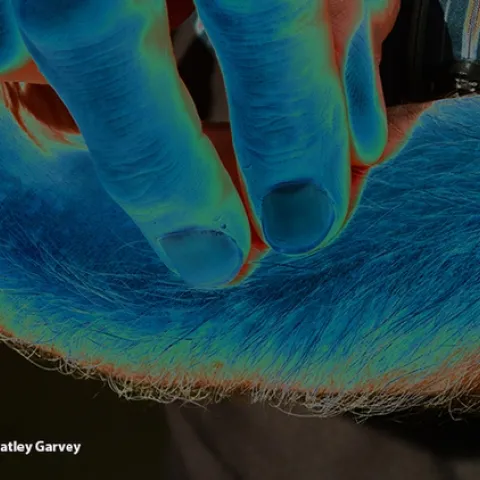
Approximately 50 million Americans (20 percent of the population) suffer from chronic pain, according to the Centers for Disease Control and Prevention. (Photo by Kathy Keatley Garvey)
Bug Squad: Article

Good News About Chronic Pain Relief That Began with Caterpillar Research

January 30, 2024
By Kathy Keatley Garvey
Good news! EicOsis Human Health LLC, the Davis-based pharmaceutical company developing a non-narcotic drug to relieve chronic pain and inflammation, today announced the next step in its ongoing human clinical trials: the initiation of Phase 1b to test the safety of its drug candidate, EC5026.
View Article
Primary Image
Assorted foods -- vegetables, milk, breads, cheese, eggs, ham, salmon -- on a table.
Food Blog: Article

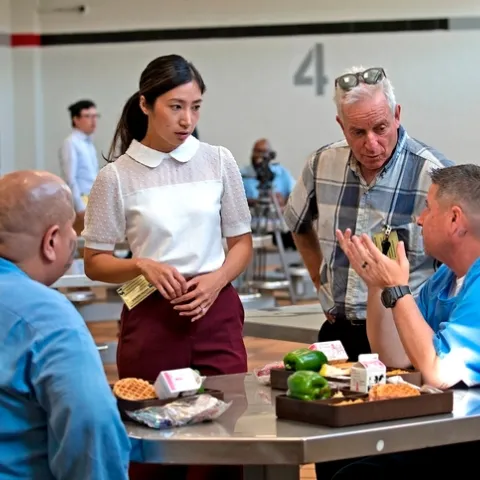
Food waste, nutrition in prison focus of webinars Feb. 22, 29

January 30, 2024
By Pamela S Kan-Rice
Free webinars about food waste and nutrition in correctional systems will be presented by the University of California Agriculture and Natural Resources. The UC ANR Sustainable Food Systems Emerging Issues Webinar Serieswill first cover food waste on Feb. 22.
View Article
Primary Image
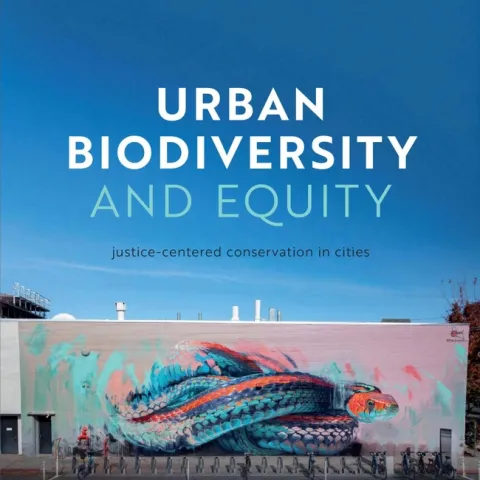
Urban Biodiversity and Equity book cover
ANR Employee News: Article

Schell, Lambert explore justice-centered conservation in cities in new book

January 30, 2024
By Pamela S Kan-Rice
A new book edited by UC Berkeley Rausser College researchers centers equity and justice while delving into the complex elements that support or constrain biodiversity in cities. For centuries, cities and urban environments have reshaped biodiversity across the globe.
View Article
Primary Image
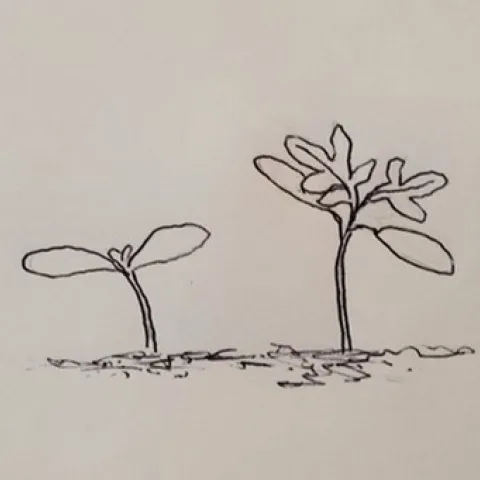
Drawing of a cotyledon
HOrT COCO-UC Master Gardener Program of Contra Costa: Article

Indoor Seed Starting

January 30, 2024
By Help Desk Team
Many of us have seed catalogs arriving in the mail this month, so now is the time to start thinking about your summer garden. We are publishing this article again because starting plants from seed is a great way to lower costs and increase the variety in your vegetable garden.
View Article
Primary Image
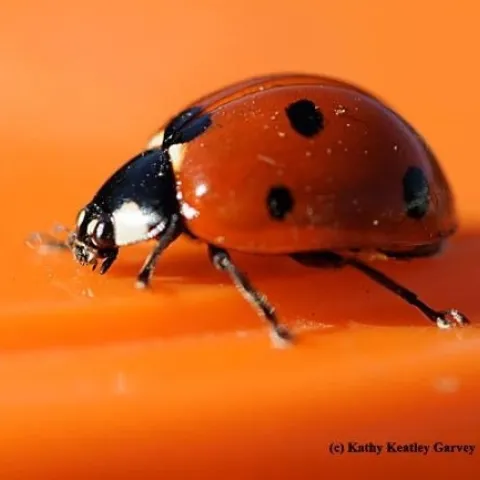
A portrait of a lady beetle, aka ladybug. (Photo by Kathy Keatley Garvey)
Bug Squad: Article

The Ladybug: Luck Be a Lady?

January 29, 2024
By Kathy Keatley Garvey
It's not often that entomology and football mesh. But that was the case when San Francisco 49'ers wide receiver Brandon Aiyuk credited his spectacular 51-yard catch in Sunday's NFC championship game with the Detroit Lions to a ladybug landing on his shoe before the game.
View Article