A Natural Solution for California's Herds: African Catfish Peptides

California's cattle producers and agricultural communities are all too familiar with the rising challenge of antibiotic resistance, making common bacterial infections harder to treat in livestock. But imagine a future where we could tackle these infections with a natural, powerful alternative. Our research points to just that: antimicrobial peptides (AMPs) found in African catfish.

We're really excited about these peptides because African catfish thrive in pathogen-rich freshwater, naturally producing these robust immune compounds in their skin mucus as a defense. This natural origin makes them highly appealing alternatives to synthetic drugs.

Predicted Safety and Potent Action

One of the most compelling aspects of these AMPs is their predicted safety for mammals. Our initial computer analyses suggest that various catfish AMPs are generally recognized as safe (GRAS). We predict they'll be absorbed in the human intestine without causing liver, brain, or heart toxicity. Furthermore, lab tests on a promising peptide, NACAP-II, confirmed it was non-hemolytic, meaning it didn't damage rabbit red blood cells—a strong indicator of its potential safety for mammalian cells.

Beyond safety, these peptides demonstrate effectiveness against problematic bacteria. One study revealed NACAP-II's strong activity against Extended-Spectrum Beta-Lactamase (ESBL)-producing Escherichia coli—a critical concern for both animal and human health due to its resistance to many common antibiotics. Another peptide, ACAP-IV, also showed antibacterial activity against E. coli and Staphylococcus aureus. We believe these AMPs work by directly disrupting bacterial cell membranes, a mechanism that makes it harder for bacteria to develop resistance compared to how they resist traditional antibiotics.
Primary Image
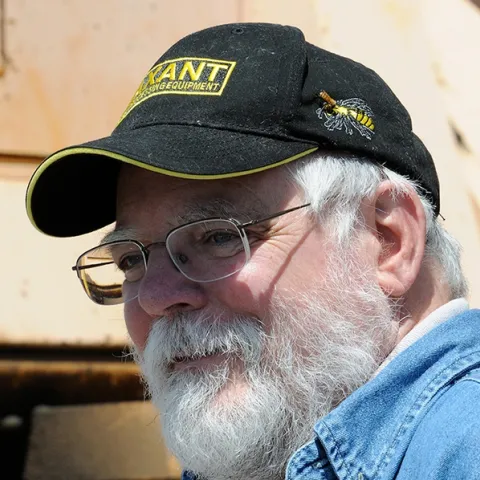
This image of Kim Flottum, taken May 20, 2010 at UC Davis, shows a live bee next to his bee pin. (Photo by Kathy Keatley Garvey)

Kim Flottum: Friend of Beekeepers and Bees

December 11, 2023
By Kathy Keatley Garvey
We are saddened to hear of the death of Peter "Kim" Flottum, longtime editor of Bee Culture magazine, a friend of the nation's beekeepers and bee scientists, and a close friend of the UC Davis bee community. A resident of Medina, Ohio, Kim died Sunday, Dec. 10 at his home of lung cancer at age 76.
View Article
Primary Image
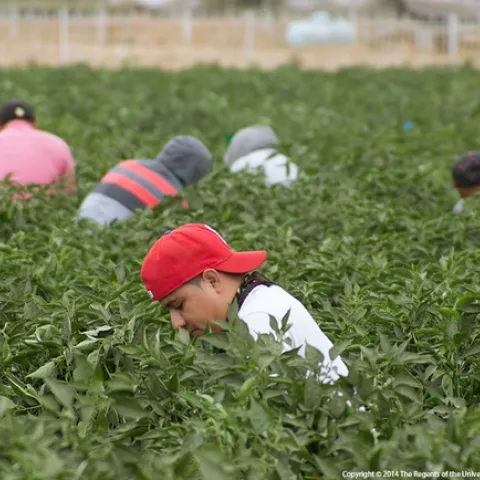
five people crouch among dense jalapeno pepper bushes to harvest the chili peppers.
ANR News Releases: Article

Did California’s ag overtime law help farmworkers?

December 11, 2023
By Pamela S Kan-Rice
Proponents of California's agricultural overtime law, AB 1066, have called it a victory for farmworkers, while critics have asserted that it will harm the very people it was designed to protect.
View Article
Primary Image
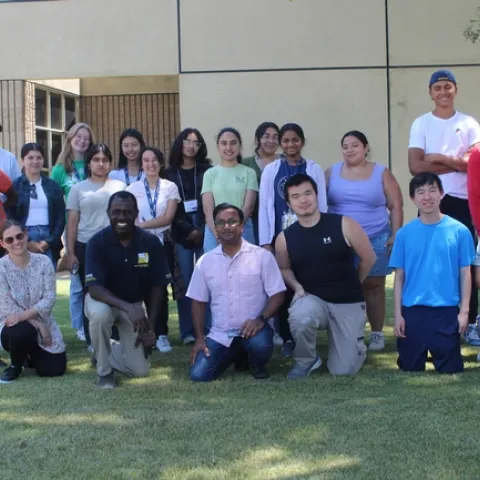
A Group photo of FACTS students and Kearney Ag REC researchers/staff
UC Delivers: Article

UC REC Collaboration Increases Student Awareness of Agricultural STEM Research and Practice Opportunities

December 11, 2023
By Brady E Holder, Peter A Larbi, Jackie Atim
Social media summary Upon touring field research sites, listening to talks, and engaging in hands-on activities at the Kearney Agricultural Research and Extension Center, 100% of undergraduate students reported learning more about agricultural STEM research areas, which could steer them towards care...
View Article
Primary Image
UCCE logo
SJC and Delta Field Crops: Article

2024 SJC and Delta Field Crops Meeting

December 11, 2023
By Michelle M Leinfelder-Miles
UC Cooperative Extension will host the SJC and Delta Field Crops Meeting on Friday, January 12, 2024 from 8:00am to 12:00pm. The meeting location is the Cabral Agricultural Center in Stockton (2101 E. Earhart Ave., Stockton, CA 95206).
View Article
Primary Image
QFF
Topics in Subtropics: Article

Notes from a Neighbor - Grower

December 11, 2023
By Ben A Faber
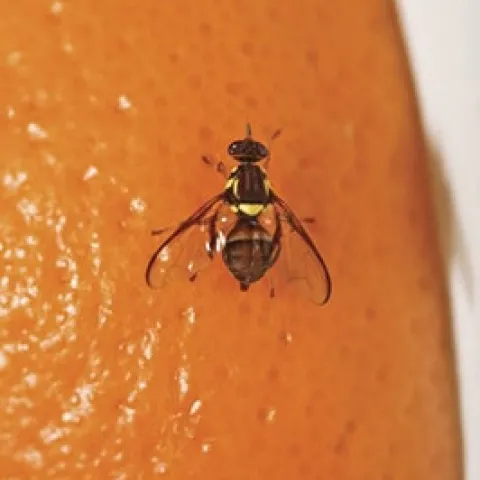
This is a recent opinion piece in the Ventura Star, Santa Paula Times and Thousand Oaks Acorn by grower Lisa Tate: OPINION (https://www.vcstar.com/opinion/) Letters to the editor: Be an Ag hero with fruit flies Ventura County Star Keep your fruit in your backyard Re: your Oct.
View Article
Primary Image
myah davidson
Thriving Forward: Article

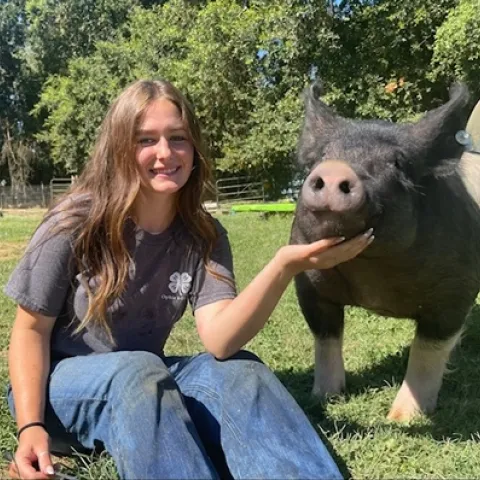
Meet 4-H Club President Myah

December 11, 2023
By Matthew R Rodriguez
Recently I [Matt] had a chance to interview 4-H youth member Myah who is also this year's 4-H club president for Ophir in Placer County. The following are Myah's responses to my questions.
View Article
Primary Image
photos by Erin Mahaney
Under the Solano Sun: Article

Working for Peanuts

December 11, 2023
As I prepared my raised vegetable beds for fall by removing tired plants, I hesitated at one plant. It looked a bit like a short vine I had planted elsewhere that had not thrived.
View Article
Primary Image
Johnsongrass identified growing near agricultural land using Google Street View. The yellow boxes were designated by artificial intelligence; the red boxes were drawn by human hand. (Mohsen Mesgaran/UC Davis)
UC Weed Science (weed control, management, ecology, and minutia): Article

Mesgaran creates new tool: Google Weed View

December 10, 2023
By Gale Perez
To manage johnsongrass, a noxious weed that crowds out cotton and sickens horses, farmers have tried herbicides, burning and hand-pulling.
View Article