A Natural Solution for California's Herds: African Catfish Peptides

California's cattle producers and agricultural communities are all too familiar with the rising challenge of antibiotic resistance, making common bacterial infections harder to treat in livestock. But imagine a future where we could tackle these infections with a natural, powerful alternative. Our research points to just that: antimicrobial peptides (AMPs) found in African catfish.

We're really excited about these peptides because African catfish thrive in pathogen-rich freshwater, naturally producing these robust immune compounds in their skin mucus as a defense. This natural origin makes them highly appealing alternatives to synthetic drugs.

Predicted Safety and Potent Action

One of the most compelling aspects of these AMPs is their predicted safety for mammals. Our initial computer analyses suggest that various catfish AMPs are generally recognized as safe (GRAS). We predict they'll be absorbed in the human intestine without causing liver, brain, or heart toxicity. Furthermore, lab tests on a promising peptide, NACAP-II, confirmed it was non-hemolytic, meaning it didn't damage rabbit red blood cells—a strong indicator of its potential safety for mammalian cells.

Beyond safety, these peptides demonstrate effectiveness against problematic bacteria. One study revealed NACAP-II's strong activity against Extended-Spectrum Beta-Lactamase (ESBL)-producing Escherichia coli—a critical concern for both animal and human health due to its resistance to many common antibiotics. Another peptide, ACAP-IV, also showed antibacterial activity against E. coli and Staphylococcus aureus. We believe these AMPs work by directly disrupting bacterial cell membranes, a mechanism that makes it harder for bacteria to develop resistance compared to how they resist traditional antibiotics.
Primary Image
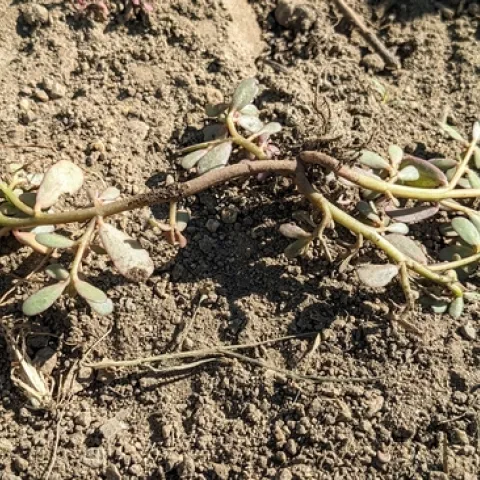
An upside-down purslane plant on the ground.
The Backyard Gardener: Article

Advanced Hoeing?

July 5, 2023
By Dustin W Blakey
I control most of my garden weeds by hoeing and pulling. This morning I was doing a quick once-over with the hoe before work when I was inspired by the abundance of purslane present in the garden to write a quick post on hoeing.
View Article
Primary Image
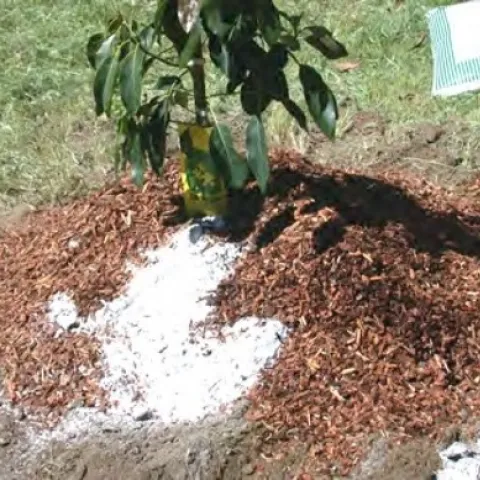
avocado planted
Topics in Subtropics: Article

Planting Avocados

July 5, 2023
By Ben A Faber
It seems like the simplest thing is the hardest. Recently, I was called out to evaluate why newly planted trees were failing at two sites and they both had a common problem. In one case, the trees had been planted too deeply at the beginning.
View Article
Primary Image
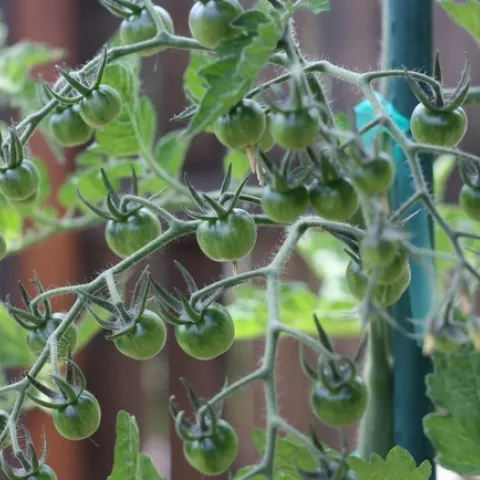
green tomatoes
Under the Solano Sun: Article

The Best Time of Year to Start Tomatoes from Seed in California

July 5, 2023
When is the best time to start tomatoes from seed? This has been an ongoing debate I've had with other gardeners. Debates like this are pretty common, and because so many of them come down to preferences alone there's often no right or wrong about them.
View Article
Primary Image
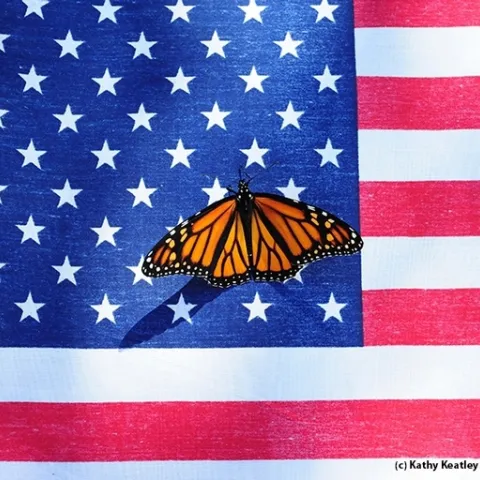
Do monarchs celebrate the Fourth of July? (Photo by Kathy Keatley Garvey)
Bug Squad: Article

Where Are All the Monarchs?

July 4, 2023
By Kathy Keatley Garvey
Where are all the monarchs? Not in our pollinator garden here in Vacaville. Milkweed? Check. Floral resources? Check. Praying mantids? No. (Haven't seen any, but they're out there!) Birds? Yes. (Nesting California scrub jays eat their fill of caterpillars, mainly Gulf Fritillary 'cats.) Shade? Yes.
View Article
Primary Image
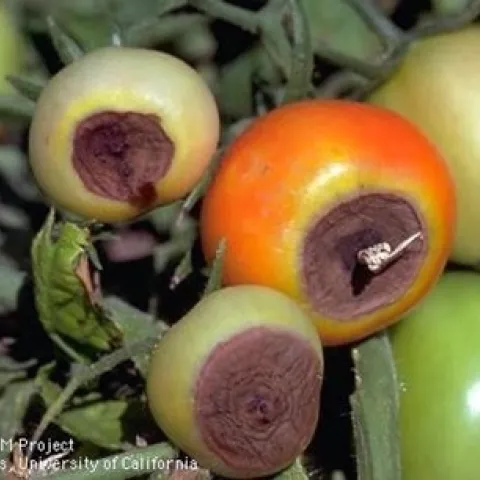
Photo of blossom end rot
HOrT COCO-UC Master Gardener Program of Contra Costa: Article

Blossom End Rot

July 4, 2023
By Help Desk Team
Have you noticed tomatoes that have round, water-soaked spots on the bottom? Blossom end rot (BER) is a frustrating problem that can be quite common in vegetable gardens, as it can affect tomatoes, peppers, and squash. You might notice it after a few very hot days.
View Article
Primary Image
Joanna Chiu in her lab
Bug Squad: Article

Joanna Chiu: From Scholar to Professor to Department Chair

July 3, 2023
By Kathy Keatley Garvey
Scholar, teacher, mentor, researcher, author, collaborator, leader, optimist and administrator. Those are some of the roles of Professor Joanna Chiu, molecular geneticist and physiologist, who advanced from vice chair to chair of the UC Davis Department of Entomology and Nematology on July 1.
View Article
ANR Contracts & Grants Updates: Article

CDFA Healthy Soils Demonstration Program, due August 28, 2023

July 3, 2023
By Kathleen P Nolan
Dear Colleagues, The California Department of Food and Agriculture Healthy Soils Demonstration Program is soliciting proposals to increase statewide implementation of conservation management practices that improve soil health, sequester carbon and reduce atmospheric greenhouse gases.
View Article
Primary Image
Doctoral student Ching-Jung Lin is the recipient of a two-year, $32,000 Ministry of Education Taiwan Government Scholarship to Study Abroad (GSSA). (Photo by Pallavi Shakya)
Entomology & Nematology News: Article

Doctoral Student Ching-Jung Lin Recipient of Taiwanese Government Scholarship

July 3, 2023
By Kathy Keatley Garvey
Doctoral student Ching-Jung Lin of the laboratory of nematologist Shahid Siddique, associate professor, UC Davis Department of Entomology and Nematology, is the recipient of a two-year, $32,000 Ministry of Education Taiwan Government Scholarship to Study Abroad (GSSA).
View Article
Kern County: Article

Kern UCCE/DWR Weekly Crop Water Use Report 07-03-2023

July 3, 2023
Please see below link to access "How To Use Weekly Crop Water Use (ET) Reports to Assist Farm Water Management" How to Use Weekly Crop Water Use Report Please see below link to access "Weekly ET Report 07-03-2023" ET Report 07-03-2023 Please see disclaimer link below: University of California Divisi...
View Article