A Natural Solution for California's Herds: African Catfish Peptides

California's cattle producers and agricultural communities are all too familiar with the rising challenge of antibiotic resistance, making common bacterial infections harder to treat in livestock. But imagine a future where we could tackle these infections with a natural, powerful alternative. Our research points to just that: antimicrobial peptides (AMPs) found in African catfish.

We're really excited about these peptides because African catfish thrive in pathogen-rich freshwater, naturally producing these robust immune compounds in their skin mucus as a defense. This natural origin makes them highly appealing alternatives to synthetic drugs.

Predicted Safety and Potent Action

One of the most compelling aspects of these AMPs is their predicted safety for mammals. Our initial computer analyses suggest that various catfish AMPs are generally recognized as safe (GRAS). We predict they'll be absorbed in the human intestine without causing liver, brain, or heart toxicity. Furthermore, lab tests on a promising peptide, NACAP-II, confirmed it was non-hemolytic, meaning it didn't damage rabbit red blood cells—a strong indicator of its potential safety for mammalian cells.

Beyond safety, these peptides demonstrate effectiveness against problematic bacteria. One study revealed NACAP-II's strong activity against Extended-Spectrum Beta-Lactamase (ESBL)-producing Escherichia coli—a critical concern for both animal and human health due to its resistance to many common antibiotics. Another peptide, ACAP-IV, also showed antibacterial activity against E. coli and Staphylococcus aureus. We believe these AMPs work by directly disrupting bacterial cell membranes, a mechanism that makes it harder for bacteria to develop resistance compared to how they resist traditional antibiotics.
Primary Image
Whitney Cranshaw, Colorado State University, Bugwood.org
Pests in the Urban Landscape: Article

Easter Egg Hunt 2023!

April 3, 2023
By Lauren Fordyce
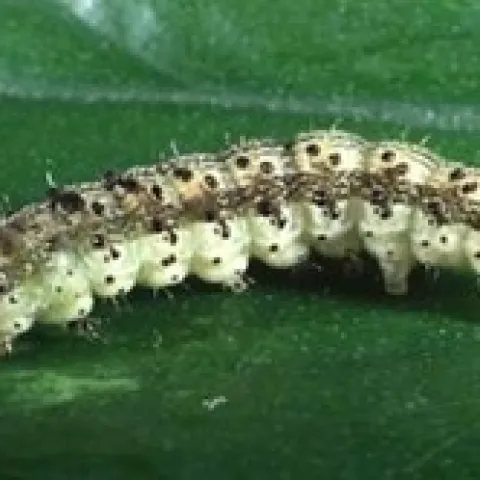
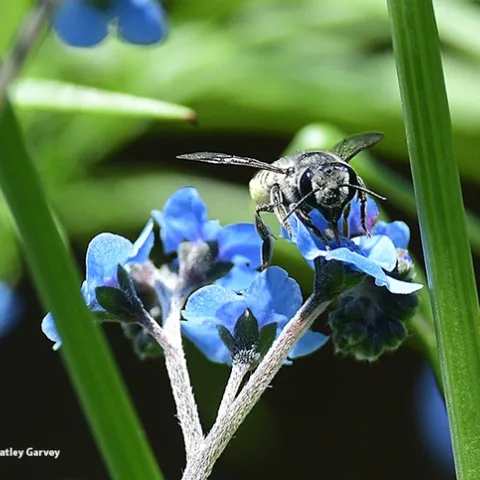
It's time for UC IPM's Easter egg hunt! Can you guess which insects laid the eggs pictured below? Some may be pests, while others may be beneficial! Leave a comment on this blog post with your guesses, or on our Facebook and Instagram posts. Answers will be posted on Friday, April 7th. A. B. C. D.
View Article
Primary Image
Wet newspaper atop the cardboard
Spill the Beans: Article

Lasagna Composting

April 3, 2023
Melody Kendall Climate change issues and water conservation have become very important topics in our area. One of the ways to conserve water in your landscape is to remove your thirsty lawn and replace it with a more water-friendly option.
View Article
Primary Image
April 2023 coastside mag cover
UC Master Gardeners of San Mateo & San Francisco Counties: Article

Summer Tomatoes: What to Do Now for a Successful Season

April 1, 2023
If you want to enjoy your own fresh, homegrown tomatoes this summer, April is the time to get started. Unless you are a hardcore gardener and start your own from seeds, most likely you will be buying young tomato plants (seedlings) from a nursery or plant sale.
View Article
Primary Image
Gerardo-2
You See CE: Article

How To Manage Water Runoff in Your Nursery

April 1, 2023
By Robert A Padilla
  Featured StoryHow To Manage Water Runoff In Your NurseryWritten by: Robert PadillaEdited by: Production Horticulture Advisor, Gerry SpinelliWater runoff is a significant issue for nurseries, especially in regions like San Diego where rains are often short but intense. It can lead to soil…
View Article
Primary Image
Stalked bulbine is an excellent choice for a xeriscape or rock garden.
Fresno Gardening Green: Article

April plant of the month: Stalked bulbine

April 1, 2023
Stalked bulbine (Bulbine frutescens), native to southern Africa, is an undemanding succulent perennial perfectly suited to our hot dry summers. Fleshy onion-like leaves store a great deal of water, making the plant very drought tolerant.
View Article
Primary Image
A honey bee forages on a lacy phacelia (Phacelia tanacetifolia) in the Joseph and Emma Lin Biological Orchard and Garden (BOG) at UC Davis. (Photo by Kathy Keatley Garvey)
Bug Squad: Article

Phacelia! You're Breaking My Heart!

March 31, 2023
By Kathy Keatley Garvey
Cecelia, you're breaking my heart You're shaking my confidence daily... --"Oh, Cecelia" written by Paul Simon of Simon and Garfunkle If you think of the song, "Oh, Cecelia,' every time you pronounce Phacelia (the plant), you're not alone.
View Article