A Natural Solution for California's Herds: African Catfish Peptides

California's cattle producers and agricultural communities are all too familiar with the rising challenge of antibiotic resistance, making common bacterial infections harder to treat in livestock. But imagine a future where we could tackle these infections with a natural, powerful alternative. Our research points to just that: antimicrobial peptides (AMPs) found in African catfish.

We're really excited about these peptides because African catfish thrive in pathogen-rich freshwater, naturally producing these robust immune compounds in their skin mucus as a defense. This natural origin makes them highly appealing alternatives to synthetic drugs.

Predicted Safety and Potent Action

One of the most compelling aspects of these AMPs is their predicted safety for mammals. Our initial computer analyses suggest that various catfish AMPs are generally recognized as safe (GRAS). We predict they'll be absorbed in the human intestine without causing liver, brain, or heart toxicity. Furthermore, lab tests on a promising peptide, NACAP-II, confirmed it was non-hemolytic, meaning it didn't damage rabbit red blood cells—a strong indicator of its potential safety for mammalian cells.

Beyond safety, these peptides demonstrate effectiveness against problematic bacteria. One study revealed NACAP-II's strong activity against Extended-Spectrum Beta-Lactamase (ESBL)-producing Escherichia coli—a critical concern for both animal and human health due to its resistance to many common antibiotics. Another peptide, ACAP-IV, also showed antibacterial activity against E. coli and Staphylococcus aureus. We believe these AMPs work by directly disrupting bacterial cell membranes, a mechanism that makes it harder for bacteria to develop resistance compared to how they resist traditional antibiotics.
Primary Image
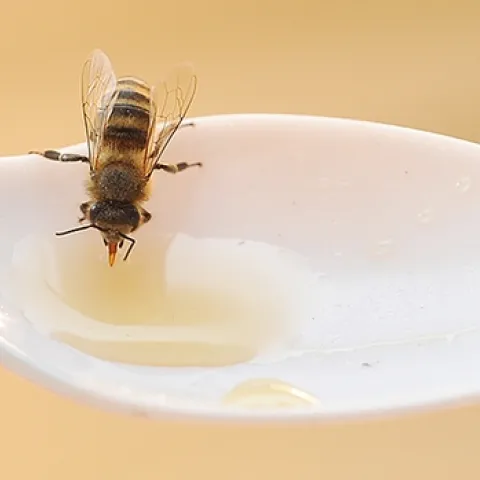
Features of brown marmorated stink bugs. [Credit: Steve Jacobs, PSU]
Pests in the Urban Landscape: Article

Invasive Pest Spotlight: Brown Marmorated Stink Bug

September 26, 2022
By Karey Windbiel-Rojas
The invasive pest spotlight focuses on emerging or potential invasive pests in California. In this issue we are covering the brown marmorated stink bug (BMSB). Brown marmorated stink bug facts BMSB can cause severe crop and garden losses and become a nuisance in and around homes and other buildings.
View Article
Primary Image
A drought-tolerant garden bed of California poppies, Ceanothus, and Watsonia. Photo by Tina Saravia, UC ANR.
Pests in the Urban Landscape: Article

Drought or Disease?

September 26, 2022
By Karey Windbiel-Rojas, Belinda Messenger-Sikes
With ongoing drought and local water restrictions in place in many areas of California, you may start to see landscape plants suffering from stress caused by a lack of water, calledwater stress. Water-stressed plants can have symptoms that resemble diseases caused by plant pathogens.
View Article
Primary Image
IMG 5772 Yu Meng photo calfresh and smart farm
ANR Adventures: Article

Cooler days ahead

September 26, 2022
By Deanne Meyer
We all had the opportunity to enjoy the equinox this last week. This marked the official end of summer and reminded us that cooler days are on their way. Davis had more than 3.5 inches of rain with our first storm of the season.
View Article
Santa Cruz County: Article

Vegetable Judging at San Bento fair

September 26, 2022
Dont miss out on this exciting event!! The San Benito County Fair is hosting a Vegetable Judging Contest similar to the other local Fairs. See the attached flyer. It will be Friday at 5:00 PM on September 30th (sign ups by 2 PM) in the Ag Hort Department.
View Article
Primary Image
Photo by Polly Nelson
UC Master Gardeners- Diggin' it in SLO: Article

Russian Sage

September 26, 2022
Russian Sage By Polly Nelson UCCE Master Gardener Common Name: Russian Sage Scientific name: Perovskia Planting area: Sunset zones 2-24 Size: 3-5 ft tall, 24-ft spread Bloom Season: Summer to fall Exposure: Full sun Pruning needs: Annually to stimulate new growth Water needs: Low, once established S...
View Article
Primary Image
Photo by Phyllis Molnar
UC Master Gardeners- Diggin' it in SLO: Article

Caltrans and Roadside Plants

September 26, 2022
Caltrans And Roadside Plants By Phyllis A Molnar UCCE Master Gardener While driving the roadways in California, have you ever wondered who planted those roadside plants? Why did they choose that shrub or tree?
View Article
Primary Image
Water Hemlock plant
The Backyard Gardener: Article

Water Hemlock: A Poisonous Weed

September 26, 2022
One of my neighbors in West Bishop noticed a pretty, white-flowered plant that had volunteered on the banks of a ditch that ran through the end of her garden.
View Article
Primary Image
Chester McCorkle
ANR Employee News: Article

In memoriam: Chester McCorkle

September 26, 2022
By Pamela S Kan-Rice
Chester O. McCorkle, UC Davis professor emeritus and former senior vice president of the University of California system, UC Davis vice chancellor and dean of the UC Davis College of Agricultural and Environmental Sciences, died in St. Helena on April 20 at age 97.
View Article