A Natural Solution for California's Herds: African Catfish Peptides

California's cattle producers and agricultural communities are all too familiar with the rising challenge of antibiotic resistance, making common bacterial infections harder to treat in livestock. But imagine a future where we could tackle these infections with a natural, powerful alternative. Our research points to just that: antimicrobial peptides (AMPs) found in African catfish.

We're really excited about these peptides because African catfish thrive in pathogen-rich freshwater, naturally producing these robust immune compounds in their skin mucus as a defense. This natural origin makes them highly appealing alternatives to synthetic drugs.

Predicted Safety and Potent Action

One of the most compelling aspects of these AMPs is their predicted safety for mammals. Our initial computer analyses suggest that various catfish AMPs are generally recognized as safe (GRAS). We predict they'll be absorbed in the human intestine without causing liver, brain, or heart toxicity. Furthermore, lab tests on a promising peptide, NACAP-II, confirmed it was non-hemolytic, meaning it didn't damage rabbit red blood cells—a strong indicator of its potential safety for mammalian cells.

Beyond safety, these peptides demonstrate effectiveness against problematic bacteria. One study revealed NACAP-II's strong activity against Extended-Spectrum Beta-Lactamase (ESBL)-producing Escherichia coli—a critical concern for both animal and human health due to its resistance to many common antibiotics. Another peptide, ACAP-IV, also showed antibacterial activity against E. coli and Staphylococcus aureus. We believe these AMPs work by directly disrupting bacterial cell membranes, a mechanism that makes it harder for bacteria to develop resistance compared to how they resist traditional antibiotics.
Primary Image
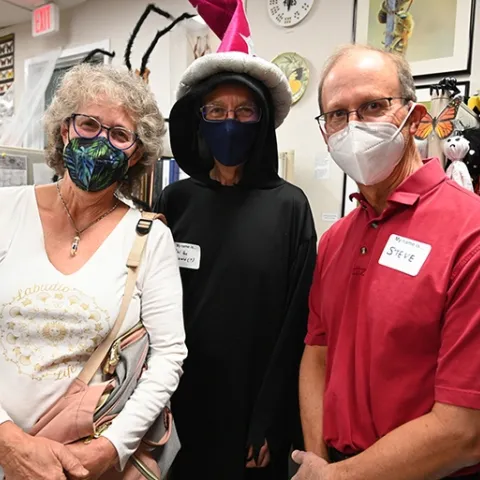
Attendees at field day weed tours
UC Rice Blog: Article

Annual California Rice Field Day

August 19, 2022
By Whitney B Brim-Deforest
The annual Rice Field Day will be Wednesday, August 31, 2022, at the Rice Experiment Station (RES), Biggs, California. We cordially invite you and your associates to join us for this event.
View Article
ANR Contracts & Grants Updates: Article

CALIFORNIA DEPARTMENT OF FOOD AND AGRICULTURE NOW ACCEPTING PROPOSALS FOR 2023 SPECIALTY CROP BLOCK GRANTS AND TECHNICAL REVIEW COMMITTEE

August 18, 2022
By Kathleen P Nolan
Dear Colleagues, From the California Department of Food and Agriculture Today: Espaol SACRAMENTO, August 18, 2022 - The California Department of Food and Agriculture (CDFA) is accepting proposals for the 2023 Specialty Crop Block Grant Program (SCBGP) and the 2023 SCBGP Technical Review Committee (T...
View Article
Nutrition Policy Institute News: Article

New study describes California’s successful hybrid remote and in-person WIC programs during the COVID-19 pandemic

August 18, 2022
By Danielle Lee, Lorrene D Ritchie
New research shows that participants and directors of the Special Supplemental Nutrition Program for Women, Infants, and Children (WIC) across California greatly appreciate the hybrid model of remote and in-person services that have been offered during the COVID-19 pandemic, and recommend permanentl...
View Article
Blog - Forest Research and Outreach : Article

New advisors share crucial wildfire expertise

August 18, 2022
By Susan D Kocher
Reposted from UC ANR News Bringing more expertise to more places across the state, University of California Agriculture and Natural Resources continues to hire fire advisors to help communities prepare for one of the most devastating climate-fueled threats.
View Article