A Natural Solution for California's Herds: African Catfish Peptides

California's cattle producers and agricultural communities are all too familiar with the rising challenge of antibiotic resistance, making common bacterial infections harder to treat in livestock. But imagine a future where we could tackle these infections with a natural, powerful alternative. Our research points to just that: antimicrobial peptides (AMPs) found in African catfish.

We're really excited about these peptides because African catfish thrive in pathogen-rich freshwater, naturally producing these robust immune compounds in their skin mucus as a defense. This natural origin makes them highly appealing alternatives to synthetic drugs.

Predicted Safety and Potent Action

One of the most compelling aspects of these AMPs is their predicted safety for mammals. Our initial computer analyses suggest that various catfish AMPs are generally recognized as safe (GRAS). We predict they'll be absorbed in the human intestine without causing liver, brain, or heart toxicity. Furthermore, lab tests on a promising peptide, NACAP-II, confirmed it was non-hemolytic, meaning it didn't damage rabbit red blood cells—a strong indicator of its potential safety for mammalian cells.

Beyond safety, these peptides demonstrate effectiveness against problematic bacteria. One study revealed NACAP-II's strong activity against Extended-Spectrum Beta-Lactamase (ESBL)-producing Escherichia coli—a critical concern for both animal and human health due to its resistance to many common antibiotics. Another peptide, ACAP-IV, also showed antibacterial activity against E. coli and Staphylococcus aureus. We believe these AMPs work by directly disrupting bacterial cell membranes, a mechanism that makes it harder for bacteria to develop resistance compared to how they resist traditional antibiotics.


Primary Image
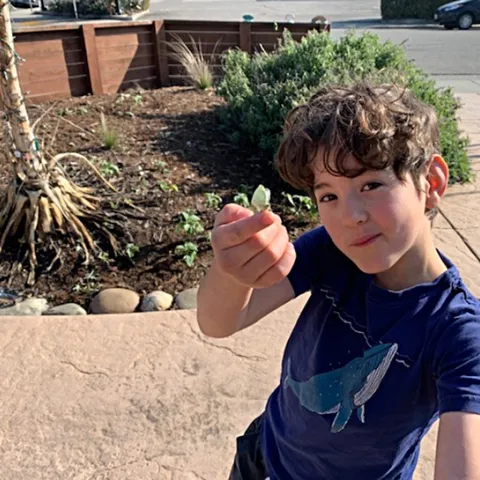
Ready with the stand-up weeder.
Under the Solano Sun: Article

A Back-Saving Gardening Tool

October 27, 2021
Recently, a fellow Master Gardener and I embarked on a mission to weed out a public garden that has not been tended to for many years.
View Article
Primary Image
Christine Melvin's art work, transformed into a banner for the Bohart Museum of Entomology's 75th anniversary, features a hover fly, sphecid wasp, snake fly, bumble bee, aphid, twisted wing parasite and a tardigrade (water bear).

Bohart Museum of Entomology Banner Draws Praise

October 27, 2021
By Kathy Keatley Garvey
A newly created, unveiled banner for the Bohart Museum of Entomology's 75th anniversary drew "oohs" and "aahs" when the Bohart Museum Society hosted a Halloween party last Saturday on the UC Davis campus.
View Article
Primary Image
Together we give. GivingTuesday. November 30, 2021
ANR Employee News: Article

Get ready for Giving Tuesday on Nov. 30

October 27, 2021
By Pamela S Kan-Rice
The countdown has begun...GivingTuesday is just four weeks away. Mark your calendars for November 30. We know how important this giving day is to raising support for your work. To get started, register your participation in ANR's GivingTuesday campaign before Nov. 1 at https://surveys.ucanr.
View Article
Salinas Valley Agriculture: Article

2021 Pest Management Meeting- November 18, 2021

October 27, 2021
By Kelley L Sivertson
2021 Pest Management Meeting Sponsors: UCCE, Monterey; CSUMB; USDA-ARS, Salinas; Monterey County Agricultural Commissioner Thursday, November 18 Spreckels Veteran's Memorial Building 7:50 a.m. to 12:30 p.m.
View Article
UC Cooperative Extension Imperial County: Article

October 2021

October 27, 2021
This is a duplicate newsletter. I was finally able to upload it on the website like I normally do. Everyone received a copy through their email last week.
View Article
Primary Image
1Damage-Alfalfa Leaftier
Alfalfa & Forage News: Article

Alfalfa Leaftier Found for the First Time in Low Desert Alfalfa Fields

October 27, 2021
By Michael D Rethwisch
A new caterpillar pest was found infesting alfalfa fields in Imperial County. It was first observed in mid-September when pest control advisers brought it to our attention (Apurba Barman and Jon Palumbo). This pest has not been previously observed in low desert.
View Article
Primary Image
UCCE logo
SJC and Delta Field Crops: Article

Compost Workshop Rescheduled

October 27, 2021
By Michelle M Leinfelder-Miles
UC Cooperative Extension and UC Davis will host a Healthy Soils Program Workshop on compost. The meeting will take place on Wednesday, November 3rd from 9:00am to 12:30pm. The meeting will take place at Rominger Brothers Farm (28800 Co Rd 29, Winters, CA).
View Article