A Natural Solution for California's Herds: African Catfish Peptides

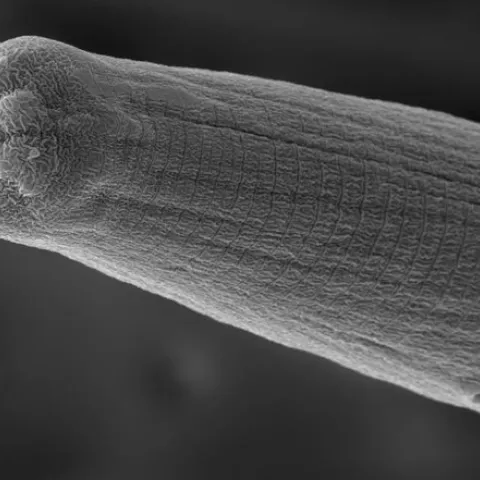
California's cattle producers and agricultural communities are all too familiar with the rising challenge of antibiotic resistance, making common bacterial infections harder to treat in livestock. But imagine a future where we could tackle these infections with a natural, powerful alternative. Our research points to just that: antimicrobial peptides (AMPs) found in African catfish.

We're really excited about these peptides because African catfish thrive in pathogen-rich freshwater, naturally producing these robust immune compounds in their skin mucus as a defense. This natural origin makes them highly appealing alternatives to synthetic drugs.

Predicted Safety and Potent Action

One of the most compelling aspects of these AMPs is their predicted safety for mammals. Our initial computer analyses suggest that various catfish AMPs are generally recognized as safe (GRAS). We predict they'll be absorbed in the human intestine without causing liver, brain, or heart toxicity. Furthermore, lab tests on a promising peptide, NACAP-II, confirmed it was non-hemolytic, meaning it didn't damage rabbit red blood cells—a strong indicator of its potential safety for mammalian cells.

Beyond safety, these peptides demonstrate effectiveness against problematic bacteria. One study revealed NACAP-II's strong activity against Extended-Spectrum Beta-Lactamase (ESBL)-producing Escherichia coli—a critical concern for both animal and human health due to its resistance to many common antibiotics. Another peptide, ACAP-IV, also showed antibacterial activity against E. coli and Staphylococcus aureus. We believe these AMPs work by directly disrupting bacterial cell membranes, a mechanism that makes it harder for bacteria to develop resistance compared to how they resist traditional antibiotics.
Primary Image
An overview of ANR is available in a set of PowerPoint slides.
ANR Employee News: Article

Slides outline ANR history and mission

July 29, 2021
By Pamela S Kan-Rice
PowerPoint slides that give an overview of UC ANR are now available in the ANR communications toolkit. If you are giving a presentation and need some background information about UC ANR, you can select what you need from a set of 14 slides.
View Article
Primary Image
We are hiring
ANR Employee News: Article

Strategic Initiative Brief: Recruit excellent candidates for new positions

July 29, 2021
By Pamela S Kan-Rice
Unify-Communicate-Advocate The UC ANR Strategic Initiatives offer a home for strategic thought - drawing on members of the wider UC ANR community and beyond to 1) help people connect and 2) to help them identify and address issues of current and emerging importance.
View Article
Primary Image
Assorted elm leaf beetles and larvae. (Photo by Kathy Keatley Garvey)
Bug Squad: Article

These Beetles Don't Want to Hold Your Hand

July 29, 2021
By Kathy Keatley Garvey
The Beatles sang "I Want to Hold Your Hand." The elm leaf beetles and their larvae don't want to hold your hand--unless perhaps you're holding a elm leaf that they can eat. A recent walk down the 200 block of Buck Avenue, Vacaville, California, revealed the damage this pest does.
View Article
Primary Image
Photo by Leonard Cicerello
UC Master Gardeners- Diggin' it in SLO: Article

Leucadendron

July 29, 2021
Leucadendron By Leonard Cicerello UCCE Master Gardener Leucadendron galpinii Planting areas: Sunset zones 16,17, 20-24 Size: 6'-8' tall and 4'-6' wide. Bloom season: Early spring through summer. Exposure: Full sun. Pruning needs: Snip a little to maintain compact shape. Water needs: Moderate water.
View Article
Primary Image
Photo by Tami Reece
UC Master Gardeners- Diggin' it in SLO: Article

Savory Jellies

July 29, 2021
Savory Jellies By Dawn Peters UCCE Master Food Preserver Who does not love a peanut butter and grape jelly sandwich or after school toast with strawberry jelly? Now it's time to explore the more exciting, mature side of jelly.
View Article
Primary Image
2021 Gator
UC Rice Blog: Article

Rice Olympics!

July 29, 2021
By Bruce A Linquist
It is that time of year again. Rice is heading and our thoughts are turning to harvest. As we have been doing since 2015, we will be running the UCCE Rice Yield Contest. We continue to learn a lot from this contest which we share with all of you. This week we picked up the prize for the winner.
View Article
Primary Image
Photo by Andrea Peck
UC Master Gardeners- Diggin' it in SLO: Article

Passion Flower

July 29, 2021
Passion Flower By Andrea Peck UCCE Master Gardener Common name of plant: Passion Flower Scientific name: Passiflora spp. Planting area: USDA Zones 7-10 Size: 30+ Feet Bloom Season: Spring-Fall Exposure: Full Sun Pruning Needs: Prune to encourage healthy growth.
View Article