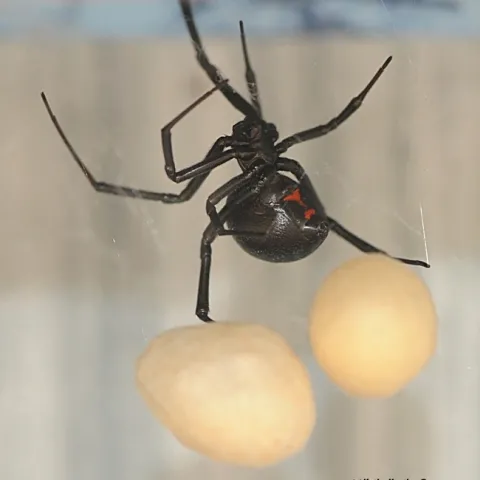
A Natural Solution for California's Herds: African Catfish Peptides

California's cattle producers and agricultural communities are all too familiar with the rising challenge of antibiotic resistance, making common bacterial infections harder to treat in livestock. But imagine a future where we could tackle these infections with a natural, powerful alternative. Our research points to just that: antimicrobial peptides (AMPs) found in African catfish.

We're really excited about these peptides because African catfish thrive in pathogen-rich freshwater, naturally producing these robust immune compounds in their skin mucus as a defense. This natural origin makes them highly appealing alternatives to synthetic drugs.

Predicted Safety and Potent Action

One of the most compelling aspects of these AMPs is their predicted safety for mammals. Our initial computer analyses suggest that various catfish AMPs are generally recognized as safe (GRAS). We predict they'll be absorbed in the human intestine without causing liver, brain, or heart toxicity. Furthermore, lab tests on a promising peptide, NACAP-II, confirmed it was non-hemolytic, meaning it didn't damage rabbit red blood cells—a strong indicator of its potential safety for mammalian cells.

Beyond safety, these peptides demonstrate effectiveness against problematic bacteria. One study revealed NACAP-II's strong activity against Extended-Spectrum Beta-Lactamase (ESBL)-producing Escherichia coli—a critical concern for both animal and human health due to its resistance to many common antibiotics. Another peptide, ACAP-IV, also showed antibacterial activity against E. coli and Staphylococcus aureus. We believe these AMPs work by directly disrupting bacterial cell membranes, a mechanism that makes it harder for bacteria to develop resistance compared to how they resist traditional antibiotics.
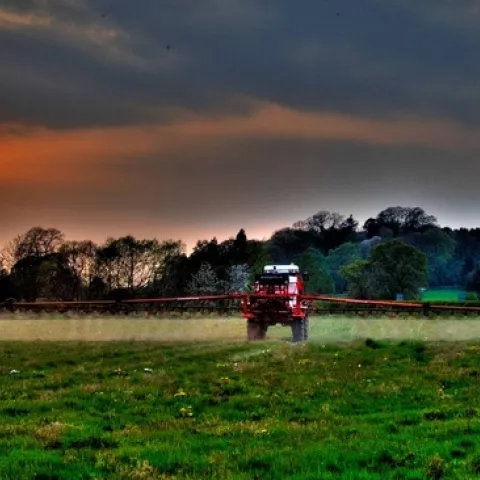
Primary Image
Champions
Healthy Central Sierra: Article

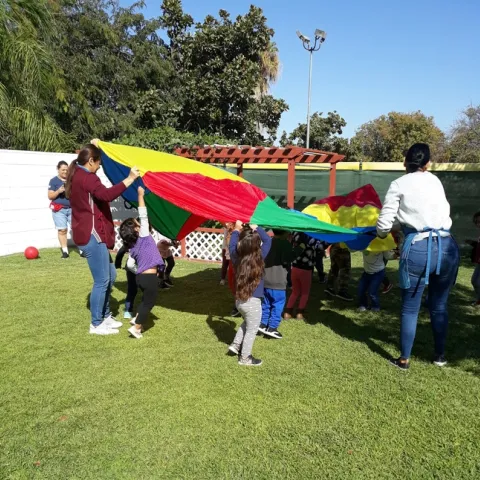
Celebrating Local Farms this Farm to School Month

October 30, 2020
October has been National Farm to School month, and in the Central Sierra we thank all of the many community champions who help to connect students with local foods and agricultural education.
View Article
Primary Image
coffee leaf rust
Topics in Subtropics: Article

Coffee Rust in Hawaii!!!!

October 30, 2020
By Ben A Faber
Coffee Leaf Rust (Hemileia vastatrix) has recently been found in Hawaii. This is a devastating fungal disease that has been found in most coffee growing areas of the world. It arose in Africa and moved to the Americas, now it is completing the circle, showing up in Hawaii.
View Article
Primary Image
Chard and carrots in raised bed, Kim Schwind
The Real Dirt: Article

Recent Workshop series focused on Regeneration and Sustainability

October 30, 2020
Gardening from the Ground Up, a recent three-part Master Gardener Workshop series, focused on gardening practices that use natural methods and systems to create healthy soils and beautiful plants grown in an environment without using chemical pesticides.
View Article
Primary Image
A jumping spider, member of the Salticidae family, perches on a tropical milkweed plant and eyes the photographer. Friend or foe? (Photo by Kathy Keatley Garvey)
Bug Squad: Article

Hi, I'm a Jumping Spider

October 29, 2020
By Kathy Keatley Garvey
Hi, I'm a jumping spider. I see that you found me on the tropical milkweed, Asclepias curassavica. I'm just here for the prey, and you are definitely not prey, so not to worry.
View Article
Primary Image
brent ashurst
DREC: Article

Read with a Beekeeper

October 29, 2020
By Stacey Amparano
Did you miss the live Read with a Farmer event? We now have a pre-recorded session available. Brent Ashurst, a local beekeeper, reads The Beeman by Laurie Krebs. Visit our website to view the recording and the supplemental educator's guide. http://ucanr.
View Article
Primary Image
UCCE Zoom background
ANR Employee News: Article

Zoom backgrounds with ANR and UCCE logos available

October 29, 2020
By Pamela S Kan-Rice
When ANR employees attend meetings via Zoom, now they can use blue backgrounds that feature the UC ANR or UC Cooperative Extension logos. The images serve to remind your associates who you represent as well as mask distracting objects around you.
View Article
Primary Image
Daniel Perry places western drywood termites into the groove of blocks, then seals sides. Some blocks were then treated with wintergreen oil. Photos by Evett Kilmartin
Healthy Communities Blog: Article

Termites can’t hide from heat and essential oils, finds UCCE study

October 29, 2020
By Pamela S Kan-Rice
Termites can eat you out of house and home by chewing through wood and weakening the structure. The results of a new termite study led by entomologists at UC Riverside may enable homeowners to rid their homes of termites with a safer, effective pest control approach.
View Article