A Natural Solution for California's Herds: African Catfish Peptides

California's cattle producers and agricultural communities are all too familiar with the rising challenge of antibiotic resistance, making common bacterial infections harder to treat in livestock. But imagine a future where we could tackle these infections with a natural, powerful alternative. Our research points to just that: antimicrobial peptides (AMPs) found in African catfish.

We're really excited about these peptides because African catfish thrive in pathogen-rich freshwater, naturally producing these robust immune compounds in their skin mucus as a defense. This natural origin makes them highly appealing alternatives to synthetic drugs.

Predicted Safety and Potent Action

One of the most compelling aspects of these AMPs is their predicted safety for mammals. Our initial computer analyses suggest that various catfish AMPs are generally recognized as safe (GRAS). We predict they'll be absorbed in the human intestine without causing liver, brain, or heart toxicity. Furthermore, lab tests on a promising peptide, NACAP-II, confirmed it was non-hemolytic, meaning it didn't damage rabbit red blood cells—a strong indicator of its potential safety for mammalian cells.

Beyond safety, these peptides demonstrate effectiveness against problematic bacteria. One study revealed NACAP-II's strong activity against Extended-Spectrum Beta-Lactamase (ESBL)-producing Escherichia coli—a critical concern for both animal and human health due to its resistance to many common antibiotics. Another peptide, ACAP-IV, also showed antibacterial activity against E. coli and Staphylococcus aureus. We believe these AMPs work by directly disrupting bacterial cell membranes, a mechanism that makes it harder for bacteria to develop resistance compared to how they resist traditional antibiotics.
Primary Image
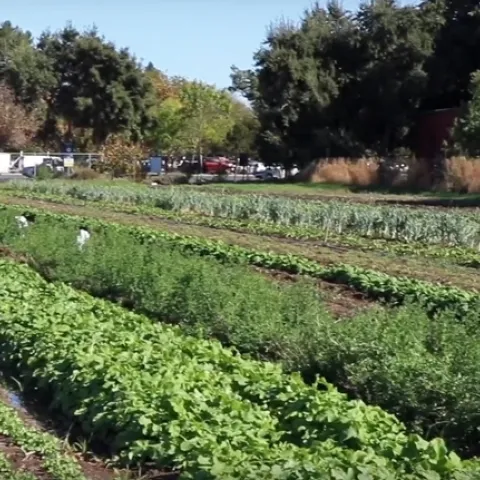
Monterey variety strawberries at Macdoel Oct 29. Photo courtesy Doug Thomas, Crown Nursery
Strawberries and Caneberries: Article

Update on Nursery Chill Oct 29

October 31, 2020
By Mark P Bolda
One can see here from the picture kindly provided by Doug Thomas of Crown Nursery that the cold of late is having an effect.
View Article
Primary Image
A naturalist from the Hopland CCC course holds a willow branch
California Naturalist: Article

Why Do We Need Naturalists?

October 30, 2020
A colleague recently posed a rhetorical question, Why do we need naturalists? It gets to the question, Why is the UC California Naturalist program important?
View Article
Primary Image
Cheryl Wilen, UCCE integrated pest management advisor emeritus
UC Weed Science (weed control, management, ecology, and minutia): Article

Cheryl Wilen honored for "Outstanding Contribution to Agriculture"

October 30, 2020
By Pamela S Kan-Rice
Original source: UC ANR Employee News CAPCA honors Wilen for "Outstanding Contribution to Agriculture" Cheryl Wilen, UCCE integrated pest management advisor emeritus for San Diego, Orange and Los Angeles counties, received the 2020 Outstanding Contribution to Agriculture award by the California Asso...
View Article
Primary Image
These three jack o'lanterns represent a butterfly, bee and dragonfly. They were among Halloween decorations at the Bohart Museum of Entomology's annual Halloween parties. (Photo by Kathy Keatley Garvey)
Bug Squad: Article

Happy (Bee, Butterfly, Dragonfly) Halloween!

October 30, 2020
By Kathy Keatley Garvey
The Bohart Museum of Entomology at the University of California, Davis, won't be the site of a Halloween party this year due to the COVID-19 pandemic precautions. But oh, the memories! "Friends of the Bohart" annually host the fun-filled event.
View Article
Blog - Forest Research and Outreach : Article

New research identifies UCCE disaster management needs

October 30, 2020
By Susan D Kocher
Californians have been dealing with wildfires, the pandemic, power shutdowns, excessive heat and drought, sometimes all at the same time. In every county, UC Cooperative Extension is there to assist community members.
View Article
Primary Image
Nitrogen Management Webinar
Sacramento Valley Field Crops: Article

Nitrogen Management in Small Grains Webinar November 6th

October 30, 2020
Join UCCE's Grain Cropping Systems Specialist, Mark Lundy next week (11 a.m. on November 6th, 2020) for a presentation on nitrogen management in California Small Grains (hosted by the California Wheat Commission and Golden State Grains). Dr.
View Article
Primary Image
From left, UCCE small-farm team members Jesus Ontiveros Barajas, Marianna Castiaux and Jacob Roberson distributed COVID-19 safety kits to small-scale farmers in Fresno County. Photo by Carmen Mendoza
ANR Employee News: Article

New research identifies UCCE disaster management needs

October 30, 2020
By Pamela S Kan-Rice
Californians have been dealing with wildfires, the pandemic, power shutdowns, excessive heat and drought, sometimes all at the same time. In every county, UC Cooperative Extension is there to assist community members.
View Article
Primary Image
Gerry Spinelli

Names in the News

October 30, 2020
By Pamela S Kan-Rice
Spinelli named UCCE horticulture advisor Gerardo Spinelli joined UC Cooperative Extension in San Diego County as a production horticulture advisor on Oct. 12, 2020. He will work with nurseries, floriculture and controlled environment plant production.
View Article
Primary Image
Champions
Healthy Central Sierra: Article

Celebrating Local Farms this Farm to School Month

October 30, 2020
October has been National Farm to School month, and in the Central Sierra we thank all of the many community champions who help to connect students with local foods and agricultural education.
View Article