A Natural Solution for California's Herds: African Catfish Peptides

California's cattle producers and agricultural communities are all too familiar with the rising challenge of antibiotic resistance, making common bacterial infections harder to treat in livestock. But imagine a future where we could tackle these infections with a natural, powerful alternative. Our research points to just that: antimicrobial peptides (AMPs) found in African catfish.

We're really excited about these peptides because African catfish thrive in pathogen-rich freshwater, naturally producing these robust immune compounds in their skin mucus as a defense. This natural origin makes them highly appealing alternatives to synthetic drugs.

Predicted Safety and Potent Action

One of the most compelling aspects of these AMPs is their predicted safety for mammals. Our initial computer analyses suggest that various catfish AMPs are generally recognized as safe (GRAS). We predict they'll be absorbed in the human intestine without causing liver, brain, or heart toxicity. Furthermore, lab tests on a promising peptide, NACAP-II, confirmed it was non-hemolytic, meaning it didn't damage rabbit red blood cells—a strong indicator of its potential safety for mammalian cells.

Beyond safety, these peptides demonstrate effectiveness against problematic bacteria. One study revealed NACAP-II's strong activity against Extended-Spectrum Beta-Lactamase (ESBL)-producing Escherichia coli—a critical concern for both animal and human health due to its resistance to many common antibiotics. Another peptide, ACAP-IV, also showed antibacterial activity against E. coli and Staphylococcus aureus. We believe these AMPs work by directly disrupting bacterial cell membranes, a mechanism that makes it harder for bacteria to develop resistance compared to how they resist traditional antibiotics.

Nutrition Policy Institute News: Article

New Centers for Disease Control and Prevention collaborative study with NPI researchers identifies factors associated with the intake of drinking water among US high school students

April 23, 2020
By Danielle Lee
Researchers at Centers for Disease Control and Prevention, National Center for Chronic Disease Prevention and Health Promotion, partnered with researchers at Harvard TH Chan School of Public Health, Stanford University, and Nutrition Policy Institute's Christina Hecht, investigated factors associate...
View Article
Primary Image
Agricultural entomologist Emily Bick doing field work in Denmark before the lockdown.
Entomology & Nematology News: Article

Emily Bick Receives AAUW American Publishing Grant

April 23, 2020
By Kathy Keatley Garvey
Agricultural entomologist Emily Bick, who received her doctorate in entomology last year from UC Davis and is now a postdoctoral fellow at the University of Copenhagen, is a newly selected recipient of an American Association of University Women (AAUW) American Publishing Grant.
View Article
Primary Image
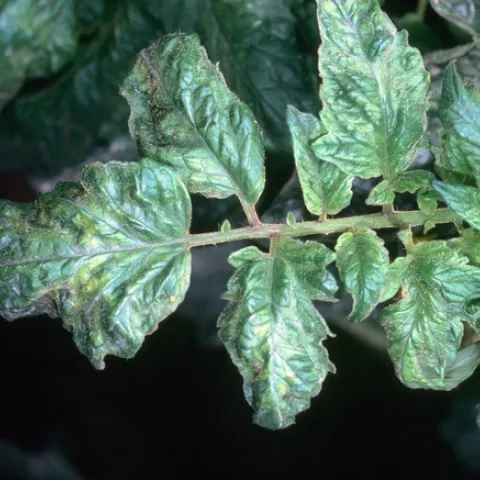
Powdery mildew damage on tomato leaves. (Credit: Jack Kelly Clark)
Pests in the Urban Landscape: Article

April Gardening Tips: Powdery Mildew

April 23, 2020
As you practice social distancing during COVID-19, you may find yourself spending more time in the garden. As we move into nice weather, we are sharing a few gardening tips for pest management. Check for signs of powdery mildew on fruit trees, landscape ornamentals, and vegetables.
View Article
Primary Image
Bags of Trash
News from UC ANR South Coast REC and Beyond: Article

Celebrating Earth Day - Tips for recycling

April 23, 2020
By Tamara J Majcherek
In the spirit of celebrating Earth Day this week, click on the following link for some simple tips on what to do with non-recyclable materials to help minimize the waste in our landfills. https://www.facebook.
View Article
Primary Image
Shannon shares the contents of her naturalist backpack.
California Naturalist: Article

Our Naturalists' Recommendations and Favorite iNaturalist Observations

April 23, 2020
California Naturalists are getting ready to participate in and around their homes for the City Nature Challenge 2020, April 24-27! If you want to participate, find out if your city is on the list this year. They told us using the survey what they are looking forward to seeing in their city.
View Article
Primary Image
People who work on farms wear personal protective equipment to protect themselves from COVID-19, pesticides, dust and other health hazards. People who work on farms wear personal protective equipment to protect themselves from COVID-19, pesticides, dust and other health hazards.
UC Rice Blog: Article

PPE in short supply for farm work during the COVID-19 crisis

April 22, 2020
By Pamela S Kan-Rice
While most Californians are staying home to slow the spread of the novel coronavirus, California farmers, farmworkers and other agricultural professionals are out in the fields and packing houses working to produce food.
View Article
Primary Image
Natures Best Hope
The Coastal Gardener : Article

Good Reads - Nature's Best Hope and Bringing Nature Home

April 22, 2020
By Sherida J Phibbs
Douglas W. Tallamy NATURE'S BEST HOPE: A NEW APPROACH TO CONSERVATION THAT STARTS IN YOUR YARD. Timber Press, 2019 Portland, Oregon 254 pages. Douglas W. Tallamy BRINGING NATURE HOME: HOW YOU CAN SUSTAIN WILDLIFE WITH NATIVE PLANTS Timber Press, 2007 Portland, Oregon 265 pages.
View Article
Primary Image
A Buzz in the Meadow
The Coastal Gardener : Article

Good Reads - A Buzz in the Meadow and A Sting in the Tale

April 22, 2020
By Sherida J Phibbs
Goulson, Dave A STING IN THE TAIL MY ADVENTURES WITH BUMBLE BEES Picador Publishing 2013 New York, NY 256 pages Goulson, Dave A BUZZ IN THE MEADOW, THE NATURAL HISTORY OF A FRENCH FARM Picador Publishing 2014 New York, NY 266 pages With all the buzz about bees and pollinators, I have over the last f...
View Article