A Natural Solution for California's Herds: African Catfish Peptides

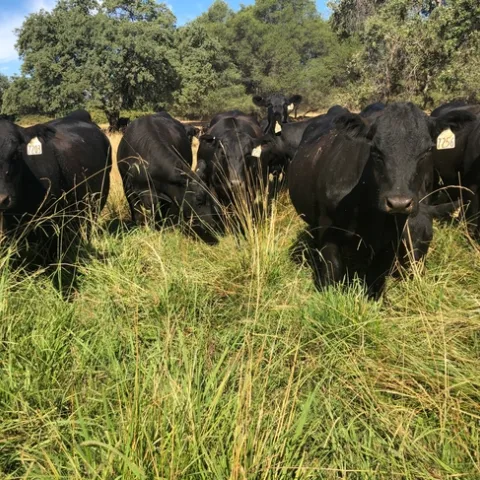
California's cattle producers and agricultural communities are all too familiar with the rising challenge of antibiotic resistance, making common bacterial infections harder to treat in livestock. But imagine a future where we could tackle these infections with a natural, powerful alternative. Our research points to just that: antimicrobial peptides (AMPs) found in African catfish.

We're really excited about these peptides because African catfish thrive in pathogen-rich freshwater, naturally producing these robust immune compounds in their skin mucus as a defense. This natural origin makes them highly appealing alternatives to synthetic drugs.

Predicted Safety and Potent Action

One of the most compelling aspects of these AMPs is their predicted safety for mammals. Our initial computer analyses suggest that various catfish AMPs are generally recognized as safe (GRAS). We predict they'll be absorbed in the human intestine without causing liver, brain, or heart toxicity. Furthermore, lab tests on a promising peptide, NACAP-II, confirmed it was non-hemolytic, meaning it didn't damage rabbit red blood cells—a strong indicator of its potential safety for mammalian cells.

Beyond safety, these peptides demonstrate effectiveness against problematic bacteria. One study revealed NACAP-II's strong activity against Extended-Spectrum Beta-Lactamase (ESBL)-producing Escherichia coli—a critical concern for both animal and human health due to its resistance to many common antibiotics. Another peptide, ACAP-IV, also showed antibacterial activity against E. coli and Staphylococcus aureus. We believe these AMPs work by directly disrupting bacterial cell membranes, a mechanism that makes it harder for bacteria to develop resistance compared to how they resist traditional antibiotics.
Primary Image
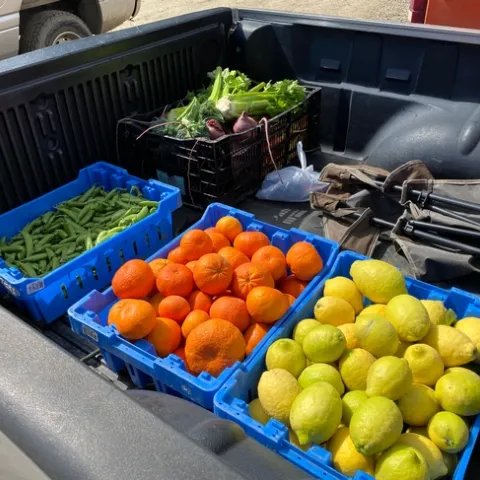
Photo by Carol Michael
UC Master Gardeners- Diggin' it in SLO: Article

Food Safety

April 2, 2020
Food Safety By Carol Michael, UCCE Master Food Preserver We had little rain in February. Drought can increase risk for wildfires. What can I do to keep food safe during planned or unplanned power outages? Debbie V.
View Article
Primary Image
A clothes moth larva with its feeding case attached. (Credit: DH Choe)
Pests in the Urban Landscape: Article

Spring Cleaning for Pest Prevention

April 2, 2020
Spring has arrived and with many Californians at home due to local coronavirus directives, now could be an opportune time for some spring cleaning. This annual ritual also has the benefit of preventing and reducing indoor pests.
View Article
Primary Image
1
California 4-H Grown: Article

Can we count on you to be counted?

April 1, 2020
By Suzanne Morikawa
Every ten years, the United States Census is sent to every resident of our country in order to get an accurate count of our population. This data is utilized for several different purposes, and the California 4-H Civic Engagement Committee wants to remind you of the importance of this effort.
View Article
Primary Image
Ruth Dahlquist-Willard explained COVID-19 precautions taken at farm stands to ABC 30.
ANR News Blog: Article

ANR in the news March 16-31, 2020

April 1, 2020
By Pamela S Kan-Rice
Coronavirus: Valley farmers offering roadside stands with fruits and vegetables (ABC 30) Dale Yurong, March 31 Heulong Siong has already opened his stand across from Clovis Community College. Consumers were urged to follow the recommended safety guidelines due to COVID-19.
View Article
Primary Image
blue palo verde
Under the Solano Sun: Article

Blue Palo Verde-An Adapted Plant

April 1, 2020
Plants that have adapted to the conditions found in a desert-scape are called Xerophytes. They tend to have smaller leaves and many have a waxy surface which helps the plant retain water.
View Article
Primary Image
Stuck at home? Try making a creative container. (photo by Heidi Aufdermaur)
The Stanislaus Sprout: Article

Virtual Gardening Classes Coming Soon!

April 1, 2020
By Anne E Schellman
Our program had a fantastic spring schedule of classes and events planned. Unfortunately, due to COVID-19 concerns, they've been canceled or postponed. Gardeners are innovative people by nature, so we won't let this stop us! We plan on bringing programs to you virtually.
View Article