A Natural Solution for California's Herds: African Catfish Peptides

California's cattle producers and agricultural communities are all too familiar with the rising challenge of antibiotic resistance, making common bacterial infections harder to treat in livestock. But imagine a future where we could tackle these infections with a natural, powerful alternative. Our research points to just that: antimicrobial peptides (AMPs) found in African catfish.

We're really excited about these peptides because African catfish thrive in pathogen-rich freshwater, naturally producing these robust immune compounds in their skin mucus as a defense. This natural origin makes them highly appealing alternatives to synthetic drugs.

Predicted Safety and Potent Action

One of the most compelling aspects of these AMPs is their predicted safety for mammals. Our initial computer analyses suggest that various catfish AMPs are generally recognized as safe (GRAS). We predict they'll be absorbed in the human intestine without causing liver, brain, or heart toxicity. Furthermore, lab tests on a promising peptide, NACAP-II, confirmed it was non-hemolytic, meaning it didn't damage rabbit red blood cells—a strong indicator of its potential safety for mammalian cells.

Beyond safety, these peptides demonstrate effectiveness against problematic bacteria. One study revealed NACAP-II's strong activity against Extended-Spectrum Beta-Lactamase (ESBL)-producing Escherichia coli—a critical concern for both animal and human health due to its resistance to many common antibiotics. Another peptide, ACAP-IV, also showed antibacterial activity against E. coli and Staphylococcus aureus. We believe these AMPs work by directly disrupting bacterial cell membranes, a mechanism that makes it harder for bacteria to develop resistance compared to how they resist traditional antibiotics.
Primary Image
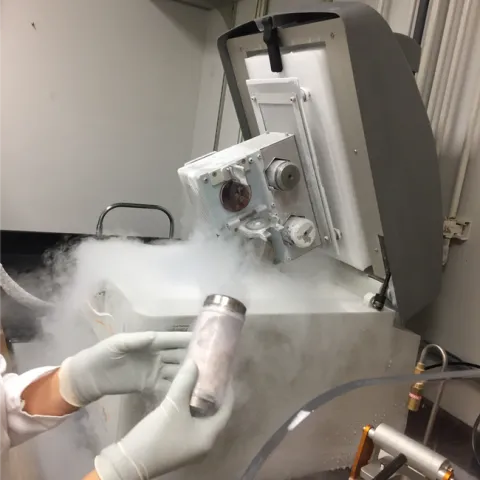
Frozen samples were processed and sequenced by researchers at the Energy Department’s Joint Genome Institute (JGI). (Photo: Peggy Lemaux)
Green Blog: Article

Genomic gymnastics help sorghum plant survive drought

December 2, 2019
By Jeannette Warnert
Scorching temperatures and parched earth are no match for the sorghum plant this cereal crop, native to Africa, will remain green and productive, even under conditions that would render other plants brown, brittle and barren.
View Article
Primary Image
UC alumni regent-designate Debby Stegura met UCCE staff and stakeholders in Sonoma County to learn more about UC ANR serves Californians away from campuses..
ANR Employee News: Article

Regent Stegura 'blown away' by UCCE Sonoma work

December 2, 2019
By Pamela S Kan-Rice
Vice President Glenda Humiston introduced alumni regent-designate Debby Stegura to UC Cooperative Extension staff and their community partners and clientele in Sonoma County on Nov. 15.
View Article
Primary Image
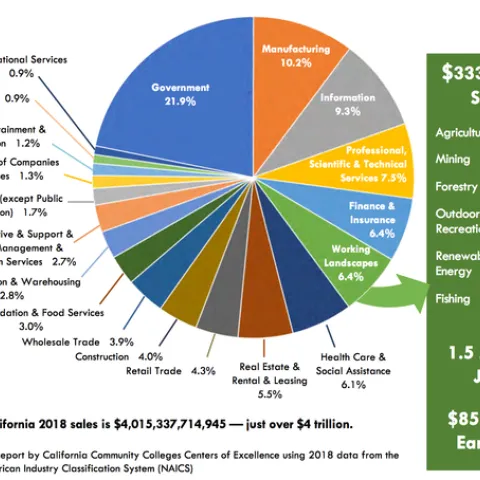
Value of working landscape pie chart
ANR Employee News: Article

New report reveals California’s working landscape is a major economic driver

December 2, 2019
By Pamela S Kan-Rice
California's working landscape and the industries associated with agriculture and natural resources are the sixth largest sector of the state's economy, according to a new study by the California Community Colleges Centers of Excellence for Labor Market Research, California Economic Summit and UC AN...
View Article
Cooperative Extension, Sutter-Yuba Counties: Article

December 2019

December 2, 2019
Snap the Gap Marysville Christmas Parade 4-H Rep Recruitment Online Leader Training & Webinar Record Book Training?
View Article
Colusa County: Article

Wreath Workshop sign ups going on now!

December 2, 2019
Wreath Workshop this Saturday, December 7, 2019 at the Colusa Fairgrounds Community building from 10:00 a.m.-noon. Sign up now online or pay in our office. Deadline is December 5th. See attached for more details.
View Article
Mariposa County: Article

December 2019

December 2, 2019
Here is the December 2019 4-H Spirit newsletter. Read about the upcoming holiday events and more.
View Article
Primary Image
Photo By Polly Nelson
UC Master Gardeners- Diggin' it in SLO: Article

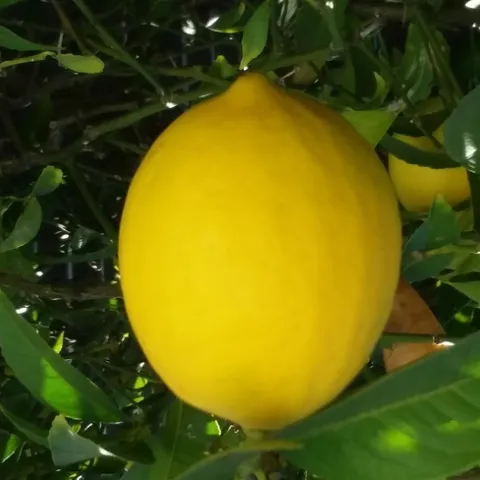
Lemons!

December 2, 2019
Meyer Lemon By Leonard Cicerello UCCE Master Gardener Meyer Lemon Citrus x meyeri Planting area: Sunset zones 8, 9, 12-24. Size: 6' to 12' tall and 6' to 10' wide. Bloom Season: Spring. Exposure: Requires at least six hours of sun per day. Afternoon shade is okay, but not required.
View Article
Primary Image
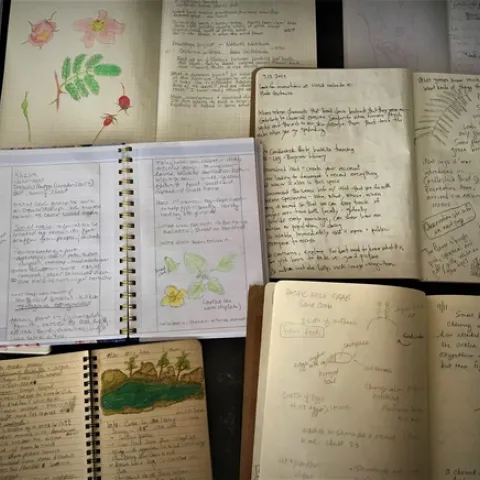
journals
UC Environmental Stewards Blog: Article

Natural History as an Entry Point for Gratitude

December 2, 2019
By Gregory C Ira
Gratitude, like all good things, is cultivated. For much of the year, we are running from one deadline to the next and the time for reflection is scarce. Thanksgiving is one of the few times during the year when the conditions and context put gratitude squarely on our table and it feels delightful.
View Article
Primary Image
avocado irrigation 2
Topics in Subtropics: Article

More Water for Plants?

December 2, 2019
By Ben A Faber
A UC Riverside-led team has created a chemical to help plants hold onto water, which could stem the tide of massive annual crop losses from drought and help farmers grow food despite a changing climate. Drought is the No.
View Article