A Natural Solution for California's Herds: African Catfish Peptides

California's cattle producers and agricultural communities are all too familiar with the rising challenge of antibiotic resistance, making common bacterial infections harder to treat in livestock. But imagine a future where we could tackle these infections with a natural, powerful alternative. Our research points to just that: antimicrobial peptides (AMPs) found in African catfish.

We're really excited about these peptides because African catfish thrive in pathogen-rich freshwater, naturally producing these robust immune compounds in their skin mucus as a defense. This natural origin makes them highly appealing alternatives to synthetic drugs.

Predicted Safety and Potent Action

One of the most compelling aspects of these AMPs is their predicted safety for mammals. Our initial computer analyses suggest that various catfish AMPs are generally recognized as safe (GRAS). We predict they'll be absorbed in the human intestine without causing liver, brain, or heart toxicity. Furthermore, lab tests on a promising peptide, NACAP-II, confirmed it was non-hemolytic, meaning it didn't damage rabbit red blood cells—a strong indicator of its potential safety for mammalian cells.

Beyond safety, these peptides demonstrate effectiveness against problematic bacteria. One study revealed NACAP-II's strong activity against Extended-Spectrum Beta-Lactamase (ESBL)-producing Escherichia coli—a critical concern for both animal and human health due to its resistance to many common antibiotics. Another peptide, ACAP-IV, also showed antibacterial activity against E. coli and Staphylococcus aureus. We believe these AMPs work by directly disrupting bacterial cell membranes, a mechanism that makes it harder for bacteria to develop resistance compared to how they resist traditional antibiotics.
Primary Image
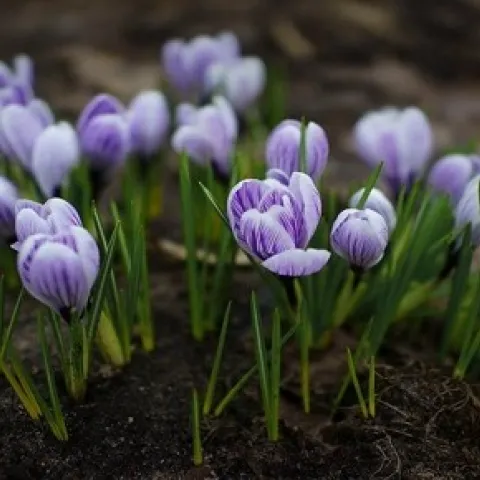
Crocus vernus ‘Pickwick’
UC Marin Master Gardeners: Article

Focus on Crocus

October 20, 2025
 Blooming in shades of purple, white, yellow, pale pink, and anywhere in between, crocus are cheerful additions to any garden. While many species bloom in early spring, some, such as saffron crocus (Crocus sativus), bloom in autumn. These different species need different care, but there’s sure to be at…
View Article
ANR Adventures: Article

Great work going on in Placer, Nevada, Plumas and Sierra counties

October 20, 2025
By Brent Hales
 Last week, Erin Marnocha, our new Vice Provost for Research and Program Integration, Daniel Obrist, Vice Provost for Academic Personnel and Development, and I visited our UC Cooperative Extension colleagues in Placer, Nevada, Plumas and Sierra counties. Thanks to Michele Fisch, UCCE area director, who…
View Article
UC Master Gardeners of Tulare and Kings County: Article

The Problem with Cleveland Sage

October 18, 2025
By Peyton Ellas, UC Master Gardener of Tulare/Kings County
Many of us have replaced turf (lawn) with low-water-use shrubs and perennials. Whether native to California or elsewhere, the plants were chosen for their ability to require less water and, in other ways, be more "climate-adapted." We now have a patchwork of no-lawn yards in our valley and in many public…
View Article
Primary Image
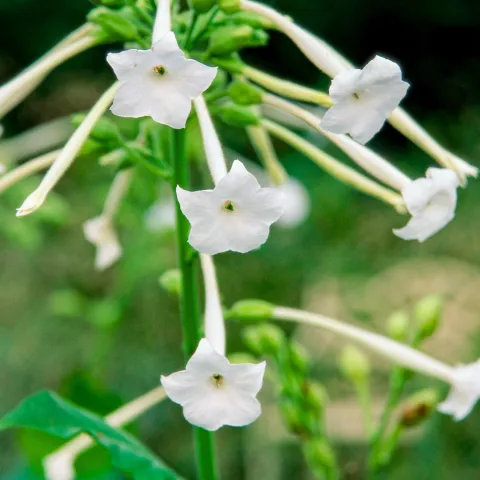
Flowering tobacco, nicotiana
Napa Master Gardener Column: Article

Nicotiana

October 18, 2025
By Michael Lecours
By Penny Pawl, UC Master Gardener of Napa CountyOne of my favorite plants in my garden is nicotiana (Nicotiana sylvestris), also known as flowering tobacco. The plants need almost no care and bloom most of the spring, summer and autumn. The flowers are fading just now in October. Nicotiana also does double…
View Article
UC Ag Experts Talk Webinar Series: Page

Past webinars - Olive pests

As webinars are completed, we post recordings on YouTube for future study and sharing with others. Continuing education units are not available for recorded webinars. Only participants of live webinars receive credits.Update on Major Olive Pests and their Management in California by Dr. Sudan…
View Page
Hansen Agricultural Research and Extension Center: Page

Jobs

Statewide Cottage Foods Education Specialist - Flexible Location, CAJob DescriptionThe University of California Master Food Preserver Program based in Davis, CA, extends UC research-based information about home food safety and preservation to the public. The UC Master Food Preserver Program is a…
View Page
Primary Image
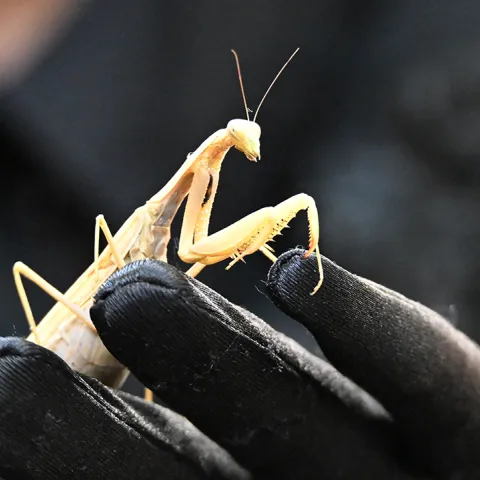
European praying mantis at the Vacavillel Museum Courtyard.
Bug Squad: Article

What a Day When Betty White Visited the Vacaville Museum

October 17, 2025
By Kathy Keatley Garvey
 What a day when Betty White visited the Vacaville Museum!Not the beloved Betty White, the American actress, comedian, producer, activist, and animal welfare advocate who passed Dec. 31, 2021 at age 99. It was her namesake.It all began when the Vacaville Museum hosted a public function on Oct. 11…
View Article
Stanislaus County: Article

Evapotranspiration Report 10/17/25

October 17, 2025
By Adrienne A Tompkins
Please find the attached document to provide the previous week’s estimated water use report in terms of evapotranspiration for almonds, peaches, walnuts, established vineyard, alfalfa, and pasture in Stanislaus County. This report may be used as a guide in your irrigation schedule for the…
View Article
Primary Image
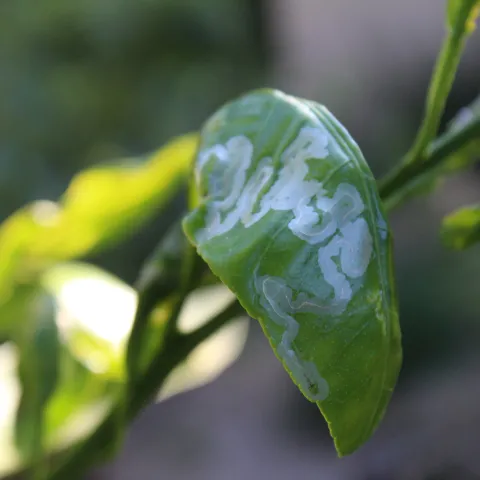
Close up of a citrus leaf infested with leaf miners.
The Savvy Sage: Article

Ask A Master Gardener

October 17, 2025
Ask a Master GardenerThis column is written by the Master Gardeners of Yolo County each month. It provides answers to selected questions recently asked by Yolo County gardeners.Starting this month, the “Ask a Master Gardener” column is fielding questions directly from Yolo County gardeners and other garden…
View Article