A Natural Solution for California's Herds: African Catfish Peptides

California's cattle producers and agricultural communities are all too familiar with the rising challenge of antibiotic resistance, making common bacterial infections harder to treat in livestock. But imagine a future where we could tackle these infections with a natural, powerful alternative. Our research points to just that: antimicrobial peptides (AMPs) found in African catfish.

We're really excited about these peptides because African catfish thrive in pathogen-rich freshwater, naturally producing these robust immune compounds in their skin mucus as a defense. This natural origin makes them highly appealing alternatives to synthetic drugs.

Predicted Safety and Potent Action

One of the most compelling aspects of these AMPs is their predicted safety for mammals. Our initial computer analyses suggest that various catfish AMPs are generally recognized as safe (GRAS). We predict they'll be absorbed in the human intestine without causing liver, brain, or heart toxicity. Furthermore, lab tests on a promising peptide, NACAP-II, confirmed it was non-hemolytic, meaning it didn't damage rabbit red blood cells—a strong indicator of its potential safety for mammalian cells.

Beyond safety, these peptides demonstrate effectiveness against problematic bacteria. One study revealed NACAP-II's strong activity against Extended-Spectrum Beta-Lactamase (ESBL)-producing Escherichia coli—a critical concern for both animal and human health due to its resistance to many common antibiotics. Another peptide, ACAP-IV, also showed antibacterial activity against E. coli and Staphylococcus aureus. We believe these AMPs work by directly disrupting bacterial cell membranes, a mechanism that makes it harder for bacteria to develop resistance compared to how they resist traditional antibiotics.
Primary Image
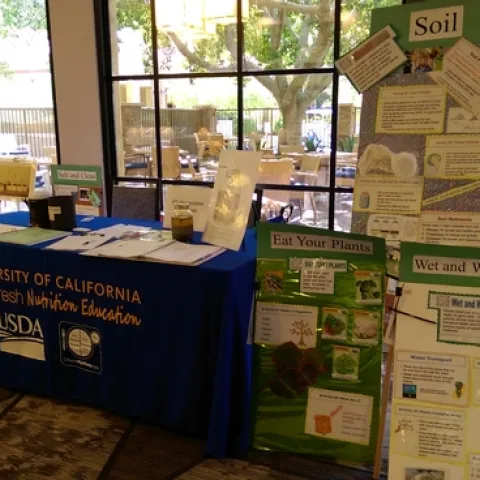
UC CalFresh Exhibit
UCCE Riverside County: Article

UC CalFresh at the CA Ag in the Classroom Conference

October 2, 2018
By Chutima H Ganthavorn
The California Agriculture (Ag) in the Classroom Conference is held once a year to bring teachers and anyone interested together to learn about ag. This year, the conference is held in So Cal at the beautiful Renaissance Hotel Marriott, in Palm Springs from September 27-29, 2018.
View Article
UC Master Gardeners of San Joaquin County: Article

October-December 2018

October 2, 2018
Happy Fall! We hope you are enjoying the cooler weather! Sit down with a warm cup of something tasty and enjoy this issue of our quarterly Master Gardener newsletter full of timely tips and useful garden information.
View Article
UC 4-H Program of Tuolumne County: Article

October 2018

October 2, 2018
In this issue: - Paper Clovers - 4-H Week - Get Inspired! Volunteer Development Day...
View Article
Cooperative Extension San Joaquin County: Article

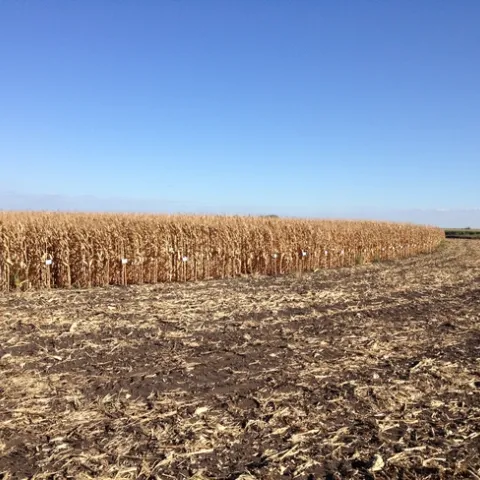
2018 Corn Field Meeting

October 2, 2018
Please pardon that this message is being resent. There was an error in the previous message, sent yesterday. UC Cooperative Extension will host the annual corn field meeting on THURSDAY, October 18, 2018, from 10:00am to noon, on Tyler Island in Sacramento County.
View Article
Primary Image
Delta field corn variety trial
SJC and Delta Field Crops: Article

2018 Corn Field Meeting

October 2, 2018
By Michelle M Leinfelder-Miles
UC Cooperative Extension will host the annual corn field meeting on Thursday, October 18, 2018, from 10:00am to noon, on Tyler Island in Sacramento County. The agenda is pasted below and attached. The attached version includes a map and directions to the field site.
View Article
Primary Image
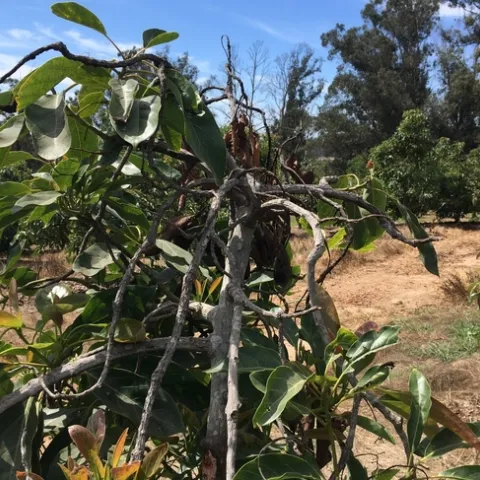
heat damaged tree
Topics in Subtropics: Article

The Thomas Fire and July Heat Wave of 2018

October 2, 2018
By Ben A Faber
Tree crops growers ranging from citrus to avocado to cherimoya and other exotic fruit tree crops were hit be the fires of December 2018. Many trees were damaged by fire, but many more trees were affected by the heat generated by the fire and to a certain extent the gasses produced by the fire.
View Article