A Natural Solution for California's Herds: African Catfish Peptides

California's cattle producers and agricultural communities are all too familiar with the rising challenge of antibiotic resistance, making common bacterial infections harder to treat in livestock. But imagine a future where we could tackle these infections with a natural, powerful alternative. Our research points to just that: antimicrobial peptides (AMPs) found in African catfish.

We're really excited about these peptides because African catfish thrive in pathogen-rich freshwater, naturally producing these robust immune compounds in their skin mucus as a defense. This natural origin makes them highly appealing alternatives to synthetic drugs.

Predicted Safety and Potent Action

One of the most compelling aspects of these AMPs is their predicted safety for mammals. Our initial computer analyses suggest that various catfish AMPs are generally recognized as safe (GRAS). We predict they'll be absorbed in the human intestine without causing liver, brain, or heart toxicity. Furthermore, lab tests on a promising peptide, NACAP-II, confirmed it was non-hemolytic, meaning it didn't damage rabbit red blood cells—a strong indicator of its potential safety for mammalian cells.

Beyond safety, these peptides demonstrate effectiveness against problematic bacteria. One study revealed NACAP-II's strong activity against Extended-Spectrum Beta-Lactamase (ESBL)-producing Escherichia coli—a critical concern for both animal and human health due to its resistance to many common antibiotics. Another peptide, ACAP-IV, also showed antibacterial activity against E. coli and Staphylococcus aureus. We believe these AMPs work by directly disrupting bacterial cell membranes, a mechanism that makes it harder for bacteria to develop resistance compared to how they resist traditional antibiotics.

Primary Image
Nickels December 2025
Colusa County: Page

Nickels Soil Lab

Leslie J. Nickels TrustNickels Soil Laboratory in cooperation with The University of CaliforniaArbuckle, CaliforniaWho are we?The Leslie J. Nickels Testamentary Trust (the Trust) was established in 1961 through the bequest of L.J. Nickels, a local farmer. He donated his property to establish The Trust, which…
View Page
Under the Solano Sun: Article

Pumpkin Time!

October 15, 2025
By Jennifer M Baumbach
Blog by Michelle Davis We are full on in Pumpkin Season, in which many beverages, entrees and desserts are made with the fruit. Pumpkins originated in Mesoamerica close to 10,000 years ago, though its name “pumpkin” comes from the Greek word “peopon”, translating to “large melon”. Pumpkins are a squash…
View Article
Primary Image
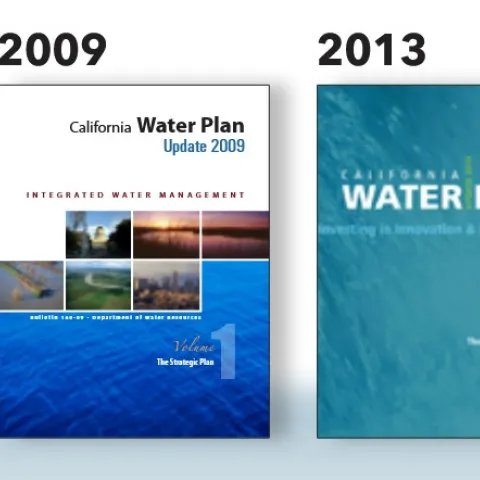
History of Water Plan
Water Resilience, Climate Change, and Water Systems in California: Article

Avanzando el Futuro del Agua en California: Rutas de Implementación y Casos de Estudio Locales bajo el Plan del Agua de California 2023

October 15, 2025
By Esther N Lofton, Laura E Garza Diaz, Laljeet S Sangha
 Los sistemas hídricos de California se encuentran en un momento decisivo. Las presiones del cambio climático, el crecimiento poblacional, la infraestructura envejecida y las persistentes inequidades en el acceso al agua convergen hoy para generar desafíos sin precedentes en la gestión hídrica. Al mismo…
View Article
Article

[PODCAST] Composting and Organic Waste in Orange County

October 14, 2025
By Loren Nelson
California is almost ten years into the legislation, planning, and implementation of one of the most significant environmental plans ever developed. SB 1383 was passed in 2016 with the goal of diverting methane-producing organic waste from the landfills. This week on In the Garden with UC Master…
View Article