A Natural Solution for California's Herds: African Catfish Peptides

California's cattle producers and agricultural communities are all too familiar with the rising challenge of antibiotic resistance, making common bacterial infections harder to treat in livestock. But imagine a future where we could tackle these infections with a natural, powerful alternative. Our research points to just that: antimicrobial peptides (AMPs) found in African catfish.

We're really excited about these peptides because African catfish thrive in pathogen-rich freshwater, naturally producing these robust immune compounds in their skin mucus as a defense. This natural origin makes them highly appealing alternatives to synthetic drugs.

Predicted Safety and Potent Action

One of the most compelling aspects of these AMPs is their predicted safety for mammals. Our initial computer analyses suggest that various catfish AMPs are generally recognized as safe (GRAS). We predict they'll be absorbed in the human intestine without causing liver, brain, or heart toxicity. Furthermore, lab tests on a promising peptide, NACAP-II, confirmed it was non-hemolytic, meaning it didn't damage rabbit red blood cells—a strong indicator of its potential safety for mammalian cells.

Beyond safety, these peptides demonstrate effectiveness against problematic bacteria. One study revealed NACAP-II's strong activity against Extended-Spectrum Beta-Lactamase (ESBL)-producing Escherichia coli—a critical concern for both animal and human health due to its resistance to many common antibiotics. Another peptide, ACAP-IV, also showed antibacterial activity against E. coli and Staphylococcus aureus. We believe these AMPs work by directly disrupting bacterial cell membranes, a mechanism that makes it harder for bacteria to develop resistance compared to how they resist traditional antibiotics.
Primary Image
015
Ranching in the Sierra Foothills: Article

Grazing Cows and Sheep Together: Lessons from Idaho

May 17, 2018
By Daniel K Macon
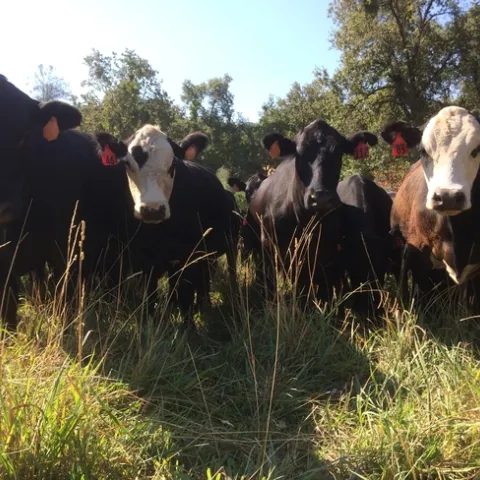
Multi-species grazing - grazing cattle, sheep, goats, or even poultry or pigs in the same pastures - is often cited in the popular small farm press as a beneficial practice. Each of these livestock species has different forage preferences and grazing behaviors.
View Article
Under the Solano Sun: Article

Native vs. Endemic Plants

May 17, 2018
I am not a native plant specialist, although when choosing plants for my garden I will lean towards plants listed as natives. In the last couple of years, I have run across the terms endemic and native in the same conversation.
View Article
Primary Image
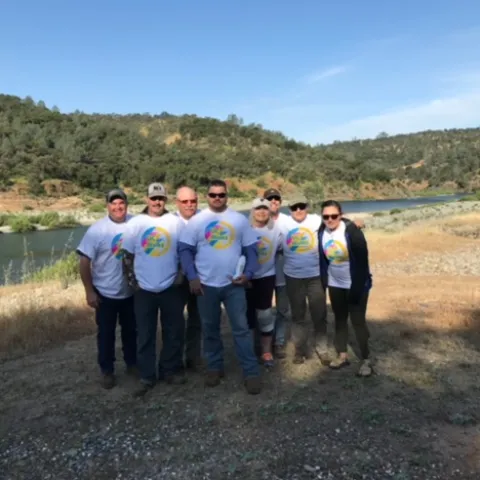
U C Walks Photo:Left to Right-Dustin Flavell, Clint Tipton, Martin Beaton, Nikolai Schweitzer, Chris Feddersen, Mike Williams, Corrina Craigmill, & Ali Stefancich
SFREC News: Article

UC Walks

May 17, 2018
By Alexandra Stefancich
Yesterday Sierra Foothill Research and Extension Center staff employees participated in the 8th Annual University of California Walks Wellness event at the Yuba River Education Center.
View Article
Primary Image
UC Weed Science
UC Weed Science (weed control, management, ecology, and minutia): Article

EVENT ANNOUNCEMENT :: Weed Day 2018

May 17, 2018
By Gale Perez
You can read about the latest weed-science research being conducted at UC Davis, but nothing beats seeing it for yourself.
View Article
Primary Image
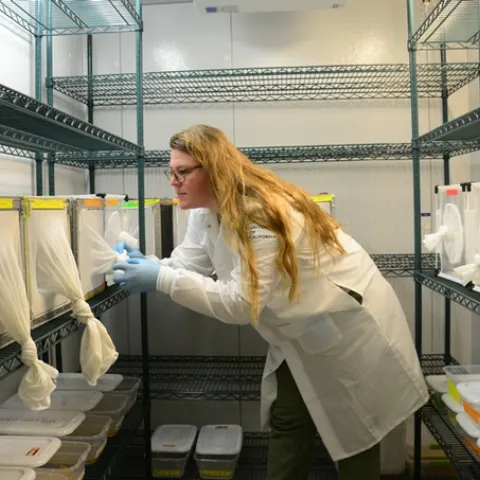
UC Davis doctoral student and mosquito researcher Olivia Winokur checks on mosquitoes in the walk-in chamber in the insectary. The chamber is set to 26 Celsius and 80 percent humidity to mimic tropical conditions. (Photo by Kathy Keatley Garvey)
Bug Squad: Article

The World of Olivia Winokur

May 16, 2018
By Kathy Keatley Garvey
Have you ever wondered what it's like to be a UC Davis doctoral student researching mosquitoes? Meet Olivia Winokur, an enthusiastic, dedicated and multi-talented medical entomologist whose childhood curiosity about a yellow fever vaccination sparked her interest in 'skeeters.
View Article
Primary Image
Dancy Mandarin

Dancy Mandarin

May 16, 2018
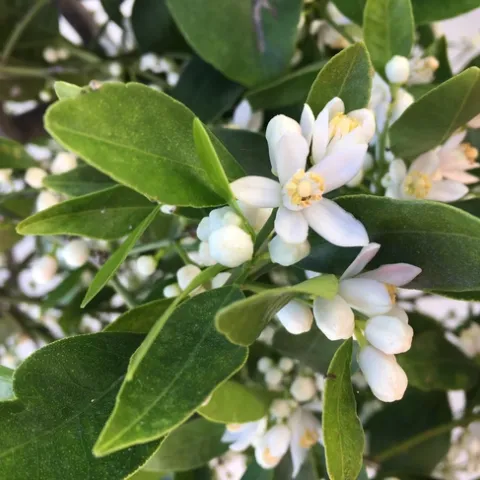
By Linda Lewis Griffith UCCE Master Gardener Dancy Mandarin Citrus tangerina Dancy' Planting zone: Best flavor in Zones 12 and 13, but good through zone 24. Size: Large, vigorous, upright tree (20-30') with erect branches. Dwarf tree (4-10') suitable in large pots or as espalier.
View Article
Primary Image
Boland willow
Topics in Subtropics: Article

Invasive Shot Hole Borer Gone Global

May 16, 2018
By Ben A Faber
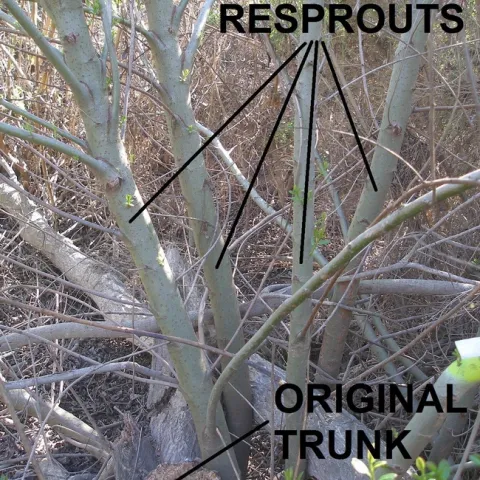
Natural Resources Advisor, UC Cooperatiove Extension With a finding in the KwaZulu National Botanical Gardens reported in November 2017, the invasive shot hole borer (ISHB) (polyphagous and Kuroshio borers)/ fusarium dieback pest disease complex is now known to be found on three continents.
View Article
Primary Image
UC Weed Science
UC Weed Science (weed control, management, ecology, and minutia): Article

EVENT ANNOUNCEMENT :: Diagnosing Herbicide Symptoms 2018 course

May 16, 2018
By Gale Perez
Diagnosing Herbicide Symptoms 2018 July 10-11, 2018 Bowley Plant Science Teaching Center, UC Davis ****************************** Weed scientists at the University of California are offering the Diagnosing Herbicide Symptoms 2018 course on July 10-11, 2018.
View Article