A Natural Solution for California's Herds: African Catfish Peptides

California's cattle producers and agricultural communities are all too familiar with the rising challenge of antibiotic resistance, making common bacterial infections harder to treat in livestock. But imagine a future where we could tackle these infections with a natural, powerful alternative. Our research points to just that: antimicrobial peptides (AMPs) found in African catfish.

We're really excited about these peptides because African catfish thrive in pathogen-rich freshwater, naturally producing these robust immune compounds in their skin mucus as a defense. This natural origin makes them highly appealing alternatives to synthetic drugs.

Predicted Safety and Potent Action

One of the most compelling aspects of these AMPs is their predicted safety for mammals. Our initial computer analyses suggest that various catfish AMPs are generally recognized as safe (GRAS). We predict they'll be absorbed in the human intestine without causing liver, brain, or heart toxicity. Furthermore, lab tests on a promising peptide, NACAP-II, confirmed it was non-hemolytic, meaning it didn't damage rabbit red blood cells—a strong indicator of its potential safety for mammalian cells.

Beyond safety, these peptides demonstrate effectiveness against problematic bacteria. One study revealed NACAP-II's strong activity against Extended-Spectrum Beta-Lactamase (ESBL)-producing Escherichia coli—a critical concern for both animal and human health due to its resistance to many common antibiotics. Another peptide, ACAP-IV, also showed antibacterial activity against E. coli and Staphylococcus aureus. We believe these AMPs work by directly disrupting bacterial cell membranes, a mechanism that makes it harder for bacteria to develop resistance compared to how they resist traditional antibiotics.


Primary Image
Director of the California Department of Pesticide Regulation, Brian Leahy, listens as an IPM Summit participant shares ideas.

Turning integrated pest management ideas into action

April 23, 2018
By Jeannette Warnert
Pests have always been a bane of human existence. Modern society has developed effective pest management, but there is no kind and gentle way to kill things, said Brian Leahy, the director of the California Department of Pesticide Regulation, in remarks at the April 2018 IPM Summit.
View Article
Primary Image
flyer by Sharon Leos

April Miku

April 23, 2018
Save the date gardeners Home gardens being readied Garden Tour April 29th...
View Article
Primary Image
Teaching Pre-K
UC CalFresh Fresno/Madera Counties: Article

Intern Reflection Series: Matthew Velazquez

April 23, 2018
Over the last two weeks at UC CalFresh Nutrition Education Program, I learned fun and innovative ways to provide nutrition education to children and adults. The UC CalFresh Nutrition Education Program helps families, adults, and children by teaching nutrition lessons at schools and community events.
View Article
Primary Image
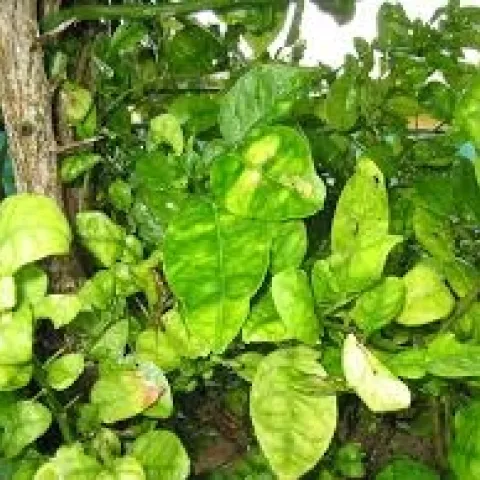
HLB symptoms
Topics in Subtropics: Article

Citrus Disease Solution Not Imminent

April 23, 2018
By Ben A Faber
A single breakthrough discovery for managing citrus greening in Florida in the future is unlikely, says a new report by the National Academies of Sciences, Engineering, and Medicine.
View Article
Primary Image
tomato cage materials and tools
HOrT COCO-UC Master Gardener Program of Contra Costa: Article

Caging Your Tomatoes?

April 23, 2018
Advice for the Home Gardener from the Help Desk of the UC Master Gardener Program of Contra Costa County Client's Request: Do you have recommendations on tomato cages? I bought the heavier gauge tapered cylinder ones at the big box store.
View Article
Primary Image
Lemon border
Master Food Preservers San Bernardino County: Article

Lemon Curd--try this with those new-found powers of HOME CANNING!

April 22, 2018
Recently I got together with a friend and helped her make the following Lemon Curd. It was De-LISH! Follow the instructions exactly for a good boiling-water-bath-preserved lemon curd. Make sure you get lots of lemons, organic or home-grown lemons, for the most excellent zest.
View Article