A Natural Solution for California's Herds: African Catfish Peptides

California's cattle producers and agricultural communities are all too familiar with the rising challenge of antibiotic resistance, making common bacterial infections harder to treat in livestock. But imagine a future where we could tackle these infections with a natural, powerful alternative. Our research points to just that: antimicrobial peptides (AMPs) found in African catfish.

We're really excited about these peptides because African catfish thrive in pathogen-rich freshwater, naturally producing these robust immune compounds in their skin mucus as a defense. This natural origin makes them highly appealing alternatives to synthetic drugs.

Predicted Safety and Potent Action

One of the most compelling aspects of these AMPs is their predicted safety for mammals. Our initial computer analyses suggest that various catfish AMPs are generally recognized as safe (GRAS). We predict they'll be absorbed in the human intestine without causing liver, brain, or heart toxicity. Furthermore, lab tests on a promising peptide, NACAP-II, confirmed it was non-hemolytic, meaning it didn't damage rabbit red blood cells—a strong indicator of its potential safety for mammalian cells.

Beyond safety, these peptides demonstrate effectiveness against problematic bacteria. One study revealed NACAP-II's strong activity against Extended-Spectrum Beta-Lactamase (ESBL)-producing Escherichia coli—a critical concern for both animal and human health due to its resistance to many common antibiotics. Another peptide, ACAP-IV, also showed antibacterial activity against E. coli and Staphylococcus aureus. We believe these AMPs work by directly disrupting bacterial cell membranes, a mechanism that makes it harder for bacteria to develop resistance compared to how they resist traditional antibiotics.
Primary Image
800X800-CA-Bunny-20k-RYH-2018
San Joaquin County 4-H: Article

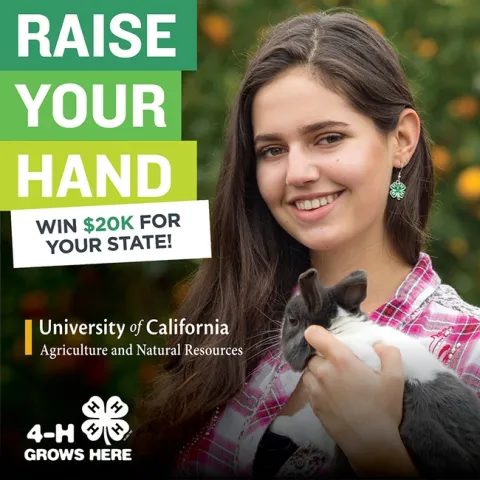
Raise Your Hand and help California 4-H win $20,000!

April 1, 2018
4-H gives youth the opportunity to learn by doing, grow from failure and develop the skills they need to handle what life throws their way. Starting today, we're asking you, friends of 4-H, to Raise Your Hand to support 4-H'ers in CALIFORNIA.
View Article
Primary Image
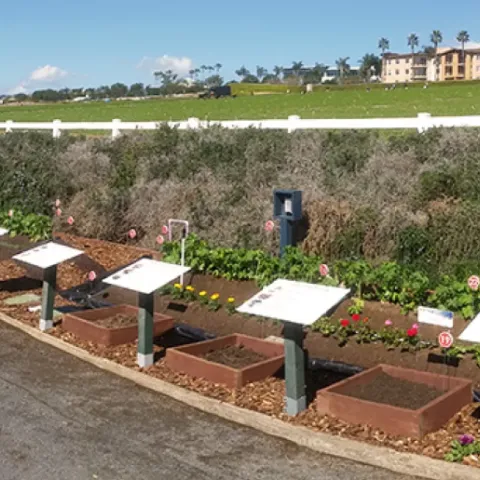
Ag Water Quality Demonstration
You See CE: Article

The Flower Fields At Carlsbad Ranch

April 1, 2018
By Robert A Padilla
This self-assessment provides a basis for assessing runoff and nonpoint source pollution potential from greenhouses and container nurseries. Runoff and non-point source pollution management on any agricultural property will involve a combination of practices.
View Article
Primary Image
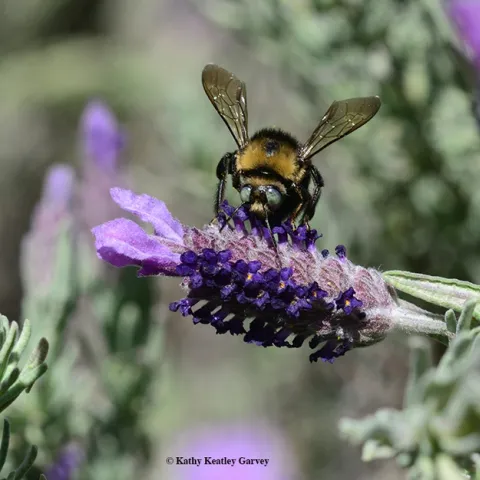
A male mountain carpenter bee, Xyclocopa tabaniformis orpifex, nectaring on Spanish lavender. (Photo by Kathy Keatley Garvey)
Bug Squad: Article

Here Come the Carpenter Bees!

March 30, 2018
By Kathy Keatley Garvey
It's spring and it's loud in the Spanish lavender patch. The girls--the honey bees--are buzzing furiously as they forage among the blossoms, but so are the boys, in this case the mountain carpenter bee, Xyclocopa tabaniformis orpifex.
View Article
Primary Image
Drywood T1
UC Master Gardeners- Diggin' it in SLO: Article

Western Drywood Termites

March 30, 2018
By Maria Murrietta
Norman Knows... Western Drywood Termites Probably the biggest termite pest in this area is the Western Drywood Termite. No doubt, many of us have seen the homes and buildings covered with large tarps, or perhaps had your own home covered for fumigation.
View Article
Napa Master Gardener Column: Article

It's time to PLAN, not PLANT.

March 30, 2018
By David Layland, U. C. Master Gardener of Napa County It's that time of year: time to start thinking about planting this year's vegetable garden. It's still too early to actually plant seeds or starts but it's not too early to do a little planning.
View Article
Primary Image
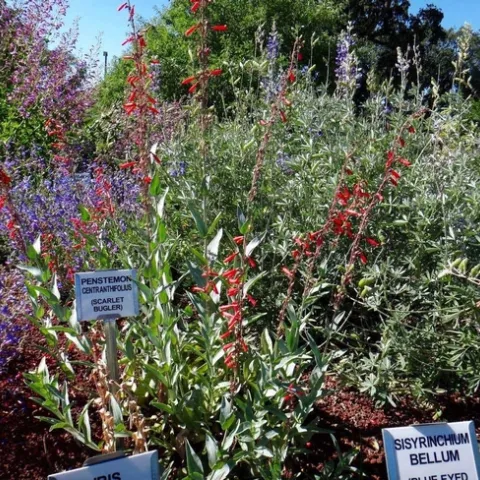
Scarlet bugler and foothill penstemons by B. McGhie

Pollinator Plants in the Home Garden

March 30, 2018
By Brent McGhie, UC Master Gardener of Butte County, March 30, 2018. Pollinators, animals that pollinate plants, are essential for the functioning of virtually all terrestrial ecosystems.
View Article
Primary Image
Ella Mae Noffsinger, 1934-2018
Entomology & Nematology News: Article

Ella Mae Noffsinger: 1934-2018

March 30, 2018
By Kathy Keatley Garvey
Ella Mae Noffsinger, 84, who retired in 1991 as the senior museum scientist in charge of the UC Davis Nematode Collection, passed away March 22, 2018 in Woodland. She was a longtime resident of Palm Gardens Assisted Living, Woodland.
View Article