A Natural Solution for California's Herds: African Catfish Peptides

California's cattle producers and agricultural communities are all too familiar with the rising challenge of antibiotic resistance, making common bacterial infections harder to treat in livestock. But imagine a future where we could tackle these infections with a natural, powerful alternative. Our research points to just that: antimicrobial peptides (AMPs) found in African catfish.

We're really excited about these peptides because African catfish thrive in pathogen-rich freshwater, naturally producing these robust immune compounds in their skin mucus as a defense. This natural origin makes them highly appealing alternatives to synthetic drugs.

Predicted Safety and Potent Action

One of the most compelling aspects of these AMPs is their predicted safety for mammals. Our initial computer analyses suggest that various catfish AMPs are generally recognized as safe (GRAS). We predict they'll be absorbed in the human intestine without causing liver, brain, or heart toxicity. Furthermore, lab tests on a promising peptide, NACAP-II, confirmed it was non-hemolytic, meaning it didn't damage rabbit red blood cells—a strong indicator of its potential safety for mammalian cells.

Beyond safety, these peptides demonstrate effectiveness against problematic bacteria. One study revealed NACAP-II's strong activity against Extended-Spectrum Beta-Lactamase (ESBL)-producing Escherichia coli—a critical concern for both animal and human health due to its resistance to many common antibiotics. Another peptide, ACAP-IV, also showed antibacterial activity against E. coli and Staphylococcus aureus. We believe these AMPs work by directly disrupting bacterial cell membranes, a mechanism that makes it harder for bacteria to develop resistance compared to how they resist traditional antibiotics.
Primary Image
25 year-old Juniper.
The Backyard Gardener: Article

A Delightful Surprise of Bonsai

February 11, 2018
On a recent trip to Ecuador I spent a wonderful afternoon at the Botanic Garden in the capital city of Quito.
View Article
Fresno County 4-H: Article

February 2018 Guidelines

February 9, 2018
In This Edition: Plant a Seed And Watch It Grow! 4-H Leaders Council & Committee Meetings Pg. 2 4-H Hi-C Meeting - Pg. 2 EnrollmentVolunteers Incomplete Pg. 2 Enrollment Notes: Pg. 2 Community Service Online Reporting - Pg. 2 CCLS (Community Club Leaders) - Need to knowPg.
View Article
Primary Image
UC Weed Science
UC Weed Science (weed control, management, ecology, and minutia): Article

Weed Science events :: Diagnosing Herbicide Symptoms, Weed Day, Aquatic Weed School

February 9, 2018
By Gale Perez
Upcoming events July 10-11, 2018 :: Diagnosing Herbicide Symptoms 2018 July 12, 2018 :: Weed Day 2018 **Be a Weed Day sponsorclick HERE ** Sept. 5-6, 2018 :: Aquatic Weed School 2018 UC WEED Research & Information Center (WeedRIC) :: P: (530) 752-1748:: E: http://wric.ucdavis.
View Article
Primary Image
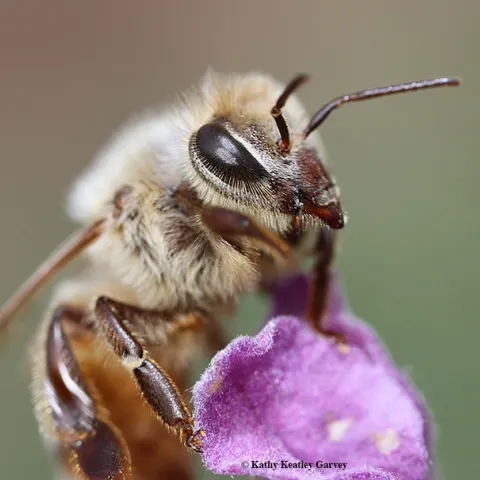
A honey bee nectars on a rosemary blossom on Feb. 9 on the UC Davis campus. (Photo by Kathy Keatley Garvey)
Bug Squad: Article

Honey Bees Think It's Spring on the UC Davis Campus

February 9, 2018
By Kathy Keatley Garvey
Spring doesn't "spring" on the University of California, Davis campus. Sometimes it skitters, scampers and scoots. That's in between the cool and warm temperatures that deceive us--and the bees.
View Article
Primary Image
Young people from age 11 to 19 in San Mateo County took hikes and engaged in other outdoor activities at the 4-H Youth Summit in the Santa Cruz Mountains
Healthy Communities Blog: Article

Latino youths increase their presence in UC ANR 4-H program

February 9, 2018
By Pamela S Kan-Rice
For more than 200 youngsters in California, including 45 Latinos, the last weekend of January was a unique experience, full of physical activities and workshops that will help them build a successful future.
View Article
Primary Image
Purple and Rose Potatoes
The Backyard Gardener: Article

Potato Possibilities

February 9, 2018
Ed. Note: Potatoes grow well in the Eastern Sierra. Usually we grow them in the ground, but some gardeners have alkaline soil or no soil at all! Gardeners like to try new things and this article has some fun ideas to try. You can find some UC info on potatoes here.
View Article