A Natural Solution for California's Herds: African Catfish Peptides

California's cattle producers and agricultural communities are all too familiar with the rising challenge of antibiotic resistance, making common bacterial infections harder to treat in livestock. But imagine a future where we could tackle these infections with a natural, powerful alternative. Our research points to just that: antimicrobial peptides (AMPs) found in African catfish.

We're really excited about these peptides because African catfish thrive in pathogen-rich freshwater, naturally producing these robust immune compounds in their skin mucus as a defense. This natural origin makes them highly appealing alternatives to synthetic drugs.

Predicted Safety and Potent Action

One of the most compelling aspects of these AMPs is their predicted safety for mammals. Our initial computer analyses suggest that various catfish AMPs are generally recognized as safe (GRAS). We predict they'll be absorbed in the human intestine without causing liver, brain, or heart toxicity. Furthermore, lab tests on a promising peptide, NACAP-II, confirmed it was non-hemolytic, meaning it didn't damage rabbit red blood cells—a strong indicator of its potential safety for mammalian cells.

Beyond safety, these peptides demonstrate effectiveness against problematic bacteria. One study revealed NACAP-II's strong activity against Extended-Spectrum Beta-Lactamase (ESBL)-producing Escherichia coli—a critical concern for both animal and human health due to its resistance to many common antibiotics. Another peptide, ACAP-IV, also showed antibacterial activity against E. coli and Staphylococcus aureus. We believe these AMPs work by directly disrupting bacterial cell membranes, a mechanism that makes it harder for bacteria to develop resistance compared to how they resist traditional antibiotics.
Primary Image
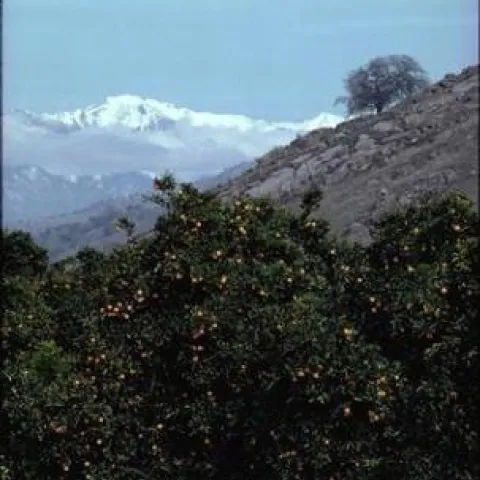
citrus and mountains
Topics in Subtropics: Article

Citrus Day-O

January 24, 2018
By Ben A Faber
Please join us for the 7th Annual Citrus Field Day, designed for citrus growers and citrus industry representatives. Pending approval, we will be offering 5.0 hours of California Continuing Education Credit for Pest Control Advisers (PCA).
View Article
Primary Image
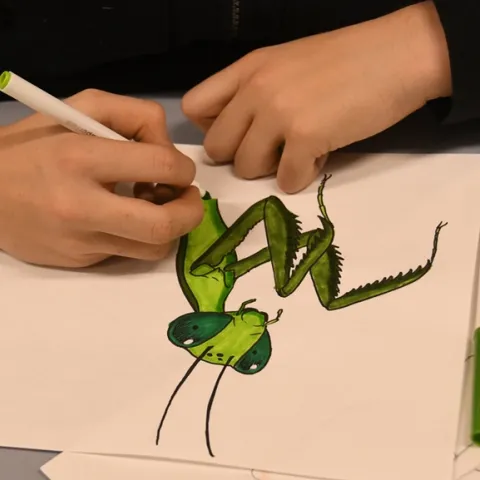
This praying mantis, drawn by Karissa Merritt, is being colored by James Harris, 13, of Winters at the Bohart Museum of Entomology open house. (Photo by Kathy Keatley Garvey)
Bug Squad: Article

Bohart Museum: This Bug's for You

January 24, 2018
By Kathy Keatley Garvey
A praying mantis here. A lady beetle there. A sawtoothed-grain beetle there. Entomologist-artist Karissa Merritt kept busy at the UC Davis Bohart Museum of Entomology's open house on Insects and Art last Sunday, Jan. 21 as she demonstrated how to draw insects.
View Article
Primary Image
Dandelion mature plant. [Credit: G and B Corsi]
Community Pest News: Article

How to Remove Dandelions

January 24, 2018
By Karey Windbiel-Rojas
We've had some rain in our area lately so you are probably seeing some weeds starting to grow in your garden or lawn. Among the few new weeds poking out in my landscape is dandelion, my husband's least favorite weed on Earth.
View Article
Primary Image
Kevin paper image1
Choe Laboratory News: Article

Chemical ecology of Argentine ant aggression

January 24, 2018
By Dong Hwan Choe
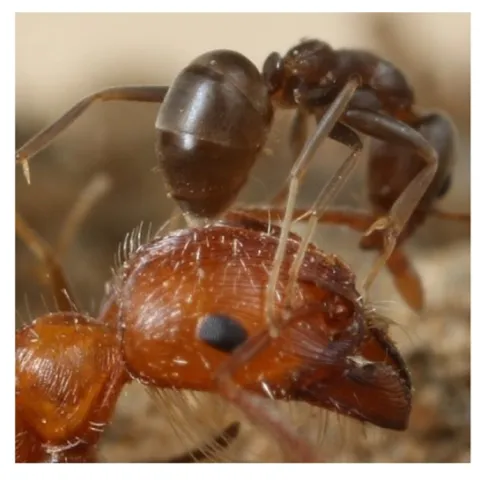
One of dissertation chapters of Kevin Welzel (former PhD student in Choe Laboratory) is now officially published. https://www.nature.com/articles/s41598-018-19435-6 Check out following news article to learn more about the research.
View Article
Salinas Valley Agriculture: Article

2018 UCCE Irrigation and Nutrient Meeting

January 24, 2018
By Michael D Cahn
2018 UCCE Irrigation and Nutrient Management Meeting Monterey County Agricultural Center 1432 Abbott Street, Salinas, CA Tuesday, February 13 7:45 a.m. to 12:30 p.m. 7:45 Registration (Free) 8:00 Update on the Ag Order for the Central Coast.
View Article
Primary Image
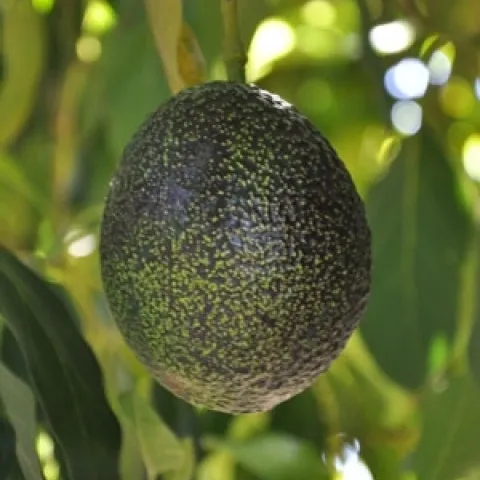
avocado fruit
Topics in Subtropics: Article

Avocado Seminars Coming Up

January 24, 2018
By Ben A Faber
Presented by California Avocado Society, Inc., California Avocado Commission, and University of California Cooperative Extension Download all year PDF here. Speakers: Mark Hoddle: Extension Specialist in Biological Control at University of California, Riverside Avocado pests currently here.
View Article
Primary Image
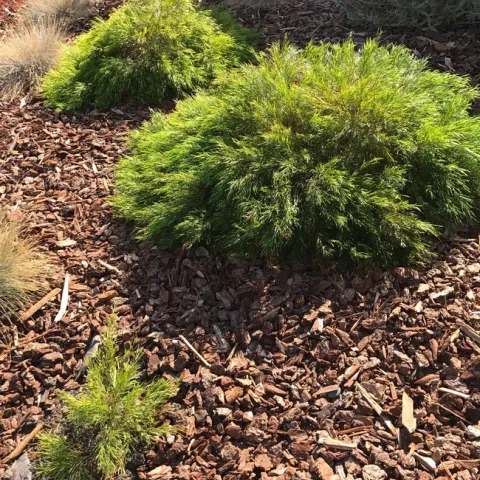
'Cousin Itt' photo by Karen Metz
Under the Solano Sun: Article

Acacia cognata 'Cousin Itt'

January 24, 2018
A year and a half ago when we replaced our front yard with drought tolerant landscape and drip irrigation, I desperately wanted to include Acacia cognata Cousin Itt'. I had seen it in a catalog and thought it would be perfect.
View Article
Primary Image
Jim Farrar
ANR Employee News: Article

New leaders named for three strategic initiatives

January 23, 2018
By Pamela S Kan-Rice
New leaders for three of the five UC ANR Strategic Initiatives have taken the helm for the three SI leaders who rotated off, effective Jan. 2. Jim Farrar, director of UC Integrated Pest Management Program, succeeds Cheryl Wilen as leader for Endemic and Invasive Pests and Diseases (EIPD).
View Article
Primary Image
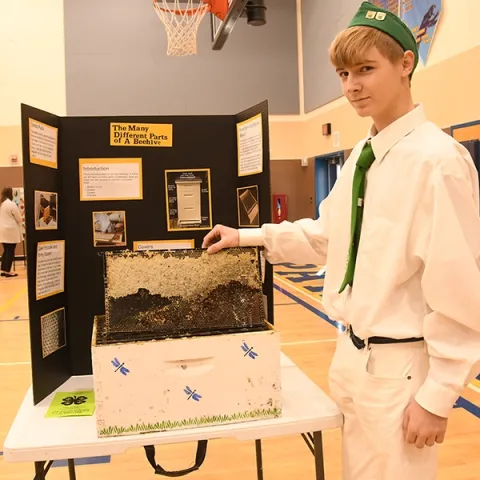
Ian Weber of the Vaca Valley 4-H Club, a second-year beekeeper, displays his project at the Solano County 4-H Project Skills Day. He won a showmanship award. (Photo by Kathy Keatley Garvey)
Bug Squad: Article

4-H Isn't Just About Cows 'n Chickens, You Can 'Bee' All You Can 'Bee'

January 23, 2018
By Kathy Keatley Garvey
Youths who want to learn beekeeping might want to consider joining the 4-H program. Take, for example, the Solano County 4-H Youth Development Program, part of the UC Cooperative Extension Program. At the countywide annual Project Skills Day, held last Saturday, Jan.
View Article
Tulare County Cooperative Extension: Article

7th Annual Cattle Improvement Symposium

January 23, 2018
FARM Club at UC Davis School of Veterinary Medicine Presents: 7th Annual Cattle Improvement Symposium February 3, 2018 at UC Davis School of Veterinary Medicine...
View Article