A Natural Solution for California's Herds: African Catfish Peptides

California's cattle producers and agricultural communities are all too familiar with the rising challenge of antibiotic resistance, making common bacterial infections harder to treat in livestock. But imagine a future where we could tackle these infections with a natural, powerful alternative. Our research points to just that: antimicrobial peptides (AMPs) found in African catfish.

We're really excited about these peptides because African catfish thrive in pathogen-rich freshwater, naturally producing these robust immune compounds in their skin mucus as a defense. This natural origin makes them highly appealing alternatives to synthetic drugs.

Predicted Safety and Potent Action

One of the most compelling aspects of these AMPs is their predicted safety for mammals. Our initial computer analyses suggest that various catfish AMPs are generally recognized as safe (GRAS). We predict they'll be absorbed in the human intestine without causing liver, brain, or heart toxicity. Furthermore, lab tests on a promising peptide, NACAP-II, confirmed it was non-hemolytic, meaning it didn't damage rabbit red blood cells—a strong indicator of its potential safety for mammalian cells.

Beyond safety, these peptides demonstrate effectiveness against problematic bacteria. One study revealed NACAP-II's strong activity against Extended-Spectrum Beta-Lactamase (ESBL)-producing Escherichia coli—a critical concern for both animal and human health due to its resistance to many common antibiotics. Another peptide, ACAP-IV, also showed antibacterial activity against E. coli and Staphylococcus aureus. We believe these AMPs work by directly disrupting bacterial cell membranes, a mechanism that makes it harder for bacteria to develop resistance compared to how they resist traditional antibiotics.
Primary Image
anr survey
Web / IT News: Article

New Security Measures for ANR Surveys

January 23, 2018
As part of a series of on-going initiatives to heighten cyber-security throughout the UC system, UC ANR is currently reviewing our on-line infrastructure to identify areas in need of strengthening.
View Article
Primary Image
Fall-planted sites 2017-18
UC Small Grains Blog: Article

Statewide small grain testing program update

January 23, 2018
By Mark E Lundy
The UC Grain Cropping Systems Lab and a cooperating network of UC Cooperative Extension agronomists established fall-planted small grain variety trials across the state of California from October to December 2017.
View Article
Primary Image
IMG 1621
A Garden Runs Through It - UCCE Master Gardeners of Colusa County: Article

Weeds in your Landscape

January 23, 2018
By Gerry Hernandez
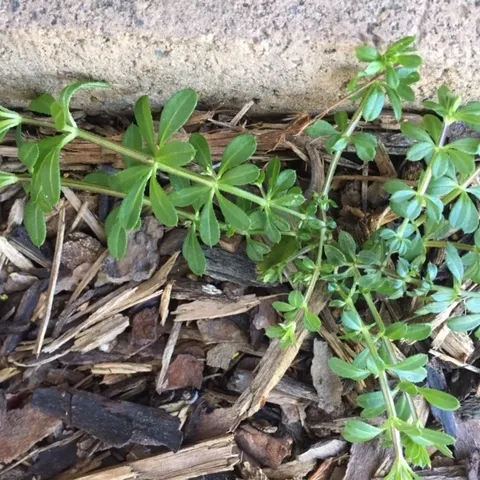
It's that time of the year. It's been rainy and warm so the weeds are sprouting! I don't know about you but I very much dislike weeding the garden. Here are some tips to help you keep up with the icky weeding chore. Weeds will invade any bare or thin area in a landscape.
View Article
Primary Image
13528040 10155015524158206 4276458714582553232 o
Campus Voices for Food + Climate Sustainability: Article

Growing Student Voices of GFI & CNI

January 23, 2018
Greetings from the UC-wide Global Food Initiative (GFI) and Carbon Neutrality Initiative (CNI) student fellows! Welcome to our blog, where we hope to share the amazing work of GFI and CNI fellows, past and present, undergraduate and graduate, and SoCal to NorCal.
View Article
ANR Adventures: Article

No time for travel delays

January 23, 2018
By Wendy Powers
The good news continues my student gave a great seminar and successfully defended his dissertation research! Only some minor changes to be made, a third publication to prepare and submit, and then consider a fourth.
View Article
Primary Image
parasitic wasp laying
Topics in Subtropics: Article

Support Biocontrol Program

January 23, 2018
By Ben A Faber
Harry S. Smith, was born in 1883 to a poor farming family in Nebraska. He was trained in Biological Control in the northeast U.S.A. where he worked on the biological control of gypsy moth with the USDA.
View Article
Primary Image
photo by Michelle Davis
Under the Solano Sun: Article

Pomegranates

January 23, 2018
Pomegranates originated about 4000 years ago in Persia and spread from there into northern India. Their cultivation reached throughout the Mediterranean, into Africa and Asia. Ancient mythological stories and the Bible mention pomegranates.
View Article