A Natural Solution for California's Herds: African Catfish Peptides

California's cattle producers and agricultural communities are all too familiar with the rising challenge of antibiotic resistance, making common bacterial infections harder to treat in livestock. But imagine a future where we could tackle these infections with a natural, powerful alternative. Our research points to just that: antimicrobial peptides (AMPs) found in African catfish.

We're really excited about these peptides because African catfish thrive in pathogen-rich freshwater, naturally producing these robust immune compounds in their skin mucus as a defense. This natural origin makes them highly appealing alternatives to synthetic drugs.

Predicted Safety and Potent Action

One of the most compelling aspects of these AMPs is their predicted safety for mammals. Our initial computer analyses suggest that various catfish AMPs are generally recognized as safe (GRAS). We predict they'll be absorbed in the human intestine without causing liver, brain, or heart toxicity. Furthermore, lab tests on a promising peptide, NACAP-II, confirmed it was non-hemolytic, meaning it didn't damage rabbit red blood cells—a strong indicator of its potential safety for mammalian cells.

Beyond safety, these peptides demonstrate effectiveness against problematic bacteria. One study revealed NACAP-II's strong activity against Extended-Spectrum Beta-Lactamase (ESBL)-producing Escherichia coli—a critical concern for both animal and human health due to its resistance to many common antibiotics. Another peptide, ACAP-IV, also showed antibacterial activity against E. coli and Staphylococcus aureus. We believe these AMPs work by directly disrupting bacterial cell membranes, a mechanism that makes it harder for bacteria to develop resistance compared to how they resist traditional antibiotics.
Primary Image
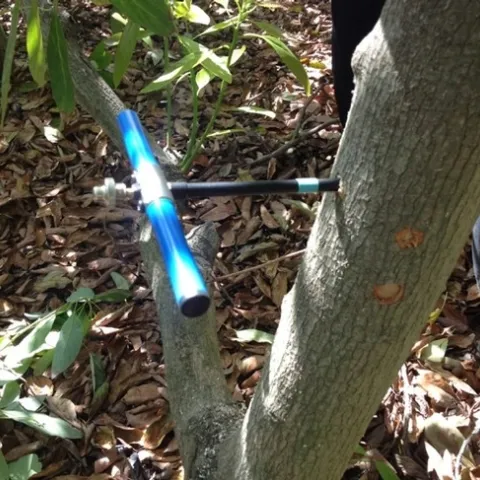
mulch
Topics in Subtropics: Article

Cellulase Production by Different Mulch Sources

August 22, 2016
By Ben A Faber
Biological control of Phytophthora cinnamomi in avocadothrough the use of mulches was identified by an Australian grower and later described as the "Ashburner Method" by Broadbent and Baker. The technique uses large amounts of organic matter as a mulch along with a source of calcium.
View Article
Bug Squad: Article

From Caterpillars to Butterflies to Chronic Pain Research

August 19, 2016
By Kathy Keatley Garvey
"Science is full of surprises." Bruce Hammock, UC Davis distinguished professor of entomology who holds a joint appointment with the UC Davis Comprehensive Cancer Center, is fond of saying that in his many talks. "Science is full of surprises.
View Article
Primary Image
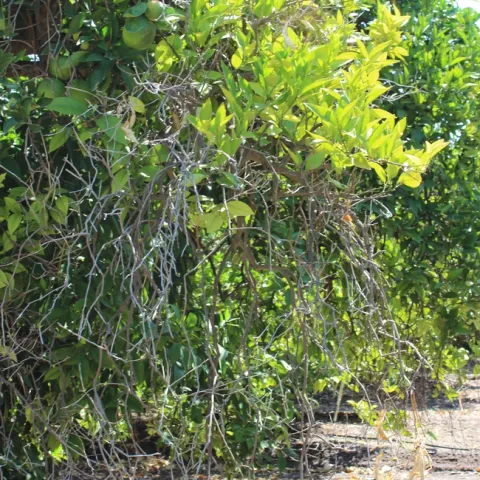
clothesline effect
Topics in Subtropics: Article

It's NOT Disease, it's Water

August 19, 2016
By Ben A Faber
A call from a small grower, surprised at the sudden decline of the avocado trees. It must be a disease was the grower's thought. Well driving up to the site, there were numerous trees with canopies indicating drought stress. In fact most of the trees looked like they had had the water turned off.
View Article
Bug Squad: Article

Pretty in Pink--And in Other Colors, Too!

August 18, 2016
By Kathy Keatley Garvey
They're pretty in pink. Well, not just pink. All other colors, too. It's National Honey Bee Day on Saturday, Aug. 20. That's when we officially celebrate the honey bee, Apis mellifera, which the European colonists brought to the Jamestown colony in Virginia in 1622.
View Article
Bug Squad: Article

Rachael Long: A Boy, a Bat, a Coyote and a Crow

August 17, 2016
By Kathy Keatley Garvey
It doesn't get more real. Yolo County Farm Advisor and children's book author Rachael Freeman Long remembers telling her son stories about an adventuresome, kind-hearted, wildlife-loving boy named Jack and three of his friends--a bat named Pinta, a coyote named Sonny and a crow named Midas.
View Article
Livestock & Range: Article

UCCE Wild Pig Damage Survey

August 17, 2016
By Devii R Rao
University of California Cooperative Extension Wild Pig Survey UC Cooperative Extension wants to hear from San Benito, Monterey, and Santa Cruz county ranchers and farmers about your experience with wild pigs.
View Article
Bug Squad: Article

Everybody Eats in the Pollinator Garden

August 16, 2016
By Kathy Keatley Garvey
Everybody eats in the pollinator garden. That includes crab spiders that sprawl atop a flower, flatten themselves, and wait, oh, so patiently, for dinner. We've seen them nab green bottle flies, sweat bees and honey bees. They pounce, inject a killer venom, and dinner is served.
View Article
Primary Image
Table. Alfalfa overseeding rates
SJC and Delta Field Crops: Article

Overseeding Older Alfalfa Stands

August 16, 2016
By Michelle M Leinfelder-Miles, Mick M Canevari
A land manager recently contacted me with questions about overseeding alfalfa. Her alfalfa stand is diminishing but not to the point of giving up on it.
View Article