A Natural Solution for California's Herds: African Catfish Peptides

California's cattle producers and agricultural communities are all too familiar with the rising challenge of antibiotic resistance, making common bacterial infections harder to treat in livestock. But imagine a future where we could tackle these infections with a natural, powerful alternative. Our research points to just that: antimicrobial peptides (AMPs) found in African catfish.

We're really excited about these peptides because African catfish thrive in pathogen-rich freshwater, naturally producing these robust immune compounds in their skin mucus as a defense. This natural origin makes them highly appealing alternatives to synthetic drugs.

Predicted Safety and Potent Action

One of the most compelling aspects of these AMPs is their predicted safety for mammals. Our initial computer analyses suggest that various catfish AMPs are generally recognized as safe (GRAS). We predict they'll be absorbed in the human intestine without causing liver, brain, or heart toxicity. Furthermore, lab tests on a promising peptide, NACAP-II, confirmed it was non-hemolytic, meaning it didn't damage rabbit red blood cells—a strong indicator of its potential safety for mammalian cells.

Beyond safety, these peptides demonstrate effectiveness against problematic bacteria. One study revealed NACAP-II's strong activity against Extended-Spectrum Beta-Lactamase (ESBL)-producing Escherichia coli—a critical concern for both animal and human health due to its resistance to many common antibiotics. Another peptide, ACAP-IV, also showed antibacterial activity against E. coli and Staphylococcus aureus. We believe these AMPs work by directly disrupting bacterial cell membranes, a mechanism that makes it harder for bacteria to develop resistance compared to how they resist traditional antibiotics.
Bug Squad: Article

Celebrating the Honey Bees and Earth Day

April 22, 2016
By Kathy Keatley Garvey
Doom or gloom? Boom or bloom? Today is Earth Day, and millions of folks around the world stopped--at least for a moment--to pay tribute to the 46th annual observance. They planted trees, weeded their gardens, greeted pollinators, or just thought about environmental issues.
View Article
Primary Image
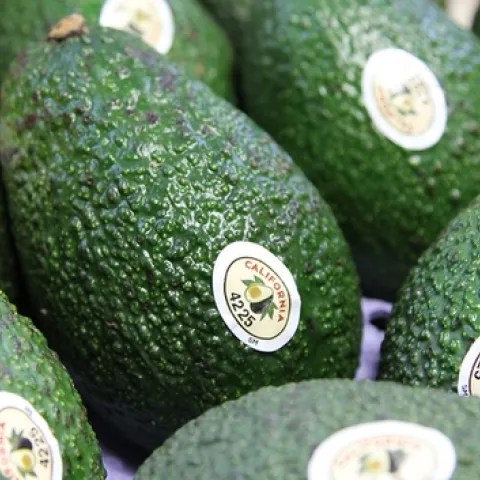
Copyright © 2016 California Avocado Commission
Topics in Subtropics: Article

Avocado Production Class for New Growers 2016

April 22, 2016
By Sonia I Rios
6 weekly classes and a Saturday Field Trip to the UC Cooperative Extension High Density Trial 2:00 4:00 pm, Wednesday afternoons located at the San Diego County Farm Bureau, 1670 E. Valley Parkway, Escondido CA 92027 Instructor: Gary Bender Ph,D.
View Article
Bug Squad: Article

The Day That Bugs Ruled

April 21, 2016
By Kathy Keatley Garvey
If you poked around all the bug exhibits during the campuswide UC Davis Picnic Day on Saturday, April 16, you probably came away thinking: Bugs rule. In sheer numbers, diversity and special honors.
View Article
Bug Squad: Article

Because Nature Isn't Perfect

April 20, 2016
By Kathy Keatley Garvey
Nature isn't perfect, but neither are we! Today we watched a Gulf Fritillary (Agraulis vanillae) laying eggs on her host plant, the passionflower vine (Passiflora) and another Gulf Fritillary nectaring on the nearby Jupiter's Beard (Centranthus ruber). Ms.
View Article
Primary Image
citrus stressed
Topics in Subtropics: Article

One Symptom, Many Causes

April 20, 2016
By Ben A Faber
We are creatures of habit and when we see the effects of a treatment, we can often persist in seeing the same or similar symptoms and assuming the cause is the same. In a recent case, a newly planted Pixie' orchard, planted in August had gone into an old Valencia' ground.
View Article
IGIS: Article

Wall-E was right

April 20, 2016
By Maggi Kelly
Used in my MDP lecture today, and so posting so I can find it easily later! http://apps.agi.com/SatelliteViewer/ Great web app for viewing current satellite orbits. More detailed info here: http://qz.
View Article