A Natural Solution for California's Herds: African Catfish Peptides

California's cattle producers and agricultural communities are all too familiar with the rising challenge of antibiotic resistance, making common bacterial infections harder to treat in livestock. But imagine a future where we could tackle these infections with a natural, powerful alternative. Our research points to just that: antimicrobial peptides (AMPs) found in African catfish.

We're really excited about these peptides because African catfish thrive in pathogen-rich freshwater, naturally producing these robust immune compounds in their skin mucus as a defense. This natural origin makes them highly appealing alternatives to synthetic drugs.

Predicted Safety and Potent Action

One of the most compelling aspects of these AMPs is their predicted safety for mammals. Our initial computer analyses suggest that various catfish AMPs are generally recognized as safe (GRAS). We predict they'll be absorbed in the human intestine without causing liver, brain, or heart toxicity. Furthermore, lab tests on a promising peptide, NACAP-II, confirmed it was non-hemolytic, meaning it didn't damage rabbit red blood cells—a strong indicator of its potential safety for mammalian cells.

Beyond safety, these peptides demonstrate effectiveness against problematic bacteria. One study revealed NACAP-II's strong activity against Extended-Spectrum Beta-Lactamase (ESBL)-producing Escherichia coli—a critical concern for both animal and human health due to its resistance to many common antibiotics. Another peptide, ACAP-IV, also showed antibacterial activity against E. coli and Staphylococcus aureus. We believe these AMPs work by directly disrupting bacterial cell membranes, a mechanism that makes it harder for bacteria to develop resistance compared to how they resist traditional antibiotics.

Bug Squad: Article

The Most Dangerous Animal on the Planet

March 18, 2016
By Kathy Keatley Garvey
What's the most dangerous animal on the planet? No, not rhinos, cape buffaloes, hippos, lions, elephants, crocodiles or sharks. It's an insect, the blood-sucking mosquito. Mosquitoes that transmit malaria, including Anopheles gambiae, kill more than people than any other animal on the planet.
View Article
UC Weed Science (weed control, management, ecology, and minutia): Article

Weed science assistant prof job in Oregon (perennial hort crops)

March 18, 2016
By Brad Hanson
Oregon State University is currently advertising a position for an Assistant Professor who will address Weed Management in Perennial Horticultural Crops. I'm excited about this position for a couple reasons.
View Article
Primary Image
copper deficiency
Topics in Subtropics: Article

Copper Deficiency in 'Meyer' Lemon - It Can be Gross

March 17, 2016
By Ben A Faber
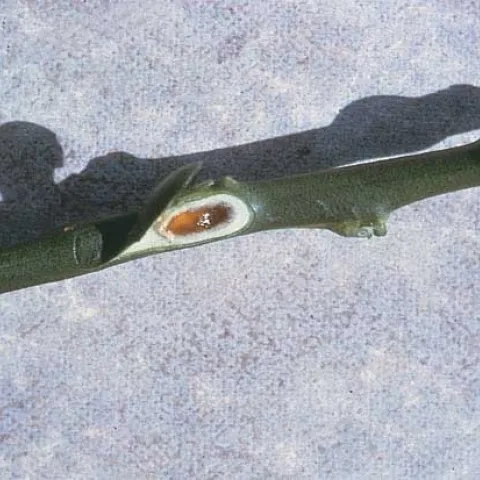
A 'Meyer' lemon should be quite happy along the coast, unless it gets planted in new soil that has low copper because of high soil pH or high organic matter. And then you wonder what is wrong. Mild copper deficiency is usually associated with large, dark green leaves on long soft angular shoots.
View Article
UC Weed Science (weed control, management, ecology, and minutia): Article

Broadworks herbicide (correction)

March 16, 2016
By Brad Hanson
I found out today that I previously misread the label of a new herbicide registered in several California orchard crops. Broadworks Herbicide (from Syngenta) was registered in fall 2015 on several citrus, stone fruit, and tree nut crops (but not every crop in those groups).
View Article
Bug Squad: Article

Lynn Kimsey: Distinguished Public Service

March 15, 2016
By Kathy Keatley Garvey
They fondly call her "The Wasp Woman" in reference to her specialty. She is a recognized expert on aculeate wasps and works with some of the most difficult groups, including tiphiids and chrysidids.
View Article
Bug Squad: Article

A Bee Is a Bee Is a Bee,,,

March 14, 2016
By Kathy Keatley Garvey
If poet Gertrude Stein were alive today, she might say "A bee is a bee is a bee" instead of "a rose is a rose is a rose." Or, she might say "A fly is a fly is a fly." Oh, my.
View Article
UC Weed Science (weed control, management, ecology, and minutia): Article

Highlights from the Western Society of Weed Science Conference

March 14, 2016
By Thomas J Getts
I was lucky enough to be able to attend the Western Society of Weed Science last week down in Albuquerque, and it was a great time! As always there was quality information presented throughout the meeting along with great discussion about weeds inside and outside of the sessions.
View Article