A Natural Solution for California's Herds: African Catfish Peptides

California's cattle producers and agricultural communities are all too familiar with the rising challenge of antibiotic resistance, making common bacterial infections harder to treat in livestock. But imagine a future where we could tackle these infections with a natural, powerful alternative. Our research points to just that: antimicrobial peptides (AMPs) found in African catfish.

We're really excited about these peptides because African catfish thrive in pathogen-rich freshwater, naturally producing these robust immune compounds in their skin mucus as a defense. This natural origin makes them highly appealing alternatives to synthetic drugs.

Predicted Safety and Potent Action

One of the most compelling aspects of these AMPs is their predicted safety for mammals. Our initial computer analyses suggest that various catfish AMPs are generally recognized as safe (GRAS). We predict they'll be absorbed in the human intestine without causing liver, brain, or heart toxicity. Furthermore, lab tests on a promising peptide, NACAP-II, confirmed it was non-hemolytic, meaning it didn't damage rabbit red blood cells—a strong indicator of its potential safety for mammalian cells.

Beyond safety, these peptides demonstrate effectiveness against problematic bacteria. One study revealed NACAP-II's strong activity against Extended-Spectrum Beta-Lactamase (ESBL)-producing Escherichia coli—a critical concern for both animal and human health due to its resistance to many common antibiotics. Another peptide, ACAP-IV, also showed antibacterial activity against E. coli and Staphylococcus aureus. We believe these AMPs work by directly disrupting bacterial cell membranes, a mechanism that makes it harder for bacteria to develop resistance compared to how they resist traditional antibiotics.

Primary Image
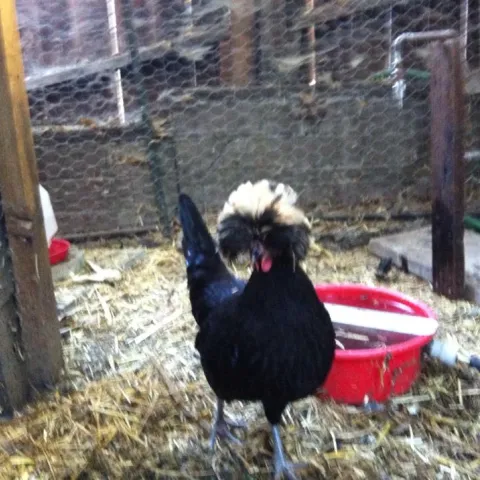
phyllis and diller, the chicken
Under the Solano Sun: Article

Chicken Water-Garlic or Oregano or Apple Cider Vinegar

September 10, 2025
By Jennifer M Baumbach
Blog by Peter WilsonYou may be asking yourself what garlic, oregano, or Apple Cider Vinegar have to do with chickens and their water. Read on to learn more.Chickens require access to clean water. I …
View Article
Event Primary Image
Agave_attenuata
UC Master Gardeners of San Mateo & San Francisco Counties: Event

Safeguarding Succulents for Winter: How to Winterize Your Succulent Garden

Event Date
Nov 5, 2025

Tough in summer, succulents can be sensitive in winter. Learn some expert tips in this online class! Please join UC Master Gardener Janice Moody to learn how best to protect your tender succulents during our Bay Area winter climate fluctuations—from atmospheric rivers to freezing temperatures…
UC Master Gardeners of San Mateo & San Francisco Counties
View Event
UC Oaks: Article

Hardwood Rangeland Monitoring with Aerial Photographs

September 9, 2025
By Michael Jones
by Peng GongOaks ‘n Folks – Volume 20, Issue 1 – January 2004Hardwood rangelands cover 10% of California, and are composed of an overstory of various hardwood species, predominantly oaks (Quercus spp.), and an understory mainly composed of introduced annuals (Gong et al., 2000).Tree crown closure (also…
View Article
UC Oaks: Article

Sudden Oak Death Science Symposium Held in Monterey

September 9, 2025
By Michael Jones
by Doug McCrearyOaks ’n Folks – Volume 19, Issue 1 – February 2003On December 17 and 18, a Sudden Oak Death Science Symposium was held in Monterey. This Conference was sponsored by the USDA Forest Service Pacific Southwest Research Station and the University of California Integrated Hardwood Range Management…
View Article
UC Oaks: Article

Engelmann Oaks Are Returning Where They Can

September 9, 2025
By Michael Jones
by Tom ScottEngelmann oak (Quercus engelmannii) is best known by superlatives, such as “the rarest tree-oak species in the United States” or “the most sensitive type of oak woodland in California.” Today, Engelmann oaks are found primarily in rare, scattered groves and are restricted to Southern…
View Article
UC Oaks: Article

Blueprint for Monitoring Plans

September 9, 2025
By Michael Jones
by Tyson Hillard HolmesOaks ’n Folks – Volume 17, Issue 2 – August 2001Monitoring is an essential tool for successful management of hardwood rangelands. Over time, it allows landowners and managers to measure the impacts of their management activities on the condition of natural resources under their…
View Article
UC Oaks: Article

Understanding and Monitoring California Hardwood Rangeland Watersheds

September 9, 2025
By Michael Jones
by David J. LewisOaks ‘n Folks – Volume 17, Issue 1 – February 2001Watershed functions include the collection, storage, and transport of water. In California’s hardwood rangeland watersheds, these functions have distinct characteristics resulting from the prevailing Mediterranean climate and vegetation. The…
View Article