A Natural Solution for California's Herds: African Catfish Peptides

California's cattle producers and agricultural communities are all too familiar with the rising challenge of antibiotic resistance, making common bacterial infections harder to treat in livestock. But imagine a future where we could tackle these infections with a natural, powerful alternative. Our research points to just that: antimicrobial peptides (AMPs) found in African catfish.

We're really excited about these peptides because African catfish thrive in pathogen-rich freshwater, naturally producing these robust immune compounds in their skin mucus as a defense. This natural origin makes them highly appealing alternatives to synthetic drugs.

Predicted Safety and Potent Action

One of the most compelling aspects of these AMPs is their predicted safety for mammals. Our initial computer analyses suggest that various catfish AMPs are generally recognized as safe (GRAS). We predict they'll be absorbed in the human intestine without causing liver, brain, or heart toxicity. Furthermore, lab tests on a promising peptide, NACAP-II, confirmed it was non-hemolytic, meaning it didn't damage rabbit red blood cells—a strong indicator of its potential safety for mammalian cells.

Beyond safety, these peptides demonstrate effectiveness against problematic bacteria. One study revealed NACAP-II's strong activity against Extended-Spectrum Beta-Lactamase (ESBL)-producing Escherichia coli—a critical concern for both animal and human health due to its resistance to many common antibiotics. Another peptide, ACAP-IV, also showed antibacterial activity against E. coli and Staphylococcus aureus. We believe these AMPs work by directly disrupting bacterial cell membranes, a mechanism that makes it harder for bacteria to develop resistance compared to how they resist traditional antibiotics.

Preservation Notes - San Joaquin Master Food Preservers: Article

Meet our UCCE Master Food Preserver - Linda Driver

August 2, 2025
By Sherida J Phibbs
By – Sherida Phibbs Meet Linda Driver – One Jar at a TimeIf you’ve ever attended a UC Master Food Preserver class on jellies and jams, chances are you’ve crossed paths with Linda Driver—a longtime volunteer whose passion for preserving is only matched by her generosity and sense of humor.Linda became a…
View Article
UC Master Food Preserver: Article

Spotlight: Michele Jones, Class of 2025 MFP Volunteer (August 2025)

August 2, 2025
Michele Jones UC Master Food Preserver Online Program VolunteerCounty of residence: Placer Image credit: Maria Giovanni, 2025 Hi, my name is Michele Jones, and I am proud to be a recent graduate of the UC Master Food Preserver Program, graduating in June 2025. I grew up watching my mother and…
View Article
UC Master Food Preserver: Article

Ice Ice Berry: Freeze Your Fruit Like a Legend (August 2025)

August 2, 2025
Paige Weisskirch, UC Master Food Preserver Online Program Volunteer Freezing fruit at home is one of the simplest and most effective ways to preserve your harvest, or that great farmers-market haul, so nothing goes to waste. It gives you the convenience of having high-quality, ready-to-use fruit at your…
View Article
UC Master Food Preserver: Article

Why Do My Pressure-Canned Jars Continue to Boil as They Cool on the Counter?

August 2, 2025
Henry Shaw, UC Master Food Preserver Online Program Volunteer If you've done any pressure canning, you've probably noticed something curious: the jars often keep boiling long after you remove them from the canner and place them on your counter (Fig.1). This bubbling can go on for minutes — or even hours…
View Article
UC Master Food Preserver: Article

Making and Using Dehydrated Tomato Skins (August 2025)

August 2, 2025
Monica Gross, UC Master Food Preserver Online Program Volunteer There are a surprising number of uses for tomato skin! This article will explain how to make a powder out of tomato skins and what to do with that powder (Fig.1). Prior to canning tomatoes, it’s necessary to remove the tomato skin. This is…
View Article
Nutrition Policy Institute News: Article

New study reveals an association between WIC participation during pregnancy and gestational weight gain

August 1, 2025
By Jean Aquino, Danielle Lee, Caitlin D French
A 2025 study in the Current Developments in Nutrition, revealed that participation in the Special Supplemental Nutrition Program for Women, Infants, and Children, commonly known as WIC, may modestly decrease the risk for low gestational weight gain and slow gestational weight gain rate. Notably,…
View Article
Primary Image
Seven farmers sitting at a long table on stage facing the audience
Food Blog: Article

Regenerative agriculture community charts way forward

August 1, 2025
By Srabani Das, Sara Rosenberg
UC ANR and UC Merced hosted a symposium, ‘Regenerative Agriculture: The way forward,’ on July 1, 2025, to bring together stakeholders to discuss regenerative agriculture in the San Joaquin Valley.
View Article
Primary Image
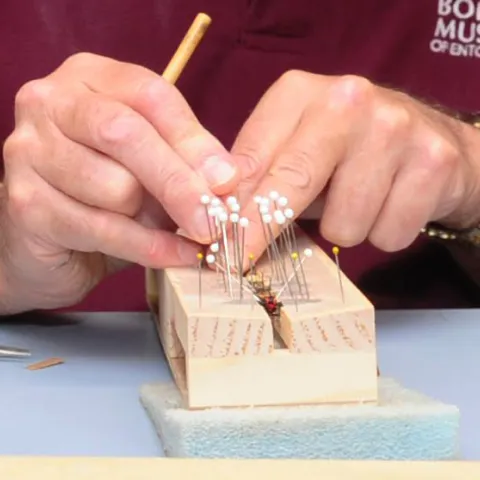
Jeff Smith spreading wings of a moth. (Photo by Kathy Keatley Garvey)

How Tiny Is This Moth?

August 1, 2025
By Kathy Keatley Garvey
 What a tiny moth!Jeff Smith, volunteer curator of the Lepidoptera collection at the Bohart Museum of Entomology at the University of California, Davis, for three decades, has just spread the wings of a micro-moth with a wingspan (both wings open) measured at about 1 centimeter.And it is not only tiny,…
View Article
UC Cooperative Extension Sonoma County: Event

Beneath the Surface: 10 Years of Local Groundwater

Event Date
Aug 21, 2025

Learn about local management progress and activities and join us in realizing a resilient future for Santa Rosa Plain & Petaluma ValleyEvent information and registration on Eventbrite: https://www.eventbrite.com/e/beneath-the-surface-10-years-of-local-groundwater-basin-stewardship-tickets…
UC Cooperative Extension Sonoma County
View Event
Primary Image
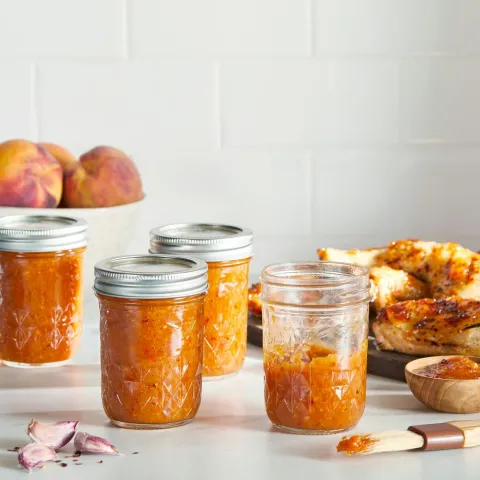
Zesty Peach BBQ Sauce Photo Credit: Ballmasonjars.com
Preservation Notes - San Joaquin Master Food Preservers: Article

Zesty Peach BBQ Sauce

August 1, 2025
By Colleen Young
by Colleen Young, MFP Co-Coordinator If you find yourself with extra peaches this summer, this a great way to use them up. Not to mention it is a favorite of some of my best friends. If it is a little too spicy for you just use 1 teaspoon of the hot pepper flakes. It is excellent on poultry and pork…
View Article