A Natural Solution for California's Herds: African Catfish Peptides

California's cattle producers and agricultural communities are all too familiar with the rising challenge of antibiotic resistance, making common bacterial infections harder to treat in livestock. But imagine a future where we could tackle these infections with a natural, powerful alternative. Our research points to just that: antimicrobial peptides (AMPs) found in African catfish.

We're really excited about these peptides because African catfish thrive in pathogen-rich freshwater, naturally producing these robust immune compounds in their skin mucus as a defense. This natural origin makes them highly appealing alternatives to synthetic drugs.

Predicted Safety and Potent Action

One of the most compelling aspects of these AMPs is their predicted safety for mammals. Our initial computer analyses suggest that various catfish AMPs are generally recognized as safe (GRAS). We predict they'll be absorbed in the human intestine without causing liver, brain, or heart toxicity. Furthermore, lab tests on a promising peptide, NACAP-II, confirmed it was non-hemolytic, meaning it didn't damage rabbit red blood cells—a strong indicator of its potential safety for mammalian cells.

Beyond safety, these peptides demonstrate effectiveness against problematic bacteria. One study revealed NACAP-II's strong activity against Extended-Spectrum Beta-Lactamase (ESBL)-producing Escherichia coli—a critical concern for both animal and human health due to its resistance to many common antibiotics. Another peptide, ACAP-IV, also showed antibacterial activity against E. coli and Staphylococcus aureus. We believe these AMPs work by directly disrupting bacterial cell membranes, a mechanism that makes it harder for bacteria to develop resistance compared to how they resist traditional antibiotics.
Primary Image
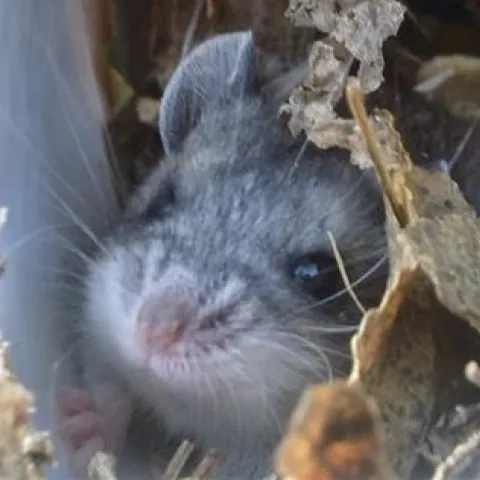
A grey mouse under brown leaves in a sideways plant pot.
Pests in the Urban Landscape: Article

Mouse in Your House?

July 30, 2025
By Belinda Messenger-Sikes
While they may look cute, no one really wants a mouse around the house. House mice eat up to 20% of their body weight daily, eating whatever food is available. They can contaminate our food and their gnawing can damage buildings, wiring, insulation, food packages, and more. Many fires of unknown origin are…
View Article
Policy, Compliance, and Programmatic Agreements: Page

Cooperative Extension Specialist MOUs

UC BerkeleyCurrent - 2017 May: UC ANR - UCB Cooperative Extension Specialist Positions MOUUC DavisCurrent - 2017 May: UC ANR - UCD Cooperative Extension Specialist Positions MOUCurrent - 2021 March: UC ANR - UCD Veterinary Medicine Cooperative Extension Specialist Positions MOUUC IrvineCurrent - 2022 May: UC…
View Page
Primary Image
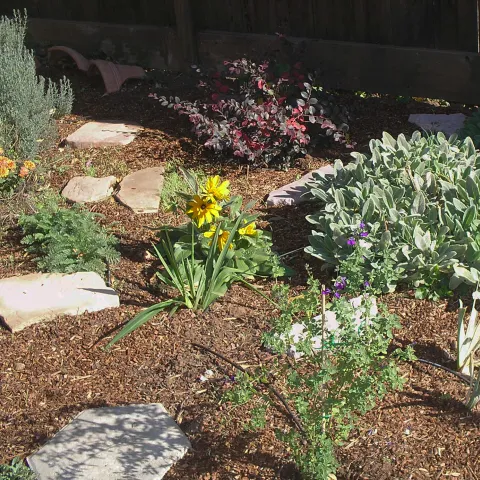
Drip lines and mulch conserve water in the ornamental garden. Laura Lukes
The Real Dirt: Article

Keeping Plants Alive When Water is Scarce

July 29, 2025
It hasn’t been a terrible summer, yet it’s been some time since we have seen rain in our area, and some of your plants may be suffering. While you might not be able to save them all, you can take precautions in your garden that will save the plants it makes sense to save, define your gardening priorities,…
View Article
Event

Climate and Land Access Listening Sessions

Event Date
Aug 6, 2025

We’re reaching out to invite you to a virtual listening session hosted by the Climate Action and Land Equity (CALE) Project. The CALE project is funded by California’s Department of Conservation through its Climate Smart Land Management Program. Its mission is to support historically…
View Event
Primary Image
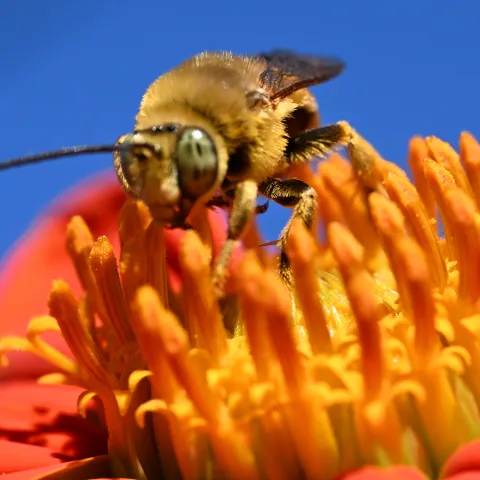
A longhorned bee on a Mexican sunflower, Tithonia rotundifola. (Photo by Kathy Keatley Garvey)
Bug Squad: Article

Rise Early to Greet a Male Longhorned Bee

July 29, 2025
By Kathy Keatley Garvey
 How can you capture a close-up image of a male longhorned bee, such as Melissodes agilis or Svastra  obliqua expurgata?Before the sun rises, slip out into the patch of flowers where you've seen them before. They will be sleeping or slighty stirring. (The females return to their nests at night,…
View Article
Event

Climate and Land Access Listening Sessions

Event Date
Aug 6, 2025

Hello UC ANR Colleagues,  We’re reaching out to invite you to a virtual listening session hosted by the Climate Action and Land Equity (CALE) Project. The CALE project is funded by California’s Department of Conservation through its Climate Smart Land Management Program. Its mission is to…
View Event
Primary Image
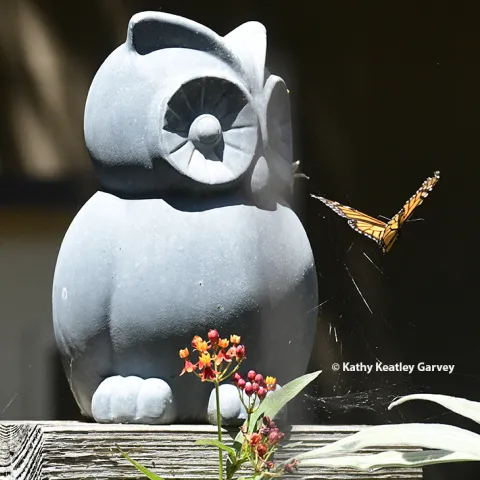
Monarch butterfly fluttering by a garden owl. (Photo by Kathy Keatley Garvey)
Bug Squad: Article

What a Hoot!

July 29, 2025
By Kathy Keatley Garvey
 Several years ago, a friend gifted us with some garden art, an owl. Its head does not rotate. Its wings do not move.  It does not scare away birds or squirrels. It does not scare away butterflies, either.Last week a monarch fluttered in our pollinator garden and quickly spotted a milkweed…
View Article
UC Master Food Preservers of Solano and Yolo Counties: Event

Solano County: Sourdough Starter Workshop

Event Date
Sep 26, 2025

Join the UC Master Preservers of Solano County in a workshop where you'll learn how to make your own sourdough starter using science-backed techniques.Discover the magic of naturally leavened bread in a hands-on Sourdough Starter DIY Workshop! Whether you're a complete beginner or a curious home baker, this…
UC Master Food Preservers of Solano and Yolo Counties
View Event