A Natural Solution for California's Herds: African Catfish Peptides

California's cattle producers and agricultural communities are all too familiar with the rising challenge of antibiotic resistance, making common bacterial infections harder to treat in livestock. But imagine a future where we could tackle these infections with a natural, powerful alternative. Our research points to just that: antimicrobial peptides (AMPs) found in African catfish.

We're really excited about these peptides because African catfish thrive in pathogen-rich freshwater, naturally producing these robust immune compounds in their skin mucus as a defense. This natural origin makes them highly appealing alternatives to synthetic drugs.

Predicted Safety and Potent Action

One of the most compelling aspects of these AMPs is their predicted safety for mammals. Our initial computer analyses suggest that various catfish AMPs are generally recognized as safe (GRAS). We predict they'll be absorbed in the human intestine without causing liver, brain, or heart toxicity. Furthermore, lab tests on a promising peptide, NACAP-II, confirmed it was non-hemolytic, meaning it didn't damage rabbit red blood cells—a strong indicator of its potential safety for mammalian cells.

Beyond safety, these peptides demonstrate effectiveness against problematic bacteria. One study revealed NACAP-II's strong activity against Extended-Spectrum Beta-Lactamase (ESBL)-producing Escherichia coli—a critical concern for both animal and human health due to its resistance to many common antibiotics. Another peptide, ACAP-IV, also showed antibacterial activity against E. coli and Staphylococcus aureus. We believe these AMPs work by directly disrupting bacterial cell membranes, a mechanism that makes it harder for bacteria to develop resistance compared to how they resist traditional antibiotics.
Primary Image
Agricultores de San Diego
Blog Verde: Article

Pozos y Ahorro de Agua, claves para la Agricultura Sostenible

July 8, 2025
By Diana Cervantes
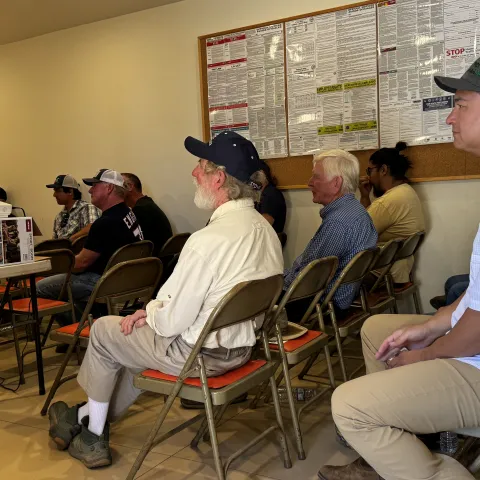
El 27 de junio, la sociedad aguacatera del norte de San Diego se reunió en Pauma Valley para tratar temas vitales para la agricultura en California: localización de pozos y ahorro de agua. Durante el seminario “Pozos y Bombas”, los productores aprendieron sobre técnicas para optimizar el uso del agua, buenas…
View Article
Primary Image
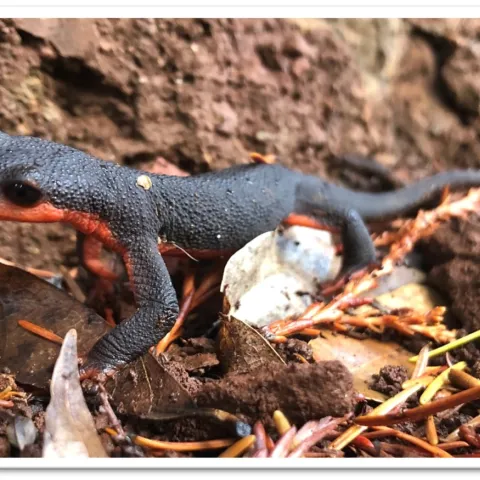
Newt
UC Environmental Stewards: Page

Sonoma County Regional Parks

This California Naturalist course focuses on the unique natural features of Sonoma County Regional Parks. It is designed to enhance public programs and outreach by certifying staff and interns through the Community Engagement division.Dates: October 29, 2025-March 28, 2026Fees: Free for employeesDelivery…
View Page
Stanislaus County: Event

UCCE Grape IPM Summer Meeting

Event Date
Aug 13, 2025

The Grape IPM Summer Meeting will bring together UC Cooperative Extension scientists and farm advisors to share research-based strategies for managing summer pest, disease, and climate stresses in California vineyards. Sessions will highlight integrated approaches to heat and sunburn mitigation, water and…
Stanislaus County
View Event
Primary Image
weevil on leaf
UC Master Gardener Program Statewide Blog: Article

Good Bugs, Big Impact: The Secret World of Biological Control (Part 2)

July 8, 2025
By Lindsey Hack
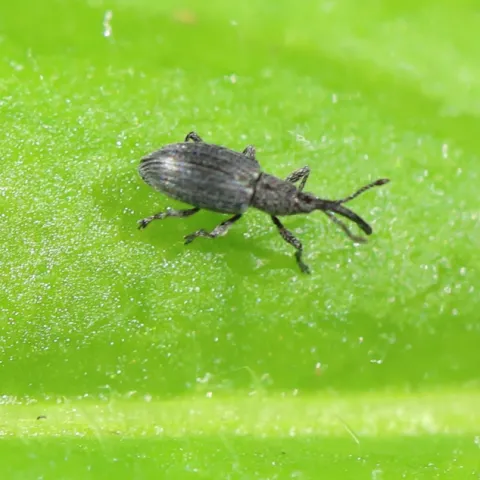
In Part 1 of this story, we covered some basics of biological control. Now let’s talk about some of the good bugs helping to control invasive pests in California. Controlling yellow starthistle one weevil at a timeYellow starthistle (YST) is a harmful invasive plant that is established and widespread in…
View Article
UC Environmental Stewards: Event

California Naturalist Course with All Hands Ecology

Event Date
Jan 8, 2026 - Apr 19, 2026

The California Naturalist Certification Course is a welcoming, community-centered program designed to connect people from all backgrounds with California’s natural environments. Whether you're reconnecting with a lifelong love of nature or just beginning to explore your curiosity about the natural world,…
UC Environmental Stewards
View Event
Primary Image
Coral Bells blooming. J. Alosi
The Real Dirt: Article

Native Plants for Shade

July 7, 2025
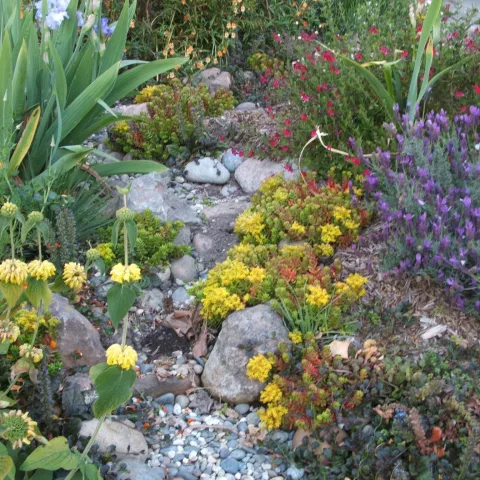
On our hot summer days, shady garden areas can offer welcome respite from the heat. One of the challenges of gardening in shade, though, is adding interest through color, because it can be difficult to find plants that bloom in shade. Incorporating native plants in your garden can greatly increase the…
View Article
Event Primary Image
1727291748
UC Master Gardeners of Monterey, San Benito & Santa Cruz Counties: Event

Replace your Lawn with Low-Growing California Natives

Event Date
Sep 27, 2025

It takes a lot of water, fertilizer, and time to maintain a lush green lawn. Learn how and what to replace your lawn with to improve your soil, reduce your water use and provide habitat for native plants and animals. Join Master Gardener volunteers as we share tips and techniques for removing and…
UC Master Gardeners of Monterey, San Benito & Santa Cruz Counties
View Event
Primary Image
Ranchman's tiger moth. (Photo by Kathy Keatley Garvey)
Bug Squad: Article

Like a Moth to a Flame...

July 7, 2025
By Kathy Keatley Garvey
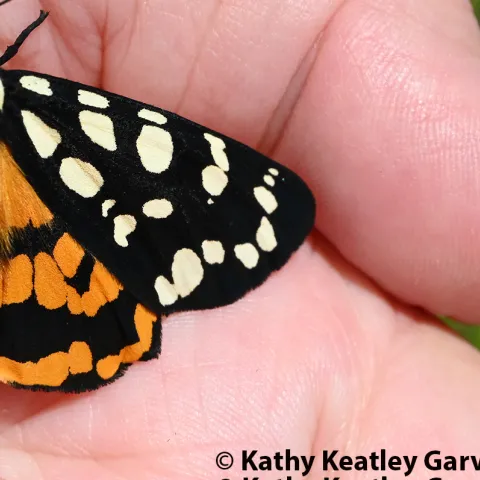
 Like a moth to a flame...That typifies the attraction of folks who plan to attend the Bohart Museum of Entomology's annual "Moth Night" on Saturday, July 12. The open house, set from 7 to 11 p.m., is free and family friendly. Just head over to Room 1124 of the Academic Surge Building, 455 Crocker…
View Article