A Natural Solution for California's Herds: African Catfish Peptides

California's cattle producers and agricultural communities are all too familiar with the rising challenge of antibiotic resistance, making common bacterial infections harder to treat in livestock. But imagine a future where we could tackle these infections with a natural, powerful alternative. Our research points to just that: antimicrobial peptides (AMPs) found in African catfish.

We're really excited about these peptides because African catfish thrive in pathogen-rich freshwater, naturally producing these robust immune compounds in their skin mucus as a defense. This natural origin makes them highly appealing alternatives to synthetic drugs.

Predicted Safety and Potent Action

One of the most compelling aspects of these AMPs is their predicted safety for mammals. Our initial computer analyses suggest that various catfish AMPs are generally recognized as safe (GRAS). We predict they'll be absorbed in the human intestine without causing liver, brain, or heart toxicity. Furthermore, lab tests on a promising peptide, NACAP-II, confirmed it was non-hemolytic, meaning it didn't damage rabbit red blood cells—a strong indicator of its potential safety for mammalian cells.

Beyond safety, these peptides demonstrate effectiveness against problematic bacteria. One study revealed NACAP-II's strong activity against Extended-Spectrum Beta-Lactamase (ESBL)-producing Escherichia coli—a critical concern for both animal and human health due to its resistance to many common antibiotics. Another peptide, ACAP-IV, also showed antibacterial activity against E. coli and Staphylococcus aureus. We believe these AMPs work by directly disrupting bacterial cell membranes, a mechanism that makes it harder for bacteria to develop resistance compared to how they resist traditional antibiotics.

Primary Image
Lippia_White Kurapia_Blooming_Banner-HVDB
UC Master Gardener Program of Contra Costa County: Article

Smart Watering, Beautiful Gardens: Lessons from UC Davis

July 1, 2025
By Hedwig L Van Den Broeck
Imagine walking through a vibrant, blooming garden in the heat of summer—where every plant is thriving, even though it’s been weeks since the last rainfall. Is this vision wishful thinking? Maybe not! Thanks to 20+ years of research by the University of California’s Landscape Plant Irrigation Trials (UCLPIT)…
View Article
UC Master Food Preservers of San Bernardino and Riverside Counties: Event

On-Line Ask a Master Food Preserver - August 2025

Event Date
Aug 13, 2025

Join the UCCE Master Food Preservers for a general Q&A session. A panel of volunteers will be available to answer your questions, share their tips and encourage you to safely preserve food at home.August is hosted by San Bernardino/Riverside County.  Volunteers will lead a brief…
UC Master Food Preservers of San Bernardino and Riverside Counties
View Event
Community Economic Development: Page

Needs Assessments

Understanding Local Priorities, Together What Is a Needs Assessment?A needs assessment is a structured process that helps communities, organizations, and educators identify the gaps between current conditions and desired outcomes. It asks the key question: “What do communities need, and how can those…
View Page
Article

This Month In The Garden – July 2025

June 30, 2025
By Loren Nelson
July! Getting hotter right? This week on In the Garden with UCCE Master Gardeners radio show, Teena and Katrina bring you another new monthly tips and tricks program with things to plan for this month of July.  Each month, we talk about the changing water requirements in your garden. More so this…
View Article
Primary Image
UC Davis Distinguished Professor Walter Leal
Bug Squad: Article

The Nobel Laureates and 'The Invisible Power of Academic Research'

June 30, 2025
By Kathy Keatley Garvey
 Federal funding of scientific research in our academic institutions is in jeopardy, but interest is swelling for the UC Davis-based webinar,  “Beyond the Headlines: The Invisible Power of Academic Research,” set from 1 to 3 p.m., Tuesday, July 1 (Pacific Time).Today UC Davis Distinguished…
View Article
Primary Image
Three men at the beach, each holding fishing poles and a fish
ANR Employee News: Article

In memoriam: Ken Tate

June 30, 2025
By Pamela S Kan-Rice
Kenneth W. Tate, UC Cooperative Extension specialist and professor in the UC Davis Department of Plant Sciences, died unexpectedly on June 5, 2025.
View Article
UC Master Food Preserver Coordinators: Document

General MFP Reappointment Timeline & Tasks

AprilSend email reminders to volunteers to catch up on logging hours(optional) Send paper letters to MFPs short on hoursSample mail merge letter & Excel data file on Coordinator WebsiteDecide how to handle insurance payments in your program: Individuals pay? Local program pays for all? Local program pays…
View Document
Event Primary Image
pink and white sweet pea flowers
UC Master Gardeners of Solano County: Event

Growing Sweet Peas

Event Date
Oct 11, 2025

Sweet peas are a classic garden favorite—fragrant, colorful, and perfect for cutting. Join the Master Gardeners to learn how to grow these charming blooms from seed to blossom. We’ll cover everything from soil prep and planting tips to trellising and care, so you can enjoy a bountiful display of these old…
UC Master Gardeners of Solano County
View Event
Event Primary Image
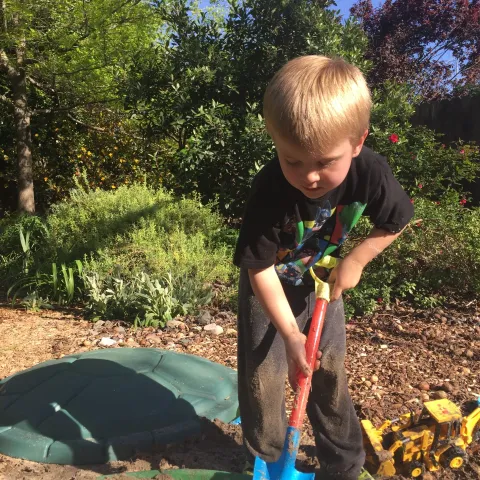
little blonde boy digging in with a shovel
UC Master Gardeners of Solano County: Event

Growing for and with Children

Event Date
Aug 9, 2025

Gardening with children is more than just planting seeds—it's about nurturing curiosity, wonder, and a lifelong connection to the natural world. Whether you're growing kid-friendly crops like snap peas, strawberries, or sunflowers, or creating a space where little hands can dig, water, and explore, the…
UC Master Gardeners of Solano County
View Event