A Natural Solution for California's Herds: African Catfish Peptides

California's cattle producers and agricultural communities are all too familiar with the rising challenge of antibiotic resistance, making common bacterial infections harder to treat in livestock. But imagine a future where we could tackle these infections with a natural, powerful alternative. Our research points to just that: antimicrobial peptides (AMPs) found in African catfish.

We're really excited about these peptides because African catfish thrive in pathogen-rich freshwater, naturally producing these robust immune compounds in their skin mucus as a defense. This natural origin makes them highly appealing alternatives to synthetic drugs.

Predicted Safety and Potent Action

One of the most compelling aspects of these AMPs is their predicted safety for mammals. Our initial computer analyses suggest that various catfish AMPs are generally recognized as safe (GRAS). We predict they'll be absorbed in the human intestine without causing liver, brain, or heart toxicity. Furthermore, lab tests on a promising peptide, NACAP-II, confirmed it was non-hemolytic, meaning it didn't damage rabbit red blood cells—a strong indicator of its potential safety for mammalian cells.

Beyond safety, these peptides demonstrate effectiveness against problematic bacteria. One study revealed NACAP-II's strong activity against Extended-Spectrum Beta-Lactamase (ESBL)-producing Escherichia coli—a critical concern for both animal and human health due to its resistance to many common antibiotics. Another peptide, ACAP-IV, also showed antibacterial activity against E. coli and Staphylococcus aureus. We believe these AMPs work by directly disrupting bacterial cell membranes, a mechanism that makes it harder for bacteria to develop resistance compared to how they resist traditional antibiotics.
Page

Black History Month Events

Black History Month, celebrated each February in the United States, recognizes the history, achievements, contributions, and experiences of Black communities throughout history and in contemporary society. The observance also provides an opportunity for reflection, education, dialogue, and engagement around…
View Page
Event Primary Image
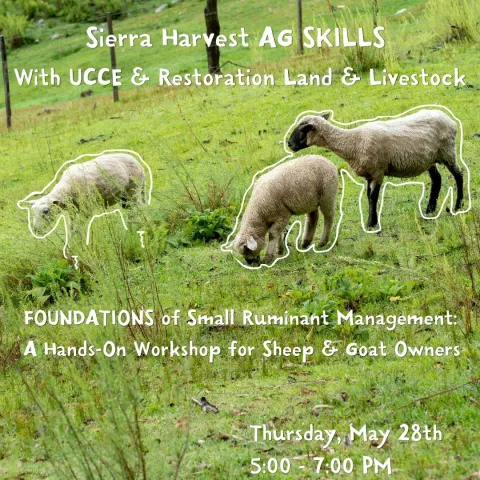
A flyer for an agricultural workshop featuring a background photo of three sheep—one larger with a black face and two smaller lambs—grazing in a lush green, hilly pasture with a wire fence in the distance. The sheep are highlighted with playful, hand-drawn white outlines. The text on the flyer reads: Top: Sierra Harvest AG SKILLS With UCCE & Restoration Land & Livestock Middle: FOUNDATIONS of Small Ruminant Management: A Hands-On Workshop for Sheep & Goat Owners Bottom Right: Thursday, May 28th, 5:00 –
Cooperative Extension, Sutter-Yuba Counties: Event

Small Ruminant Management Workshop

Event Date
May 28, 2026

Small Ruminant Management Workshop Join Andrea Warner (UCCE) and Jocelyn Brown (Restoration Land & Livestock) for a hands-on workshop covering the essentials of sheep and goat ownership and care.📅 Thursday, May 28, 2026 ⏰ 5:00 – 7:00 PM 📍 Nevada City, CA 🔗 Register: https://events.humanitix.com…
Cooperative Extension, Sutter-Yuba Counties
View Event
Page

Programs & Events

The Black and Allied Employees (BAE) group organizes and supports educational, reflective, and community-centered programming designed to foster dialogue, learning, well-being, and connection across UC ANR.Our programs create opportunities for employees, leadership, educators, allies, and community members…
View Page
Page

About BAE

The Black and Allied Employees (BAE) group is an officially recognized affinity group within the University of California Agriculture and Natural Resources (UC ANR). Established in 2019, BAE was created to foster community, support, and meaningful dialogue among employees across the organization.BAE exists…
View Page
Primary Image
Mature wheat plants growing in a field
SJC and Delta Field Crops: Article

Wheat Disease Observations

May 8, 2026
By Michelle M Leinfelder-Miles
This article describes wheat diseases that may have been observed during the 2025-26 growing season.
View Article
Primary Image
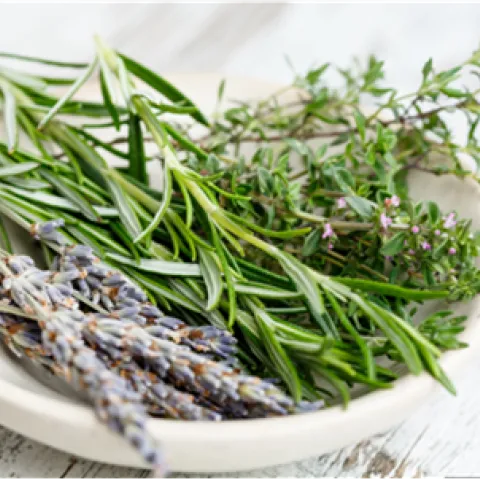
Fresh herbs in a white bowl including lavender, rosemary, and thyme.

Preserving Your Harvest: Herbs

May 8, 2026
By Kelly Q Hong
By:  Linda McClure, UCCE Master Food PreserverPreserving Herbs Fresh HerbsFresh herbs add amazing flavor, color, aroma, and nutritional value to so many recipes. The best time to preserve herbs is right before their flowers open. Flowering herbs can sometimes result in a bitter taste…
View Article
Youth Development Insights: Article

Achieving Meaningful Youth-Adult Partnerships

May 8, 2026
By Nicole K Marshall-Wheeler
Youth are an asset in our community which are often under-utilized – they’re a formidable and able group in communities who bring their own unique value to conversation and decisions. Choosing to intentionally include youth in leadership and decision making can be challenging, yet extremely rewarding for all…
View Article
Event Primary Image
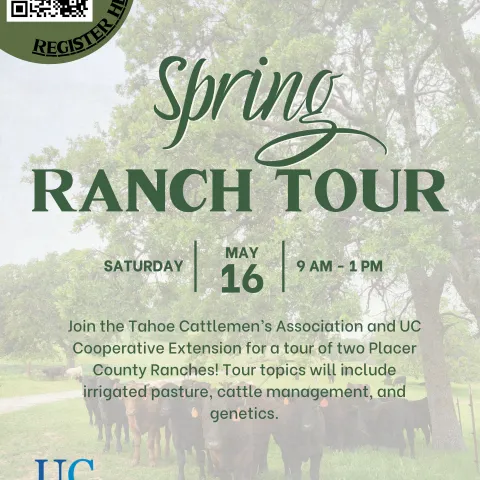
Spring Ranch Tour flyer taking place on May 16, 9am - 1pm.
Cooperative Extension, Sutter-Yuba Counties: Event

Spring Ranch Tour

Event Date
May 16, 2026

Spring Ranch Tour Hosted by UC Cooperative Extension and the Tahoe Cattlemen’s Association, this tour will feature visits to a cow-calf operation in Newcastle and a seedstock operation in Auburn. Topics include herd management, irrigated pasture systems, breeding, genetics, and more.📅 Saturday, May 16, 2026 …
Cooperative Extension, Sutter-Yuba Counties
View Event