A Natural Solution for California's Herds: African Catfish Peptides

California's cattle producers and agricultural communities are all too familiar with the rising challenge of antibiotic resistance, making common bacterial infections harder to treat in livestock. But imagine a future where we could tackle these infections with a natural, powerful alternative. Our research points to just that: antimicrobial peptides (AMPs) found in African catfish.

We're really excited about these peptides because African catfish thrive in pathogen-rich freshwater, naturally producing these robust immune compounds in their skin mucus as a defense. This natural origin makes them highly appealing alternatives to synthetic drugs.

Predicted Safety and Potent Action

One of the most compelling aspects of these AMPs is their predicted safety for mammals. Our initial computer analyses suggest that various catfish AMPs are generally recognized as safe (GRAS). We predict they'll be absorbed in the human intestine without causing liver, brain, or heart toxicity. Furthermore, lab tests on a promising peptide, NACAP-II, confirmed it was non-hemolytic, meaning it didn't damage rabbit red blood cells—a strong indicator of its potential safety for mammalian cells.

Beyond safety, these peptides demonstrate effectiveness against problematic bacteria. One study revealed NACAP-II's strong activity against Extended-Spectrum Beta-Lactamase (ESBL)-producing Escherichia coli—a critical concern for both animal and human health due to its resistance to many common antibiotics. Another peptide, ACAP-IV, also showed antibacterial activity against E. coli and Staphylococcus aureus. We believe these AMPs work by directly disrupting bacterial cell membranes, a mechanism that makes it harder for bacteria to develop resistance compared to how they resist traditional antibiotics.


4h kiddos
Site

Stanislaus County 4-H

ATTENTION 25-26 RETURNING VOLUNTEERS!!! NEW REQUIREMENT! YOU MUST BE FULLY ENROLLED (INCLUDING ONLINE COURSE) BY DECEMBER 1, 2025 or you will not be able to continue holding project meetings! Stanislaus County 4-H You can now submit your enrollment fees For the 2025-2026 Year via online…
View Site
4-H youth members smiling
Site

UCCE 4-H Program of Amador County

Welcome to the Amador County 4-H Program, we have approximately 170 youth enrolled in local 4-H programs and nearly 50 adult volunteers engaging youth in varied learning experiences. There are five clubs in the county.
View Site
Small Brook
Site

Groundwater Nitrate / SBX2 1 Project

Prepared by: Thomas Harter and Jay R. Lund (Principal Investigators) Jeannie Darby, Graham E. Fogg, Richard Howitt, Katrina K. Jessoe, G. Stuart Pettygrove, James F. Quinn, and Joshua H. Viers (Co-Investigators) Dylan B. Boyle, Holly E. Canada, Nicole DeLaMora, Kristin N.
View Site
Site

Fleet Operations

ANR uses various types of vehicles in its daily operations. These vehicles may be University-owned, leased, provided by our County partners, or acquired through the Federal Excess Property Program.
View Site
Forest and mountains
Site

Sierra Cascade Intensive Forest Management Research Cooperative

The mission of the Sierra Cascade Intensive Research Co-Op is to conduct applied reforestation and young stand management research from seed collection to the first commercial thinning focusing on intensive silviculture of conifer species and how they interact with their biotic and abiotic environme...
View Site
Oranges
Site

Asian Citrus Psyllid Distribution and Management

An Interactive Website for Asian Citrus Psyllid Management Growers Commercial Citrus How will the citrus grower manage the pest and disease in commercial groves? The deadly huanglongbing (HLB) is spreading in California and threatens commercial citrus production.
View Site
Vegetables
Site

UCCE Master Gardeners of San Bernardino County

Who are UCCE Master Gardeners? UCCE Master Gardeners are trained volunteers who provide unbiased information to the public. Areas of expertise include drought-resistant sustainable landscapes and food production in home, community and school gardens.
View Site
Primary Image
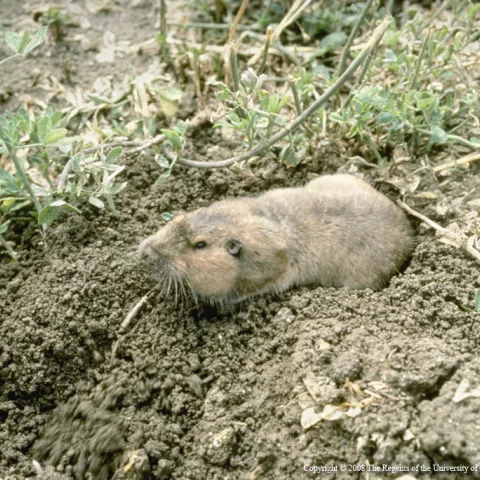
Adult pocket gopher. UC IPM Program

Serious Garden Pests: Voles, Moles, and Gophers

April 20, 2026
Unfortunately, springtime is prime time for the garden-damaging activities of moles, voles, and gophers. It’s an exasperating experience: you go to the nursery, pick out a flowering plant, shrub, or tree and bring it home only to have some critter harm or destroy it within the first week. Pest damage wastes…
View Article