A Natural Solution for California's Herds: African Catfish Peptides

California's cattle producers and agricultural communities are all too familiar with the rising challenge of antibiotic resistance, making common bacterial infections harder to treat in livestock. But imagine a future where we could tackle these infections with a natural, powerful alternative. Our research points to just that: antimicrobial peptides (AMPs) found in African catfish.

We're really excited about these peptides because African catfish thrive in pathogen-rich freshwater, naturally producing these robust immune compounds in their skin mucus as a defense. This natural origin makes them highly appealing alternatives to synthetic drugs.

Predicted Safety and Potent Action

One of the most compelling aspects of these AMPs is their predicted safety for mammals. Our initial computer analyses suggest that various catfish AMPs are generally recognized as safe (GRAS). We predict they'll be absorbed in the human intestine without causing liver, brain, or heart toxicity. Furthermore, lab tests on a promising peptide, NACAP-II, confirmed it was non-hemolytic, meaning it didn't damage rabbit red blood cells—a strong indicator of its potential safety for mammalian cells.

Beyond safety, these peptides demonstrate effectiveness against problematic bacteria. One study revealed NACAP-II's strong activity against Extended-Spectrum Beta-Lactamase (ESBL)-producing Escherichia coli—a critical concern for both animal and human health due to its resistance to many common antibiotics. Another peptide, ACAP-IV, also showed antibacterial activity against E. coli and Staphylococcus aureus. We believe these AMPs work by directly disrupting bacterial cell membranes, a mechanism that makes it harder for bacteria to develop resistance compared to how they resist traditional antibiotics.


Fair 2025
Site

4-H in San Mateo & San Francisco Counties

The University of California 4-H Youth Development Program serves youth and teens in 57 of 58 California counties through traditional clubs, after-school programs, state-wide leadership conferences and camps. As the largest, non-profit youth organization in the country, 4-H has a proven history of making…
View Site
header.png
Site - Statewide Program

California Project Learning Tree

Newsletter Sign Up Visit Our Twitter Page for More Current News Project Learning Tree uses trees and forests as windows on the world to increase students understanding of the environment and actions they can take to conserve it.
View Site
header.jpg
Site

At Second Street

Add suggestions that are applicable just to Second Street. Please consider if it's an issue that should be addressed at the monthly Town Hall before adding here. Request discussion on an emerging issue by the Second Street Space and Operations Committee.
View Site
UC Master Gardeners of Butte County Demonstration Garden and Outdoor Classroom
Site

UC Master Gardeners of Butte County

The UC Master Gardeners of Butte County provides workshops, gardening help, and research based advice to residents of Butte County. Help and training is available for educators, and plants that grow well in our area are highlighted in our demonstration garden.
View Site
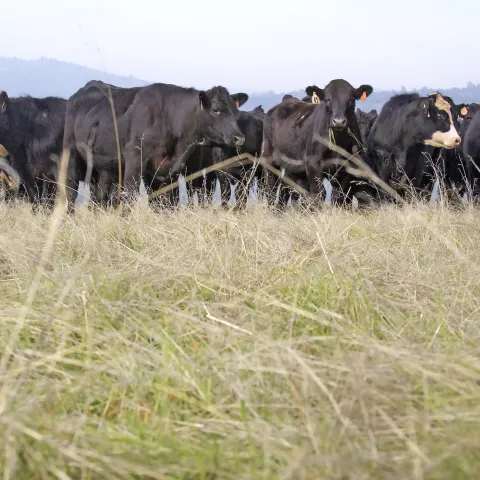
Angus grazing
Site

Livestock and Natural Resources

Our primary goal in preparing this site is to provide California's range and pasture livestock ranchers or managers with research-based information and publications on: California Agriculture journal, October - December 2012, Volume 66, Issue 4. Photo by Sarah E. Moffitt.
View Site
Site

Delta Crops Resource Management

The Delta Crops Resource Management research and extension program serves San Joaquin, Sacramento, Yolo, Solano, and Contra Costa counties addressing agronomic crop production and soil and water resource management.
View Site
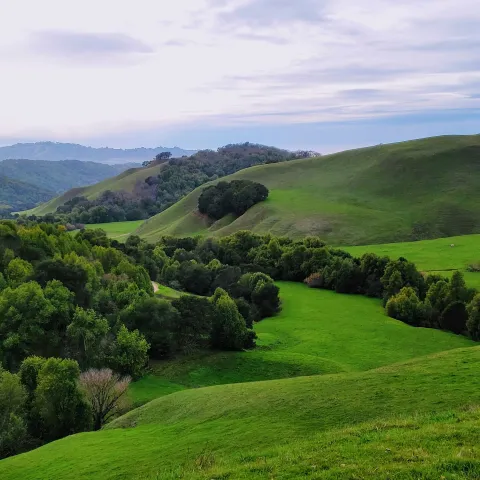
Green hills
Site

Hilgardia

Hilgardia was the primary technical publication of University of California Division of Agriculture and Natural Resources for 70 years, published from 1925 to 1995.
View Site
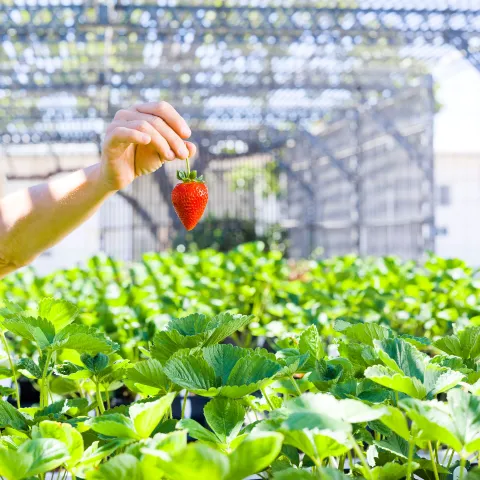
Strawberries
Site

Strawberry Disorders: Identification & Management

This bi-lingual UC website is designed to help growers and pest control advisors identify chemical injury as well as physical and physiological disorders associated with strawberry production. Illustrations and photographs depict disorders found in strawberry production fields.
View Site
header image
Site

Agriculture Ombudsperson

The Agricultural Ombudsperson is here to help agricultural producers navigate the permitting process, and facilitate meetings between the different county, state and federal agencies. The fact sheets outline regulatory requirements for the specified activity.
View Site