UC ANR is committed to providing an accessible and inclusive web experience for all users. If you encounter an accessibility barrier or need content in an alternative or remediated accessible format, please contact anraccessibility@ucanr.edu.
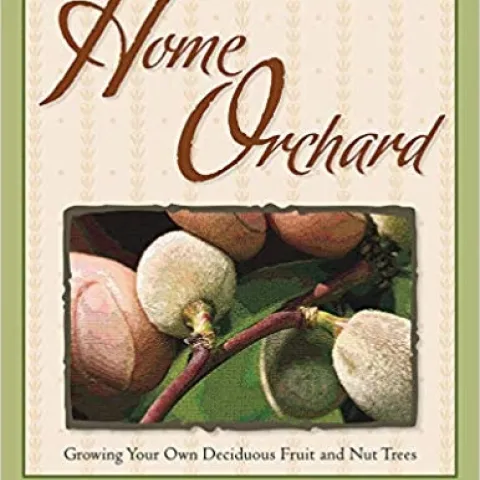
By Susanne von Rosenberg, UC Master Gardener of Napa County Have you been thinking about adding a fruit tree or two to your garden? December and January are the best times of year to plant deciduous fruit trees. (Citrus trees are best planted in late spring, after the threat of frost has passed.
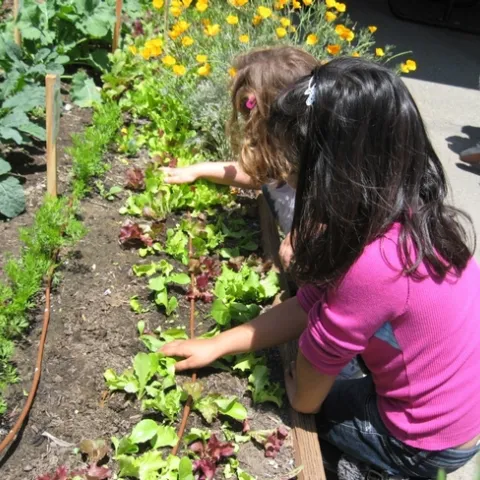
One of the ways the UC Master Gardeners of Butte County serve our community is through their School Gardens Program. Currently this program serves four schools, reaching 300 children a month in a total of twelve first-grade classrooms. (Before the Camp Fire, the program served eighteen classrooms).
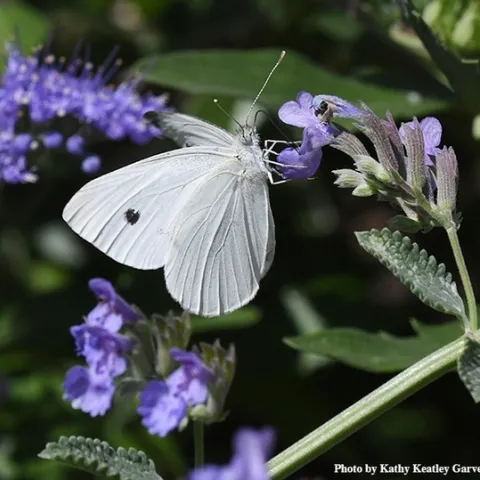
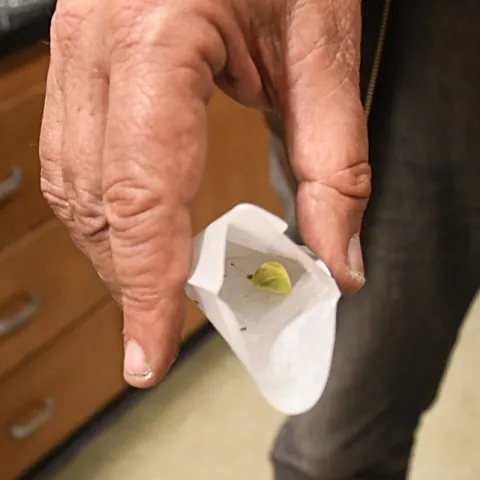
Suds for a bug? Get out your net! If you collect the first cabbage white butterfly of the year in the three-county area of Sacramento, Solano and Yolo, you'll win a pitcher of beer or its equivalent, compliments of Art Shapiro, UC Davis distinguished professor of evolution and ecology.
The Bohart Museum of Entomology is showcasing the innovative research of UC Davis evolutionary ecologist Leslie Saul-Gershenz, who studies how blister beetle nest parasites mimic the sex pheromone of digger bees.
Suds for a bug? Collect the first cabbage white butterfly of the year in the three-county area of Sacramento, Solano and Yolo and win a pitcher of beer or its equivalent, compliments of Art Shapiro, UC Davis distinguished professor of evolution and ecology.
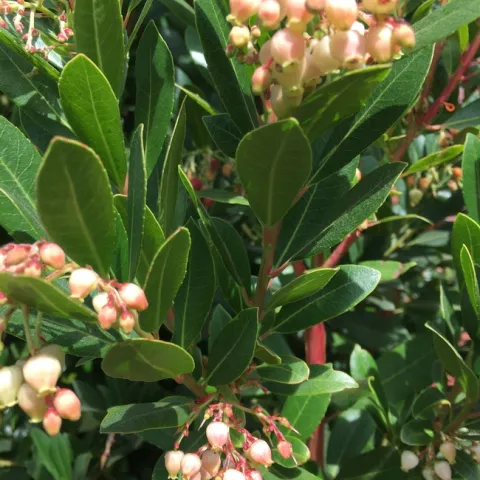
Strawberry Madrone By Leslie Stevens UCCE Master Gardener Arbutus Unedo Planting area: Sunset zones 7 - 24; USDA Hardiness Zones 8 11 Size: Moderate growth to 8 35 feet tall and wide Bloom season: Fall and winter Exposure: Full sun to partial shade Pruning Needs: Minimal pruning is needed except t...
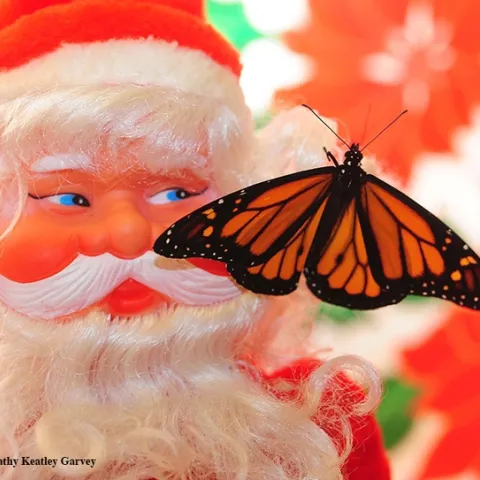
Our compact car gathers no reindeer antlers, no Rudoph nose, no Santa hat. Zero, zip, zilch, nada. Our HOUSE exudes Merry Christmas! but our CAR does not.
These critters can invade your house at just about anytime of the year it seems. And in the garden, they actually farm other pests such as aphids. Where you see one, you probably have the other.