It may not be the farmer's friend, but it's the beekeeper's friend. Wild radish (Raphanus raphanistrum), a member of the mustard family, Brassicaceae, is considered a weed, but I consider it a flowering plant for bees when I see it along roadsides and parks and lining orchards and vineyards.
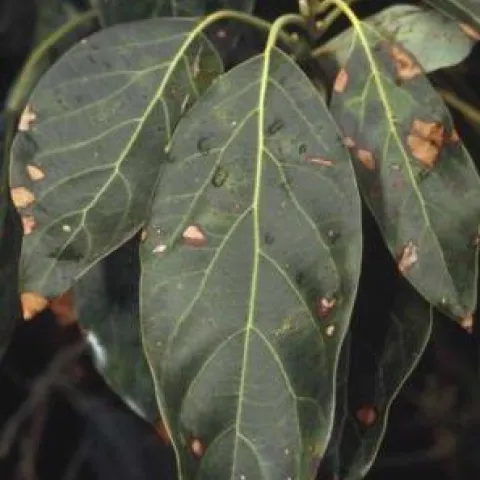
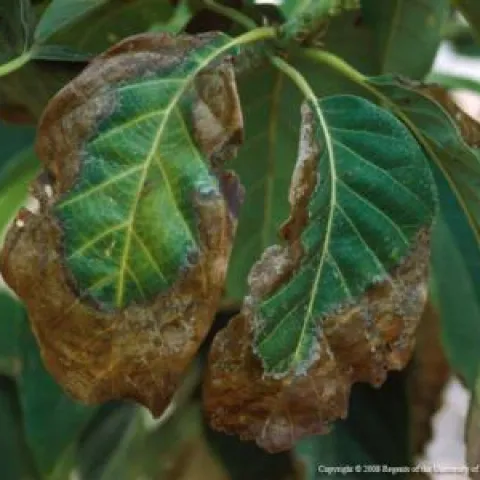
I recently went out to an avocado orchard on sandy soil that had had sudden leaf drop after a Santa Ana condition. The problem is that the orchard had had an ongoing leaf blight problem that had been accentuated by two years of drought and with the Santa Ana more pressure had been put on the trees.
From the UC Strawberries and Caneberries blog :: Sept. 11, 2013 Field bindweed, Convolvulus arvensis, also known locally as morning glory, is a persistent weed pest in blackberries grown on the Central Coast of the California.
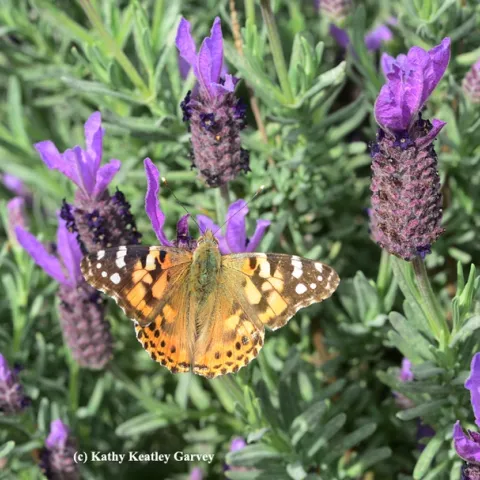
The painted ladies are on move. Butterflies. Scores of painted ladies (Vanessa cardui) are now migrating north from their overwintering sites near the U.S. Mexico border.
In this issue: Understanding & Managing Botryosphaeria and Phomosis canker and blight in Walnuts Field Meeting Training Young Walnuts: No Pruning/Pruning Compared Save the Date! Irrigation Scheduling & Drought Mgmt Strategies Meeting...
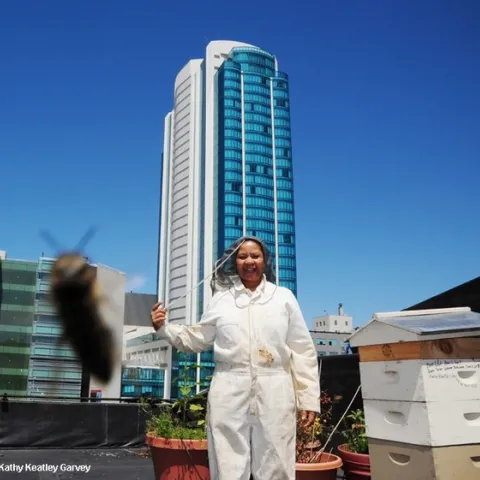
In recent years, honey bees received neither recognition nor respect until commercial beekeeper David Hackenberg of Pennsylvania/Florida sounded the alarm in 2006 about his missing honey bees.
From the Alfalfa & Forage News blog :: Oct. 25, 2013 Written by Michelle Leinfelder-Miles At the Alfalfa and Forage Meeting held at the Kearney Agricultural Center in September, we provided a demonstration of the co-existence of Roundup Ready (RR) and conventional alfalfa hay fields.
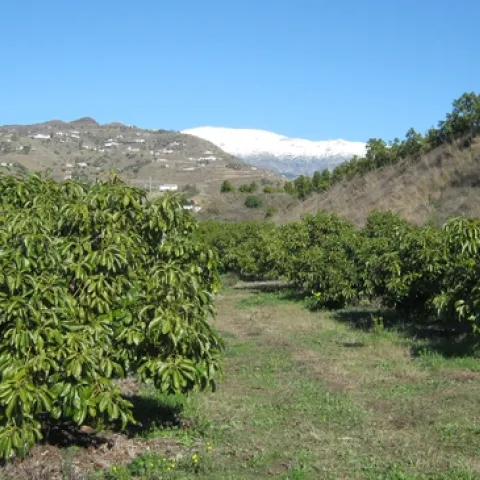
I recently traveled to the Malaga area of Spain where there is quite a bit of new planting going on. The industry celebrated its industry in 2002 with the World Avocado Congress and we saw a considerable expansion of the industry then and more has occurred since then.
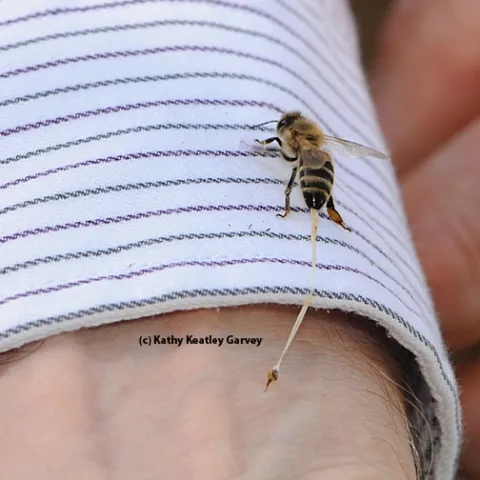
The Daily Mail, UK, recently reported a tragic case of a fatal bee sting that occurred in a back yard in Hampton, near Solihull, West Midlands, England. A honey bee apparently stung a 47-year-old father on his foot and he went into anaphylactic shock.