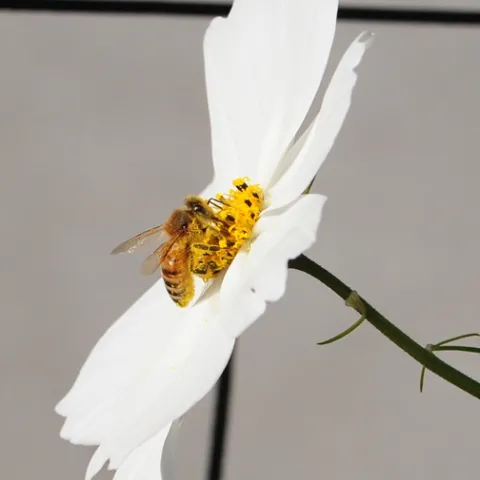
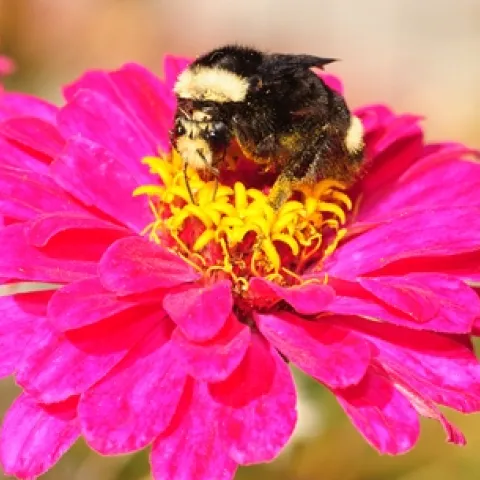
Oh, the fun-loving, sun-loving cosmos. A native of Mexico and a member of the sunflower family, Asteraceae, this plant brightens many a garden, attracting such pollinators as honey bees, bumble bees, sweat bees, hover flies and butterflies.
Historically if you wanted to know what soil type and the description for it, it was necessary to go to the library, NRCS office or Coop Extension office to find the soil survey.
If you like community gardens, then you'll want to visit the Avant Garden at the corner of First and D streets in Benicia. The Benicia Community Garden (BCG) signed a lease agreement in the fall of 2010 with Estey Real Estate to establish a downtown community garden.
Please fill out this short survey from researchers in UC San Diego. "We are conducting a short, 3-minute online survey in an effort to understand how different stakeholders perceive and define success in conservation.
Earlier this year, Lynn posted an explanation of herbicide modes of action and what that means for herbicide resistance management in orchards and vineyards. I thought to myself "Self, we should put this in a table so it would be easy to understand".
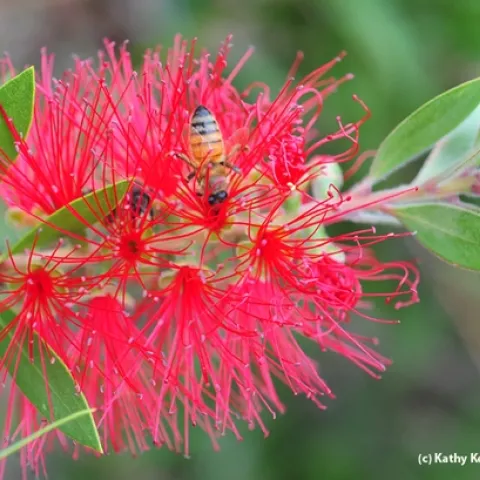
If you plant a bottlebrush in your yard, you'll experience a brush with kindness. This time of year there's not much food for honey bees to eat. Bottlebrush, in the genus Callistemon and family Myrtaceae, fits the bill. We captured this image Oct.
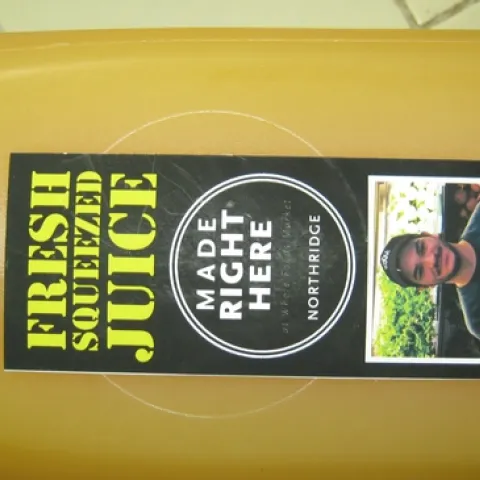
It can't be any more local than this. This is a juice container with the image and name of the person who has personally juiced your oranges right in front of you. This is almost the ultimate in branding for a locally produced product.
There's no doubt about it. Honey bee guru Eric Mussen, Extension apiculturist with the UC Davis Department of Entomology and Nematology since 1976 and an upcoming retiree, will be "roasted" at the California State Beekeepers' Association conference, to be held Nov 19-21 at Lake Tahoe, Nev.
Lots of exciting sharing this week! A new high-resolution global map of forest loss and gain has been created with the help of Google Earth. The interactive online tool is publicly available and zooms in to a remarkably high level of local detail - a resolution of 30m.
Abstract: Reduction in herbicide use in non-agricultural areas is being imposed by a growing number of governments, triggering the development of alternative strategies for weed prevention and control.