UC ANR is committed to providing an accessible and inclusive web experience for all users. If you encounter an accessibility barrier or need content in an alternative or remediated accessible format, please contact anraccessibility@ucanr.edu.
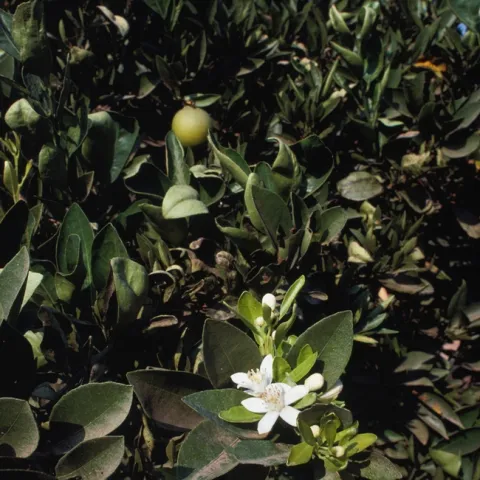
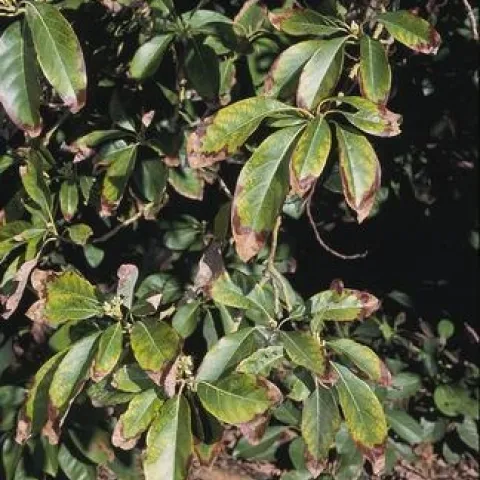
USDA-ARS National Clonal Germplasm Repository for Citrus & Dates Stubborn disease of citrus was first observed about 1915 in Washington navel trees nearRedlands. The first report of stubborn from outside ofCaliforniawas fromPalestinein 1928.
It's truly amazing how the study of insect biology can lead to research that may benefit humankind. Take entomologist Bruce Hammock, distinguished professor of entomology at the University of California, Davis.
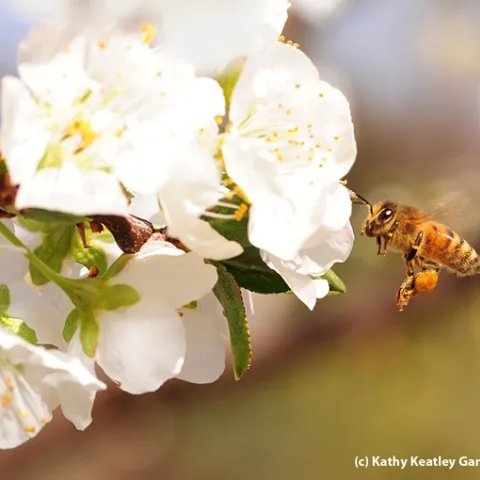
Ever watched an in-flight honey bee packing her load of pollen? A foraging bee carries her ball-like load of pollen on her hind legs and continually moistens it with a little nectar. The size and shape changes as she works.
The University of California is in the process of hiring a Cooperative Extension Rice Specialist. Two applicants have been selected as final candidates, and as part of the interview process, they will be giving an Extension Seminar.
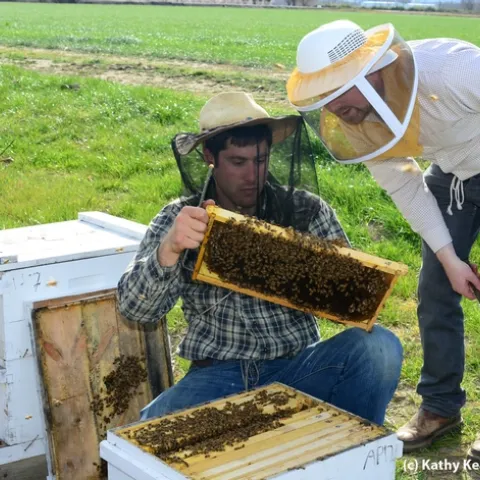
It was a gorgeous day to be out in an almond orchard. Staff research associate Billy Synk of the Harry H. Laidlaw Jr. Honey Bee Research Facility, University of California, Davis was out tending the research bees earlier placed in two Dixon almond orchards.
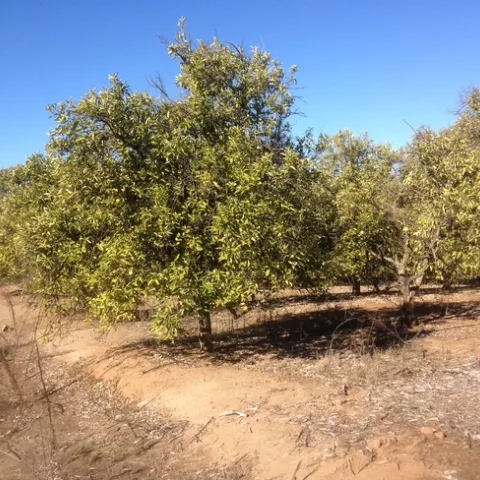
High priced district water in San Diego County is really making it tough on citrus growers. Many of the citrus growers in San Diego County are finding it increasingly difficult to make a profit, but they usually stick it out for several years before they turn the water off.
Eager to experience a one-on-one training and mentorship that you'd normally find only in a small liberal arts college? Want to develop skills that will make your application to graduate school, medical school or veterinary school really stand out from the crowd?
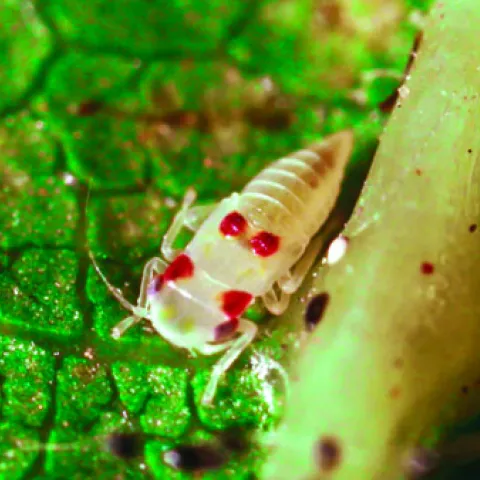
Nymph of the Virginia creeper leafhopper (VCLH), Erythroneura ziczac. It is a new invasive pest on grapes. (Photo by Mike Poe, UC IPM) The influx of invasive species has been on the rise in the last decade.
Saline Waters - A Growing Problem Ben Faber Irrigated agriculture must always contend with salts, but two years without rain and a dry winter forecast, salt is an even more important issue. We rely on winter rainfall to leach the salts from root zones that have accumulated from previous irrigations.