
Ongoing research

Event Primary Image
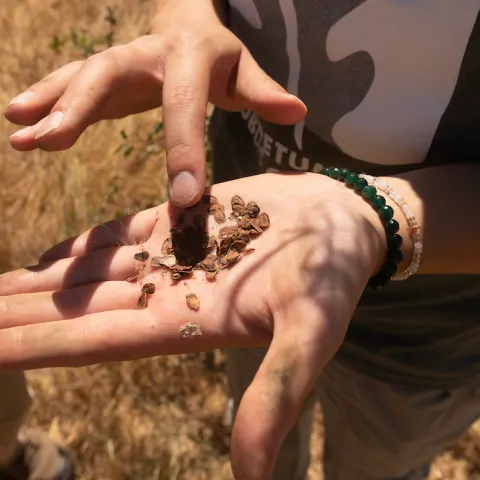
Seeds in palm of hand
UC Master Gardener Program of Yolo County: Event

Gardening for Year Round Meals: It’s Time to Plant Seeds!

Event Date
Sep 13, 2025

Looking forward to harvesting carrots, radishes, beets, lettuces, kale, chard and collards this winter? Now is the time to plant your seeds.  UC Master Gardener of Yolo, Karen Slinkard will share tips for sowing seeds successfully when it’s still hot during a free, hands-on workshop at Davis United…
UC Master Gardener Program of Yolo County
View Event
Primary Image
Microscopes from the California Master Beekeeper Program. (Photo by Kathy Keatley Garvey)

Addison to the Bee: 'Be Safe'

August 25, 2025
By Kathy Keatley Garvey
 When the UC Davis-based California Master Beekeeper Program (CAMBP) interacts with children at various events, they hope to make a difference.At the Vacaville Museum Guild's annual Children's Party. held recently in the Vacaville Museum on Buck Avenue, Vacaville, they did just that.We just received a…
View Article
Event Primary Image
Free Expert Advice
UC Master Gardener Program of Yolo County: Event

Lowe’s Question-and-Answer Table

Event Date
Sep 6, 2025

Bring your gardening questions to the UC Master Gardeners of Yolo County question-and-answer table outside the nursery doors at Lowe’s, 2250 Lake Washington Blvd., West Sacramento, from 10 to noon on Saturday, Sept. 6.Master gardeners staff this table the first and third Saturdays of each month.You can…
UC Master Gardener Program of Yolo County
View Event
ANR Employee News: Article

Learning & Development: AI landscape, food waste, civic engagement, effective impact statements, new aggie enterprise sys, conflict competence, teamwork

August 25, 2025
By Jodi L Azulai
Learning & DevelopmentLanding page | Archived webANRs | Learning resources Extension Methods & Delivery Building Support   Equity, Diversity, & Inclusion Office, Team, and Personal Development EXTENSION METHODS & DELIVERYHelping the Extension Community Navigate the Emerging AI…
View Article
Event Primary Image
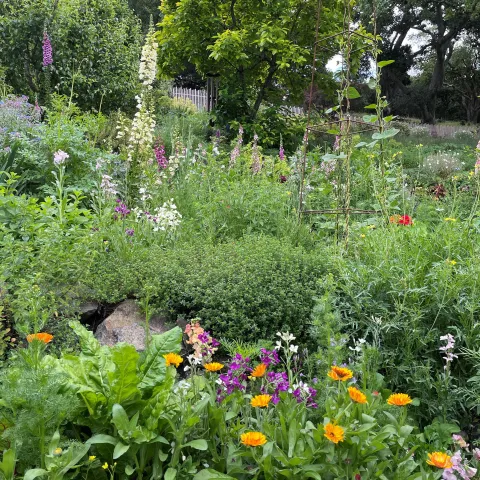
Nasturtiums, violas, and calendula tucked in with edible greens and herbs
UC Marin Master Gardeners: Event

Rethinking the Lawn

Event Date
Nov 12, 2025

Program: In this presentation, you will learn why lawns are not eco- friendly, watch a short video that shows the best method to easily eliminate one, and discover how to decide the best use for the space. We will discuss the latest in walkable green plants, plus a host of other possibilities that will…
UC Marin Master Gardeners
View Event
Event Primary Image
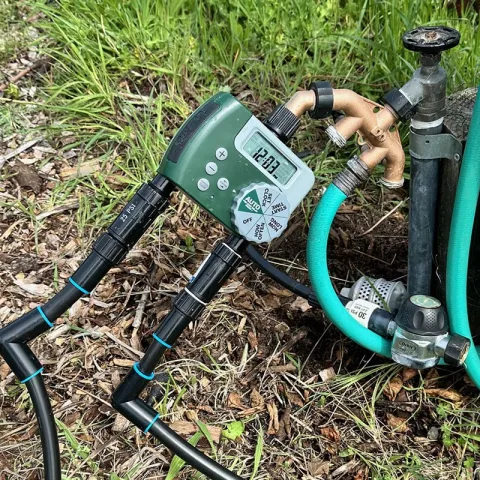
irrigation setup
UC Marin Master Gardeners: Event

Updating and Repairing an Existing Irrigation System

Event Date
Oct 18, 2025

Program: Keep your irrigation system in top shape with our class on updating and repairing existing setups. This hands-on session will dive into troubleshooting techniques and maintenance strategies for common issues encountered in irrigation systems. You'll learn how to identify worn components, implement…
UC Marin Master Gardeners
View Event
Event Primary Image
honeybee
UC Marin Master Gardeners: Event

Habitat Gardening: Bring Birds, Bees & Butterflies to Your Yard

Event Date
Oct 4, 2025

Program: A habitat is a place where wildlife such as insects, herps, birds, and even mammals can find food, water and shelter. But wild habitats are decreasing at an alarming rate, having a serious negative effect on wildlife populations everywhere. Learn how you can help reverse this trend by using plants,…
UC Marin Master Gardeners
View Event

Managing yellowjackets in your garden
Primary Image
Yellowjacket
Body
Yellowjacket
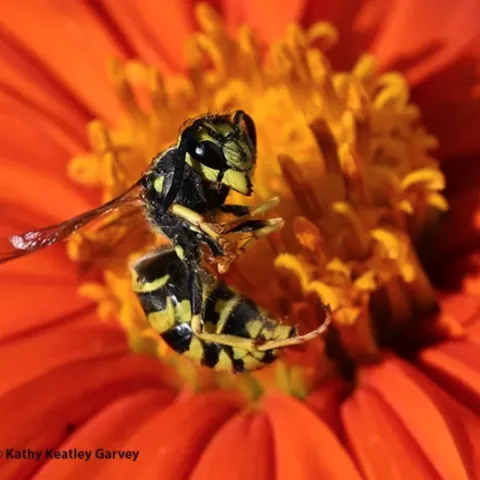
Yellowjackets are shinier than Honeybees and have yellow and black markings all over their bodies, including the legs. Photo: Kathy Keatley Garvey

Ah, summertime in Marin! Long, sunny days, backyard barbecues, and—unfortunately—those uninvited guests at the picnic table: yellowjackets. These striped speedsters seem to have an uncanny knack for sniffing out your sandwich and making a beeline for your lemonade. But before you reach for the swatter, let’s take a step back and consider the bigger picture. Yellowjackets aren’t just party crashers—they’re also hardworking members of our local ecosystem.

Yellowjackets (Vespula spp.) are often mistaken for honeybees, but they’re actually wasps, and they play an important role in nature. As predators, they help keep populations of garden pests like caterpillars and aphids in check. And while they’re not as famous for pollination as bees, they do contribute by feeding on nectar and transferring pollen as they zip from flower to flower.

That said, no one wants a yellowjacket nest under the deck or an aggressive swarm near the picnic table. Unlike honeybees, which die after stinging, yellowjackets can sting multiple times, making them a painful problem when they set up shop too close for comfort. Fortunately, there are ways to manage these feisty fliers while still respecting their ecological role.
honeybee
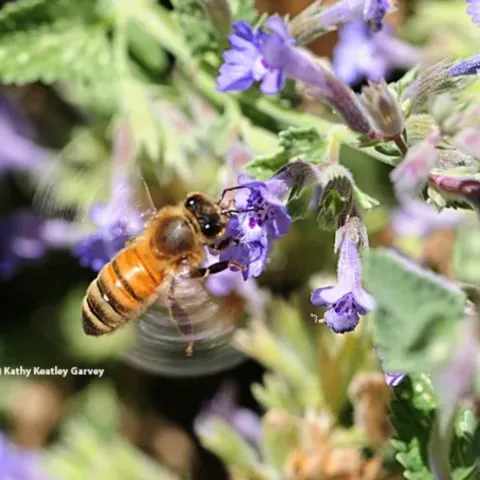
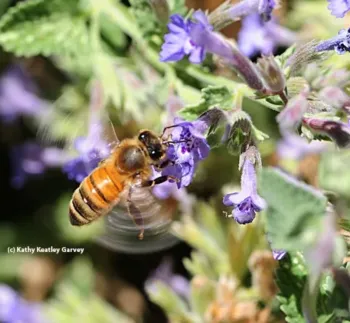
Honeybees have a furry appearance, and the yellow and black stripes are only on their abdomen. Photo: Kathy Keatley Garvey
Keep Yellowjackets from Moving In

The best way to deal with yellowjackets is to keep them from settling in your yard in the first place. Here are a few earth-friendly strategies recommended by the University of California’s Integrated Pest Management Program (UC IPM):

  • Seal up food sources. Yellowjackets are scavengers, so keep trash cans tightly sealed and promptly clean up food scraps from outdoor meals.
  • Limit sugary drinks. Open soda cans and juice boxes are like yellowjacket magnets. Use cups with lids and straws to cut down on their attraction.
  • Check for early nests. In spring, queens start new colonies. Look under eaves, in tree hollows, and around wood piles for small golf-ball-sized nests, which can often be removed safely before they grow. A common location for yellow jacket nests is underground, often in abandoned rodent burrows or other cavities. These are harder to find.
  • Use yellowjacket traps wisely. Traps can help reduce numbers, but won’t eliminate a colony. If using them, place them away from eating areas to draw wasps elsewhere.
yellowjacket nest
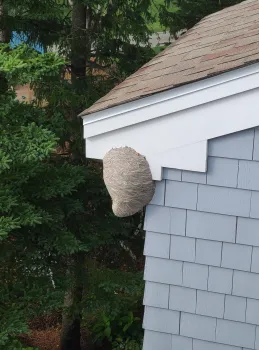
Nests can be aerial and are made from a papery substance produced by the yellowjackets, who chew on fibers from wood or dead plants and mix them with their saliva. Many nests are underground. Photo: wikicommons 
When You Have a Nest Problem

If yellowjackets have already built a nest in a high-traffic area, removal may be necessary—but not a DIY job! These insects defend their nests aggressively, and disturbing them can result in multiple stings. That’s where the Marin/Sonoma Mosquito and Vector Control District comes in. This free public service will assess and remove yellowjacket nests on residential properties, keeping you and your neighbors safe without harming the environment.

Natural Alternatives to Chemical Controls

Manage yellowjackets organically. Here are some safe methods:

  • Soapy water spray. A simple mix of dish soap and water can be an effective way to neutralize a small aerial nest when applied at dusk or dawn (but again, proceed with caution!).
  • Meat traps and Sugar Traps. Yellowjackets undergo a dietary shift as summer transitions to fall. In the early months, they hunt protein—such as insects and meat—to feed their developing larvae. However, as the colony matures and fewer larvae need feeding, adult yellowjackets pivot to a sugar-rich diet, seeking out ripe fruit, nectar, and even your soda can. A well-placed trap baited with fish or meat earlier in the summer, and then with a sugary lure in late summer, can help manage their numbers effectively.
  • Keep compost bins covered. Rotting food attracts yellowjackets, so ensure your compost bin is secured.
Coexisting with Nature

At the end of the day, yellowjackets are just trying to do their job in the grand scheme of the garden. They may be a nuisance at times, but they also help maintain balance in our local ecosystem. By taking simple preventative measures, using environmentally friendly control methods, and calling in expert help when needed, we can all enjoy our summer gardens—without too many uninvited guests buzzing around our burgers.

For more information on yellowjacket management, check out UC IPM’s website (ipm.ucanr.edu) or contact the Marin/Sonoma Mosquito and Vector Control District for assistance.

By James Campbell, August 23, 2025
UC Marin Master Gardeners
Primary Image
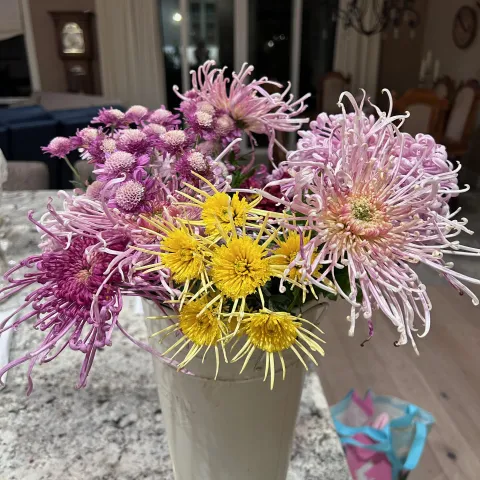
Photo of a bouquet with a variety of chrysanthemums from the garden.
The Savvy Sage: Article

Getting Acquainted with Heirloom Chrysanthemums

August 25, 2025
By Deborah Cunningham
 Article and photos by Pam McCabe - In September, potted or florist chrysanthemums (mums for short) start appearing in supermarkets and garden centers in hues of yellow, orange, brown, and burgundy. They are meant to be used for seasonal décor and discarded at the end of the season. They may…
View Article
Primary Image
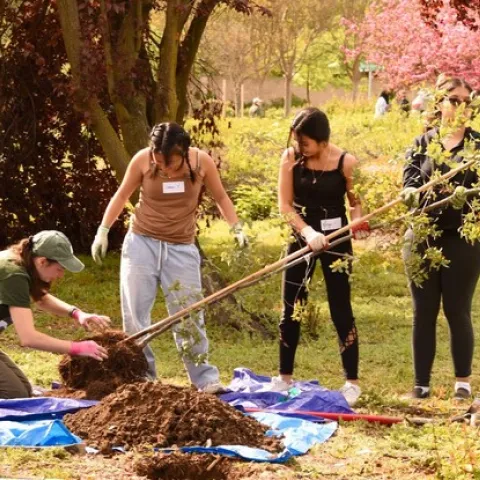
Photo of Tree Davis volunteers during a community tree planting event
The Savvy Sage: Article

Tree Davis: Creating a Sustainable Tree Canopy for Yolo County’s Future

August 25, 2025
By Deborah Cunningham
 Article by Lorie Hammond - As you walk Yolo County’s tree-lined streets, parks, and bike paths, you might take them for granted, with no notion of how they got there or are maintained. The purpose of this article is to laud the work of Tree Davis, a non-profit organization whose members have…
View Article