UC ANR is committed to providing an accessible and inclusive web experience for all users. If you encounter an accessibility barrier or need content in an alternative or remediated accessible format, please contact anraccessibility@ucanr.edu.
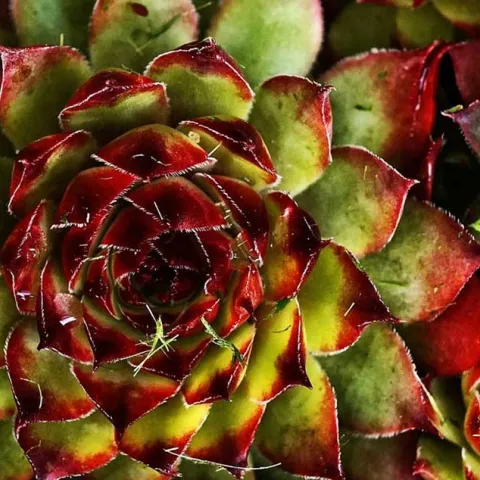
Succulents are such an easy plant to grow, both in the garden and in pots. UC Master Gardeners of Orange County will discuss the history and origin of succulents, their care and feeding and propagation. The presentation also covers pests and diseases and recommended remedies. Learn the variety of ways…
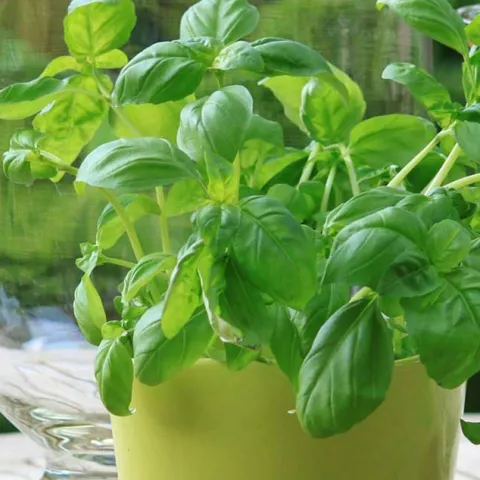
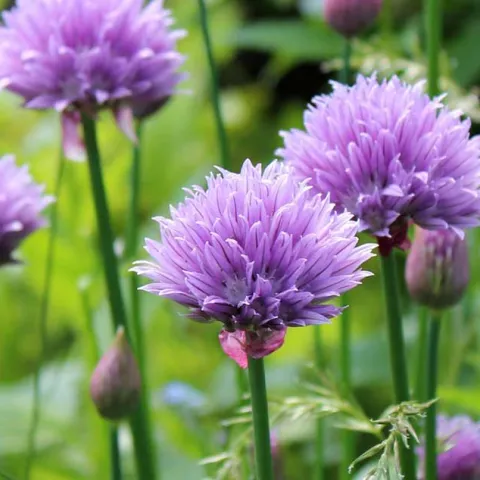
Imagine being able to harvest herbs as you need them right outside your kitchen door . . . or even from your kitchen counter. Learn about growing herbs in containers – even in a pumpkin! – for use in cooking or for enjoyment in your garden. From the mundane to the exotic, UC Master Gardeners of…
Let’s face it. We live in a climate where water has been and will continue to be an issue. This presentation covers gardening in the Southern California Mediterranean climate and UC Master Gardeners of Orange County will provide tips for designing and planning the drought tolerant garden including steps…
Imagine being able to harvest herbs as you need them right outside your kitchen door . . . or even from your kitchen counter. Learn about growing herbs in containers – even in a pumpkin! – for use in cooking or for enjoyment in your garden. From the mundane to the exotic, UC Master Gardeners…
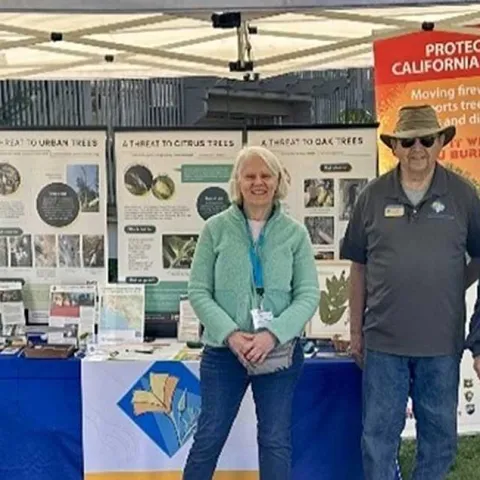
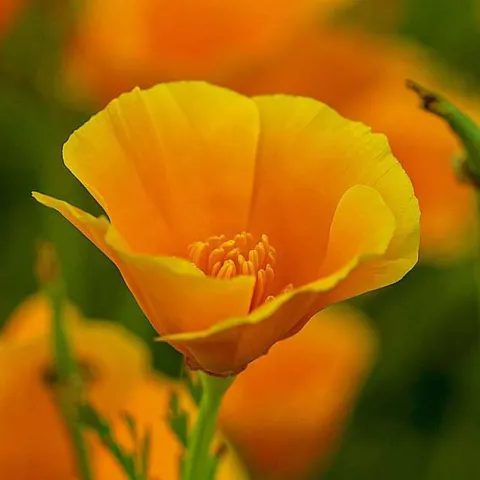
Representatives of the Master Gardeners of Orange County will be on hand to discuss this week’s topic, "California Native Plants - Supporting Native Wildlife,“ to answer gardening questions and explain the benefits of native plants in your local garden.UC Master Gardeners will be giving away live California…
Imagine being able to harvest herbs as you need them right outside your kitchen door . . . or even from your kitchen counter. Learn about growing herbs in containers – even in a pumpkin! – for use in cooking or for enjoyment in your garden. From the mundane to the exotic, UC Master Gardeners…
An English Garden in sunny Southern California? Oh, no! Let’s go native and get the same effect. UC Master Gardeners of Orange County will show you how to have a garden featuring California Native plants that will rival any other location in color, variety and beauty. All this while reducing water…
Driving DirectionsAlameda County Office Building 224 W Winton Ave, Suite 134 Hayward, CA 94544Find us on Google Maps From the South (via I-880 North):Take I-880 North toward Oakland. Take Exit 27 for Winton Avenue. Turn right onto W. Winton Avenue and continue for approximately 0.5 miles. The office is…