Ongoing research

UC Master Food Preservers of Central Sierra: Article

Preserve it! Series: Prevent Botulism with Proper Canning Procedures

May 6, 2026
Low acidity, a lack of oxygen, moisture and moderate temperatures are a perfect storm for toxin production.   Home canning is about more than creating a quality, shelf-stable product. When it really comes down to it, the home canning process is about making a safe product. That goal entails…
View Article
UC Master Food Preservers of Central Sierra: Article

Preserve it! Series: How to Keep Your Pies Food Safe

May 6, 2026
Storage guidelines for homemade and commercial pies.  Whether you’re cranking out all the pies for the winter holidays (and are then faced with the question of where to keep them all), or you are making a single beautiful pie to bring to a hot summer gathering, keep your pies food safe with these…
View Article
UC Master Food Preservers of Central Sierra: Article

Preserve it! Series: How to Use Honey When Canning Fruit

May 6, 2026
It's easy to replace a portion of sugar with honey. Whether you want to use less refined sugar, don’t have quite the amount of sugar called for in a recipe,  or just would like to add the flavor of honey in your preserved fruit products, it’s very easy to substitute a portion of the sugar for honey…
View Article
UC Master Food Preservers of Central Sierra: Article

Preserve it! Series: Prevent Browning by Pre-Treating Fruit before Canning

May 6, 2026
Keep your canned fruit looking light and fresh. Many light-colored fruits, as well as the stem-ends of cherries and grapes, can discolor and darken when exposed to oxygen. To retain good color and flavor when canning fruit, use high-quality fruit at the proper maturity, and place prepared (peeled,…
View Article
UC Master Food Preservers of Central Sierra: Article

Preserve it! Series: Pumpkin Butter is Unsafe for Canning

May 6, 2026
There are no safe methods for home canning pumpkin butter. Pumpkin butter is a delicious autumn fruit spread that many folks love to preserve and sometimes give as gifts for the holidays. While canning pumpkin butter was once common, decades ago scientific studies found safety issues with the home…
View Article
Program Support Unit: Page

Contact Us

General Contact InformationProgram Support Unit 2801 Second Street Davis, CA 95618 Phone: (530) 750-1361 Fax: (530) 756-1179 Email: anrprogramsupport@ucanr.eduAlready know what you need? Fill out our PSU Request FormMeet Our TeamInternal, Research & Programmatic Events    Maya Maniar…
View Page
UC Master Food Preservers of Central Sierra: Article

Preserve it! Series: How to Handle Raw Eggs Safely

May 6, 2026
Proper handling and preparation of eggs are important for safety.  Eggs are a wonderful, nutritious food that come so conveniently packaged in their own individual shells. But raw eggs can harbor Salmonella – both on the shell itself and inside the egg, too. Egg shells can be contaminated from…
View Article
UC Master Food Preservers of Central Sierra: Article

Preserve it! Series: Just Say "No" to Eating Raw Batter & Dough

May 6, 2026
Be safe when handling raw flour Flour is, generally speaking, a raw agricultural product which has not undergone any treatment to kill pathogenic bacteria – such as E. coli and Salmonella – that can cause foodborne illness.  Several disease outbreaks associated with flour and flour products …
View Article
Primary Image
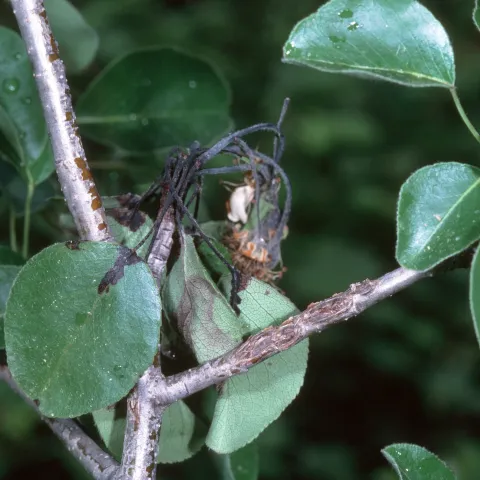
Black, wilted blossoms affected by fire blight on a fruit tree.

Look Out for Fire Blight!

May 6, 2026
By Belinda Messenger-Sikes
A warm March followed by rain in April and May in many parts of California has set up the perfect conditions for the development of an unsightly and damaging tree disease called fire blight. Pome fruit trees like pear and apple, and other related trees like pyracantha, are all susceptible to this bacterial…
View Article
UC Master Gardeners of Fresno County: Document

The Perennial Garden

The Perennial GardenEXTERNAL IMAGEThe Perennial Garden is a showcase for hardy, drought-tolerant plants that grow well in Fresno area gardens with average care. They are able to thrive in spite of the Valley's challenging growing conditions: Full sun, summer heat and aridity, winter frost and fog, alkaline…
View Document