
Vegetable Gardening - Handbook for Beginners
Chapter 3.4.
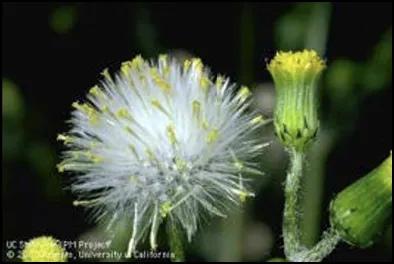
Weeds compete with crop plants for sunlight, water, and nutrients, so their growth must be limited to obtain a reasonable yield of any food crop. In vegetable planting, weeds can quickly shade out young crop plants as well as rob the soil of nutrients and water, so weed control is essential, especially when the crops are young. However, many weedy species can provide benefits in the garden or farm, such as providing food and shelter for insect predators and parasites. Before you plant, prepare the soil to encourage a healthy, vigorously growing crop. The primary methods for weed control in vegetable plots include prevention, hand weeding, mulching, solarization, and—only as a last resort—herbicides.
Soil solarization is an excellent method for reducing some weed seeds and soilborne diseases. Solarizing involves leaving a clear plastic tarp on the soil surface for 4 to 6 weeks during the hottest part of the year. Soil solarization works well in warm growing areas and may be ineffective in foggy, low-light, or low-temperature areas. To reduce annual weeds, irrigate the area after final grading to encourage weeds to emerge. While the weeds are still small, scrape the weeds away. Then repeat this process three times. For more information, visit http://ipm.ucanr.edu/PMG/menu.homegarden.html.
Previous ← Chapters → Next or Return to the Table of Contents of this Handbook.