Project Board Help

Test PB Collection: FTE

Test dynamic

Primary Image
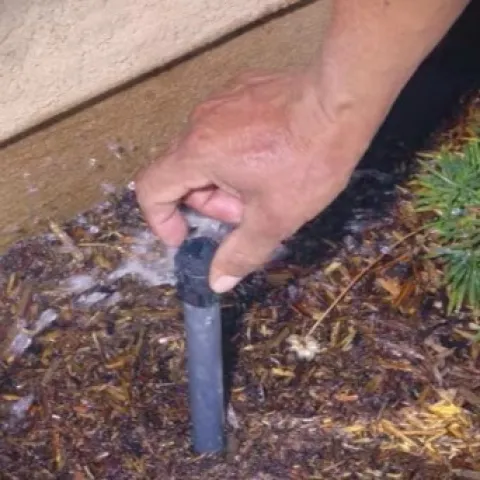
A hand turning the adjuster on an operating flood bubbler
The Backyard Gardener: Article

Let's Talk About Flood Bubblers

July 1, 2024
By Dustin W Blakey
I know you've seen them. Little caps on the end of vertical irrigation pipe that can be adjusted to control flow with a twist (or screwdriver). They are called flood bubblers and are used widely in the Eastern Sierra to deliver water to woody plants outside of a lawn sprinkler system.
View Article
ANR Contracts & Grants Updates: Article

CDFA - Proactive IPM Solutions Program

July 1, 2024
By Kendra T Rose
Dear Colleagues, California Department of Food and Agriculture's (CDFA) Office of Pesticide Consultation and Analysis (OPCA) is now accepting applications for the Proactive IPM Solutions Program.
View Article
UC Master Gardener Program Statewide Blog: Article

July Garden Tips - Summer Fun and Keeping Cool

July 1, 2024
By Barbra Braaten
As the summer sun shines brightly, July is a critical period for gardeners to nurture their plants, ensuring they thrive during the hottest part of the year. This month is a time of significant growth and harvest, where your diligent care can lead to a successful and bountiful garden.
View Article
Primary Image
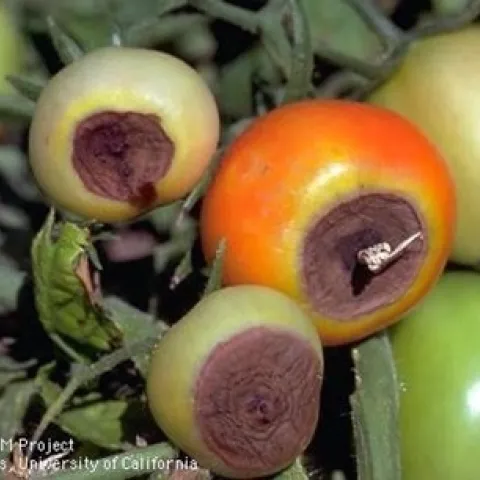
Photo of blossom end rot
HOrT COCO-UC Master Gardener Program of Contra Costa: Article

Blossom End Rot

July 1, 2024
By Help Desk Team
This post is a rerun from 2023. Have you noticed tomatoes that have round, water-soaked spots on the bottom? Blossom end rot (BER) is a frustrating problem that can be quite common in vegetable gardens, as it can affect tomatoes, peppers, and squash. You might notice it after a few very hot days.
View Article
Primary Image
Deep water citrus and other trees at least a day before a forecast heat spike. (Photo: Jeannette Warnert)
Fresno Gardening Green: Article

When there are summer heat spikes, trees need more water

July 1, 2024
Here in the Central Valley, summer heat spikes are becoming more frequent and lasting longer with extremely high daytime and nighttime temperatures. Regular deep, slow irrigation of mature landscape and crop-producing trees is key to keeping them in good health during heat spikes.
View Article
Article

Thyme to Garden: Spring/Summer Issue

June 30, 2024
Contents: Home Composting With Worms Simply Beautiful Lavender Gardening for Awe and Wonder by Pamela White Have you ever seen those full black garbage cans tipped into trucks in your neighborhood? They haul our food waste to the landfill along with other discards we have tossed aside.
View Article
Primary Image
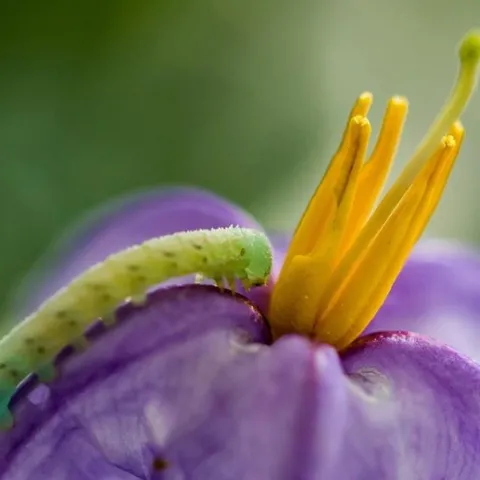
Due to plant defense mechanisms, the flowers of silverleaf nightshade (Solanum elaeagnifolium) are consumed less by natural predators like this tobacco hornworm (Maduca sexta) if the plant is frequently mowed. (photo credit: Alejandro Vasquez)
UC Weed Science (weed control, management, ecology, and minutia): Article

Frequent mowing puts poisonous weed into survival mode

June 30, 2024
By Gale Perez
FAYETTEVILLE, Ark. A study of the effects of mowing on a common weed has found that what doesn't kill you can make you stronger. A study published in Nature's Scientific Reports has found that frequent mowing of Solanum elaeagnifolium may help create a superweed.
View Article
Primary Image
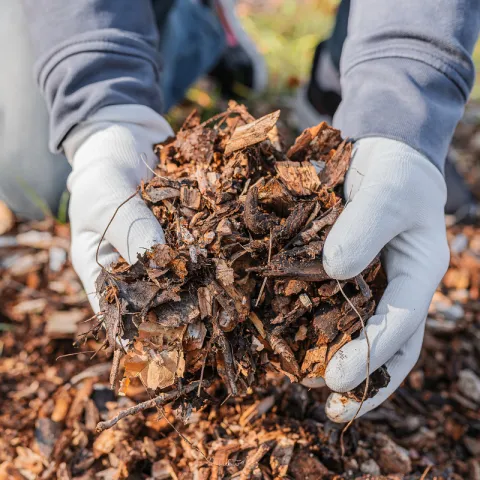
Photo courtesy of Larisa Stefanuyk
UC Master Gardener Program of Contra Costa County: Article

The Magic of Mulch

June 29, 2024
by Lori Palmquist What if I told you that mulch could cut your water use by at least a third, provide abundant soil biodiversity, making your landscape thrive like you could never imagine, AND contribute to the reversal of climate change?
View Article
Primary Image
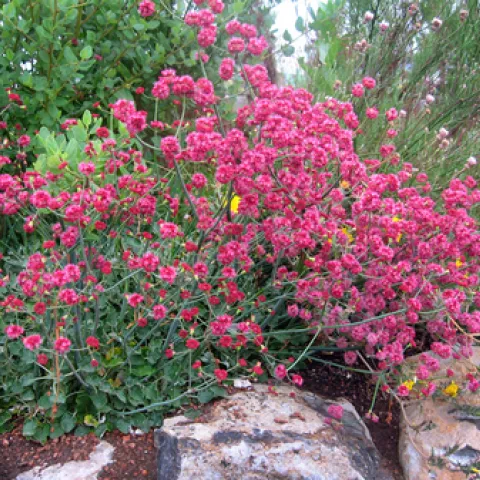
Rosy buckwheat (Eriogonum grande var. rubescens). Photo courtesy of Annie's Annuals and Perennials.
UC Master Gardener Program of Contra Costa County: Article

Native Plants for Summer Bloom

June 29, 2024
by Robin Mitchell In most of California, because of its Mediterranean climate, the state receives rain in the late fall, winter, and spring, with generally no rain falling in the summer. This means that most California native plants have adapted to being dormant in the summer.
View Article