UC ANR is committed to providing an accessible and inclusive web experience for all users. If you encounter an accessibility barrier or need content in an alternative or remediated accessible format, please contact anraccessibility@ucanr.edu.
I never understood why some people hug trees. Until today. As I stood on the lockdown side of my kitchen peering through dirty window panes at a drab flowerbed, I recognized something was missing in my spirit that closet cleaning and Zoom meetings can't reach.
Biological invasions are one of the three main causes for biodiversity loss globally, together with urbanization and climate change. Not unlike animals and plants, microbes can become invasive in non-native ecosystems.
Citrus trees can be planted any time after the danger of frost has passed, which in our area is usually around mid-to-late March. It's a good idea to plant citrus early try to have your trees in the ground by May because a sudden hot spell may damage trees that are not well established.
David Haviland, UCCE Farm Advisor discussed integrated pest management for five different species of mites that cause economic damage to citrus, including proper identification, monitoring, and tools for management. Biological control was also be discussed, including the use of predatory mites.
by Julie Pramuk February 10 It's a bright sunny morning in our Alta Heights garden in Napa. Sweet peas planted in early November are reaching for the fence. Garlic planted in front of the sweet peas are shooting up.
From the Weed Science Society of America (WSSA) HEADLINES March 17, 2021 * * * * * * * * * * * WESTMINSTER, Colorado March 17, 2021 Weed control in vegetables, flowers and herbs can be incredibly labor intensive, experts with the Weed Science Society of America (WSSA) say.
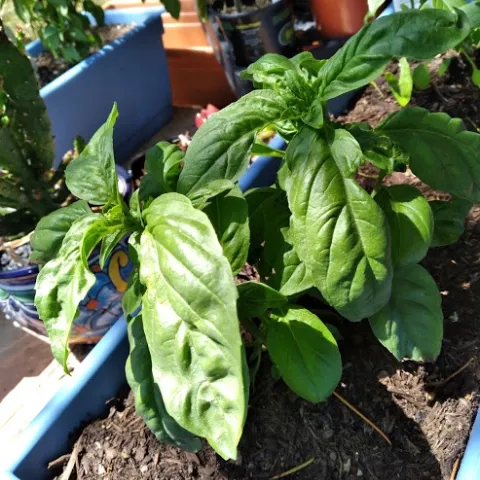
The perennials: rosemary; thyme; mints; oregano; sage, and annuals: basil; parsley; chives; dill & more, all can be preserved for year-round use as seasonings or for tea. Herbs should be harvested before they blossom, picked soon after the morning dew has dried for best quality.
A "Natural History Note" From UC California Naturalist's lead scientist, Dr. Cameron Barrows. In nature, species are constantly striving to be better species.