Project Board Help

Test PB Collection: FTE

Test dynamic

Primary Image
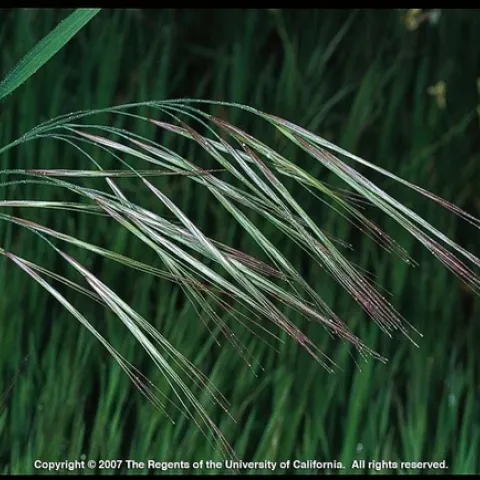
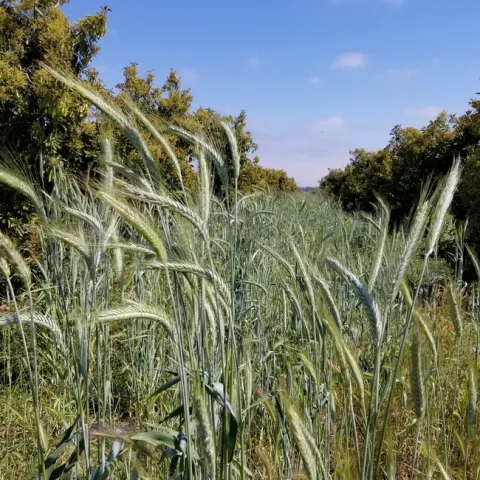
Non-native Bromus species, such as ripgut brome, grow fast and dry out quickly, becoming highly flammable.
UC Weed Science (weed control, management, ecology, and minutia): Article

California’s bad romance with Bromus fuels wildfire

July 24, 2019
By Pamela S Kan-Rice
When wildfires burn in California, people often call them forest fires or brushfires, but the odds are high that an invasive weed is an unrecognized fuels component, says a UC Agriculture and Natural Resources scientist.
View Article
Kern County: Article

Green Scene mid-July 2019

July 23, 2019
2019 Horticulture Classes - Beginning August Horticultural Study Tour XI: May 2020 - Wales, Edinburgh, Northern Scotland Return to Chernobyl and more...
View Article
Primary Image
Keynote speaker Lynn Dicks (far left) of the School of Biological Sciences, University of East Anglia, United Kingdom, with conference co-chair Neal Williams, pollination ecologist, UC Davis Department of Entomology and Nematology, and speaker Rachel Vannette of the UC Davis Department of Entomology and Nematology, who addressed the crowd on her hummingbird research. (Photo by Kathy Keatley Garvey)
Bug Squad: Article

Lynn Dicks: The Importance of People in Pollinator Conservation

July 23, 2019
By Kathy Keatley Garvey
The global decline of pollinators ought to concern everybody, and everybody ought to get involved, said bee conservation researcher Lynn Dicks of the School of Biological Sciences, University of East Anglia, United Kingdom, in her keynote address at the fourth International Pollinator Conference, he...
View Article
Primary Image
photos by Karen Metz
Under the Solano Sun: Article

Refurbishing

July 23, 2019
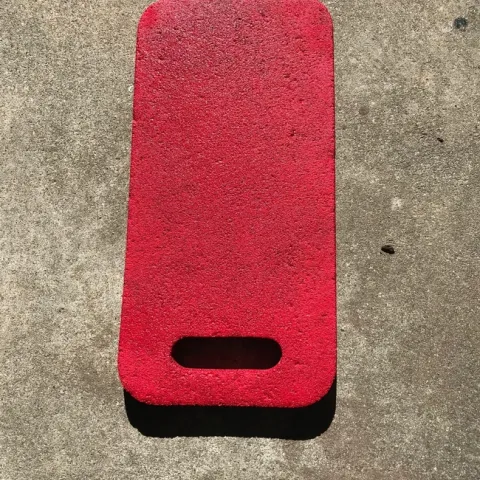
Garden kneelers have made weeding, planting, and even pruning a much more comfortable experience. Whether you have arthritis or are just dealing with an uneven surface like bark or gravel, that extra layer of cushioning can make all the difference.
View Article
Primary Image
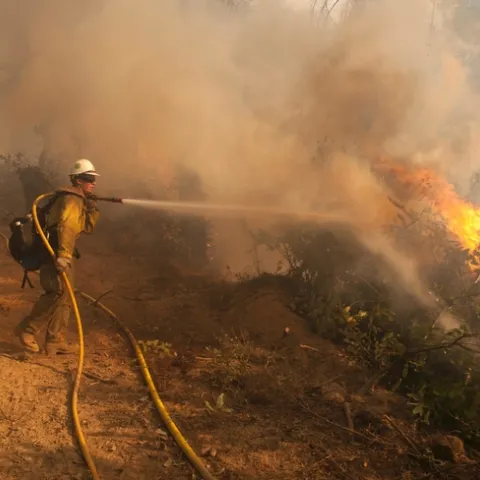
Defensible space makes fighting fire easier and safer for firefighters.
ANR News Blog: Article

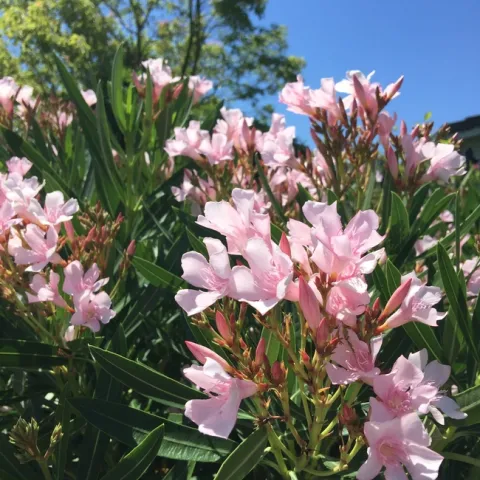
Plant spacing and maintenance are critical in the defensible landscape

July 23, 2019
By Jeannette Warnert
All vegetation can burn, but some plant species may pose less risk than others in a wildfire-prone community, reported Noah Bemer in the Calaveras Enterprise. In the first five feet around buildings, stone walls, rocks, patios and gravel mulch can enhance fire safety.
View Article