UC ANR is committed to providing an accessible and inclusive web experience for all users. If you encounter an accessibility barrier or need content in an alternative or remediated accessible format, please contact anraccessibility@ucanr.edu.
Gourd workshop Saturday September 22, 10am to 1pm Colusa County Fairgrounds, Community Building $15 fee, pay on-line or at the door. See flyer for details.
Entries are now open! The California State 4-H Office will be hosting the 2018 California State Livestock Quiz Bowl as part of the Grand National Livestock Exposition, Horse Show and Rodeo on October 20, 2018. This contest is open to teams from both FFA and 4-H.
Northern California Walnut Tree By Jutta Thoerner UCCE Master Gardener Juglans hindsii Size of Tree: 3060 feet Bloom description and season: April to May, green catkins Pruning needs: remove dead wood as needed.
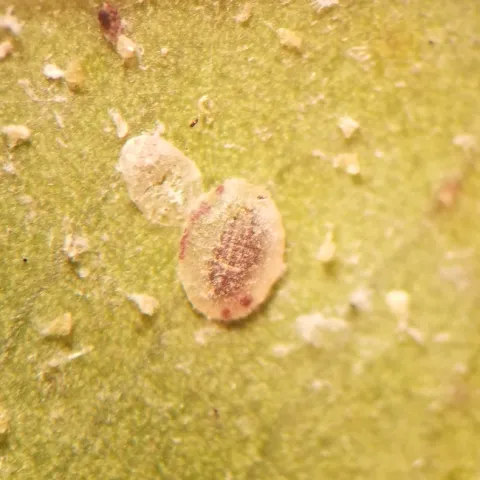
Ficus Whitefly In Downtown SLO - Part 2 Dr. David Headrick went back up in the bucket this week to retrieve the 6 cages he put in place on July 27. Here's what transpired I went back up in the bucket to cut and remove the caged limbs.
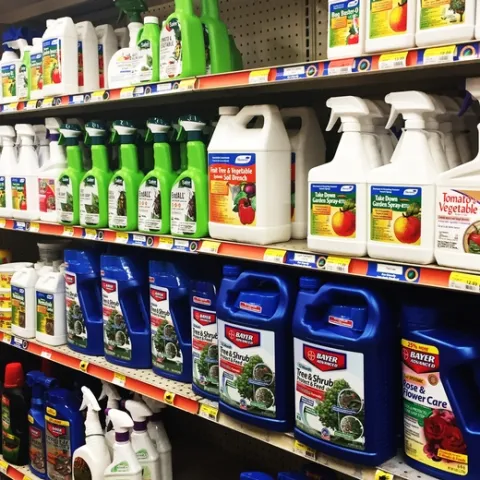
When you hear the term pesticide, what comes to mind? Do you understand what pesticides are and, more importantly, how to use them correctly? A pesticide is any material (natural or synthetic) used to control, prevent, kill, suppress, or repel pests.
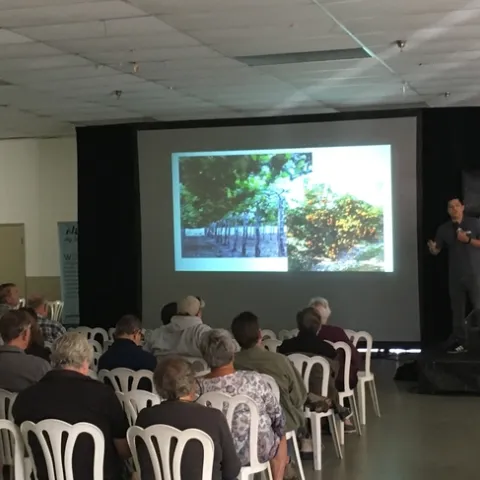
One good idea from a meeting can make all the difference of whether that was a meeting worth going to or not. One idea, that's all it takes to make a big difference back at the ranch. A lot of times the good idea comes from the people you meet there.
Tall, dreadlocked Josh Scheper knew he was out of place as he surveyed the scene at a Santa Ana, Calif., parking lot on a Sunday morning this past April. And the 46-year-old loved it. Hundreds of people waited in line at stalls for vegan food, but few people looked like the Los Angeles resident.
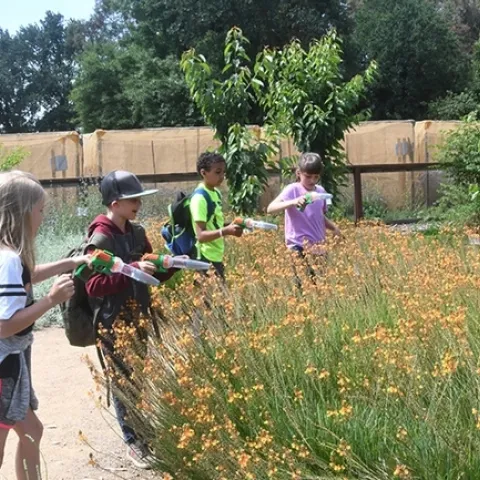
Want to learn more about bees, and what to plant to attract them to your garden? The Hagen-Dazs Honey Bee Haven, a half-acre bee garden operated by the UC Davis Department of Entomology and Nematology, will host an open house, the last one of 2018, from 11 a.m. to 2 p.m. on Saturday, Sept. 22.
Please see below link to access "How To Use Weekly Crop Water Use (ET) Reports to Assist Farm Water Management" How To Use Weekly Crop Water Use Reports Please see below link to access "Weekly ET Report 09-17-18" ET Report 09-17-2018 Please see disclaimer link below: University of California Divisio...
*Please note, we are sending another issue of the Green Scene September 2018 to reflect correction to the departure date of the 2019 Horticultural Study Tour to Thailand. We apologize for any inconvenience and please contact the office if any questions.
![Northern California Black Walnut, leaves and Nut 001[17260]](/sites/default/files/styles/large_square/public/2018-09/blog55374.jpg.webp?h=c1cdbc5c&itok=qKPN6cwr)