UC ANR is committed to providing an accessible and inclusive web experience for all users. If you encounter an accessibility barrier on this or need content in an alternative or remediated accessible format, please contact anraccessibility@ucanr.edu.
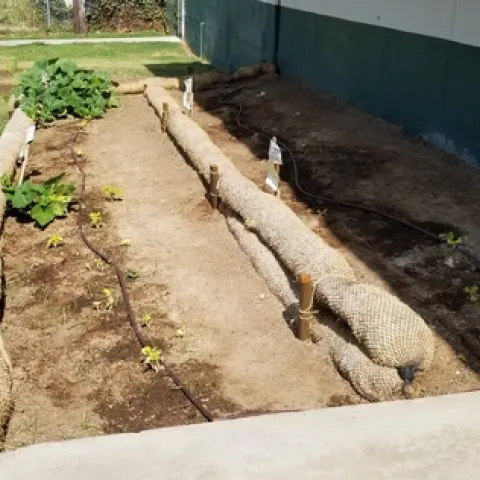
It had been a good day in the garden. I had gotten to spend six hours working in the back yard. Digging up some of the garlic chives in the raised bed had allowed me to plant a tomatillo and African blue basil.
Avocados, now riding a tide of popularity appearing on toast in cookbooks and trendy restaurant menus, came late to commercial agriculture, reported Cynthia Graber and Nicola Twilley in Gastropod, a podcast that looks at food through the lens of science and history.
With warming weather come contemplations of bagrada bug. This is the time in the past when we start to find bagrada bug populations on flourishing shortpod mustard plants or patches of pepperweed in the Salinas Valley.
Jennifer Sowerwine helps restore culturally relevant food systems to immigrant and Native American populations The Karuk Tribe once lived on more than a million acres in remote Northern California.
It's finally Thursday! All week I've been off on my days, for some reason thinking it was Thursday each day. I chalk it up to trying out more powerful allergy meds.
At the end of fall last year, I decided to redo the planter boxes on the outside of my deck. They had a variety of sage and salvia as plantings within. The plants were old and not looking well, so I decided it was a chance to plant something new.
The Farm Service Agency offices in Klamath, Modoc and Siskiyou counties are planning an informational meeting on Tuesday May 15. The meeting will begin at 10 a.m. at the Merrill Civic Center 365 Front Street, Merrill Oregon.
The Citrus Research and Development Foundation (CRDF), a $124 million state citrus-industry initiative, has invested nearly 90 percent of its funds in HLB research.