UC ANR is committed to providing an accessible and inclusive web experience for all users. If you encounter an accessibility barrier or need content in an alternative or remediated accessible format, please contact anraccessibility@ucanr.edu.
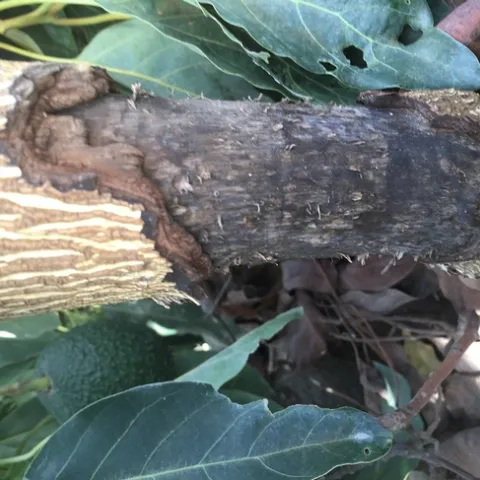
redcThe hills have been dry for a long time, and the long dry fall is bringing animals into the avocado groves that normally stay out in the hills. They want the green cambium of trees and the moisture it provides. And especially rodents will have a field day in the well-maintained orchards.
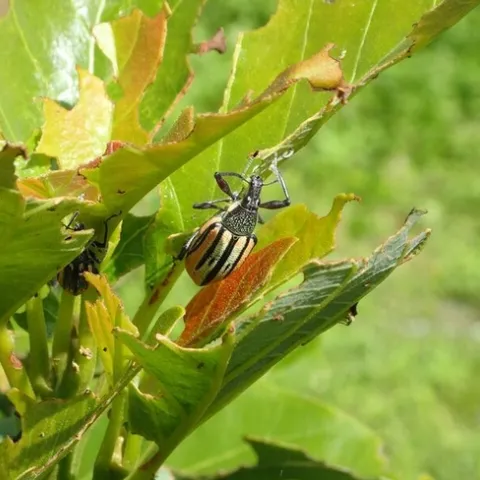
On a recent trip, we saw Diaprepes Root Weevil damage on avocado. It was feeding on the leaves, tattering them. The problem with this pest is that it also feeds on the roots, weakening the tree and opening it up to disease, such as Phytophthora.
How can we help honey bees through research? That's the topic that Francis Ratnieks, professor of apiculture, University of Sussex, United Kingdom, will cover when he presents a seminar on Wednesday, Dec. 7 at the University of California, Davis.
So you're in a quandary. You have no idea what to get the nature lovers/insect enthusiasts on your holiday gift-giving list. It's buggin' ya. No worries. The UC Davis Entomology Graduate Students' Association (EGSA) to the rescue.
Six-month old strawberry field. Under the soil is a complex and dynamic world of moisture, pH, salinity, nutrients, microorganisms, and plant roots along with pests, pathogens, weeds and more.
Jazz is music to his ears, but so are the bees. He's been beekeeping and playing the clarinet for 69 years. Meet Norman Gary of Citrus Heights, UC Davis emeritus professor of entomology who retired in 1994 after a 32-year academic career.
Talk about not getting the memo. We walked into our little pollinator garden in Vacaville, Calif., this afternoon to cut a few tropical milkweed stems to feed the indoor caterpillars, and there, hidden beneath a leaf, was a tiny caterpillar.
What a Thanksgiving surprise! No, the stuffed turkey didn't slip out of the oven and fall on the floor. Nor did the pumpkin pie turn another shade of orange. Some unexpected guests arrived--four to be exact.