UC ANR is committed to providing an accessible and inclusive web experience for all users. If you encounter an accessibility barrier or need content in an alternative or remediated accessible format, please contact anraccessibility@ucanr.edu.
There has been more than the usual number of questions about what I am calling "bio-based" herbicides recently. Arguably, this is coming from news that some school districts and cities specifically calling out the use of glyphosate on the properties they manage.
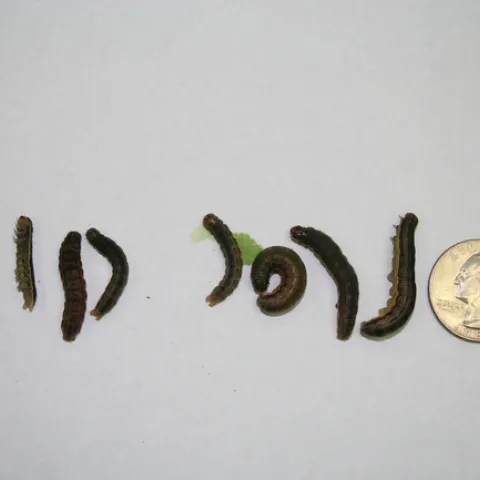
Before the weekend I got reports of two fields where defoliation was over threshold and worms were big. As predicted, we are now seeing armyworms at fifth and sixth instar. These are the worms that will cause noticeable defoliation. The timing of infestation is similar to last year's.
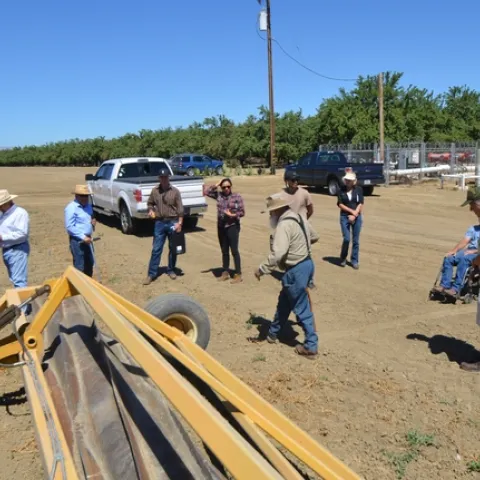
The last in a series of five farm visits highlighting soil health goals and the variety of ways in which these goals are being realized at farms throughout the Central Valley took place at Sano Farms in Firebaugh, CA on Friday, June 24th with about forty attendees.
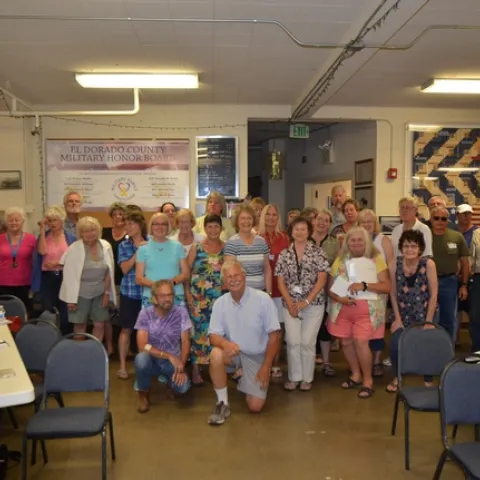
About 80 Master Gardeners of the UCCE group in El Dorado County came together to learn about the principles and practices of conservation agriculture in a lively discussion with CASI Workgroup Chair, Jeff Mitchell, on June 23rd at the group's monthly meeting in Placerville.
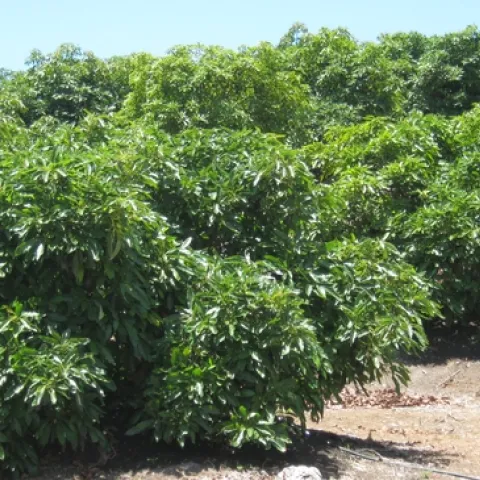
Here is a system of avocado pruning that seems to be working for the grower. He has been keeping his 12 year old Hass' planted on 16 x 16 to 8 feet high by pruning out center limbs each year.
Ruth Charlotte Risdon Storer (1888-1986) would have been proud. The garden that bears her name in the UC Davis Arboretum is Nature at its Best, especially this time of year. It's better known as the Storer Garden, but a plaque spells out the entire name, "Dr. Ruth Risdon Storer Garden.
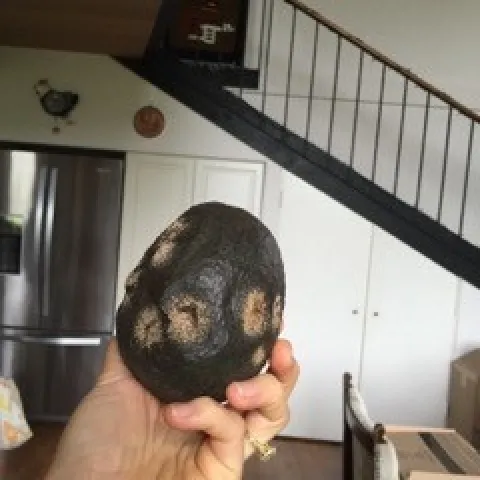
Get ready for more rotting avocado fruit if you have leaf blight showing up in your tree canopy. The fungal spores (one of the Botryosphaerias we once lumped as Dothiorella) that create the infection spread in an irregular pattern over the leaf and down the stem (then called stem blight).
If any insect should be the "cover girl" during National Pollinator Week, it ought to be the honey bee (Apis mellifera) Specifically, it should be the worker bee, although the queen bee and drones (males) have their place, too.
Move over, monarchs. Bees--and other pollinators--gravitate toward the enticing aroma of the milkweed, too. The milkweed is widely known as the larval host plant of the monarch butterflies--and a nectar source for the adults--but they have to share. Bee-cause.
From the Topics in Subtropics blog June 15, 2016 Researchers have now confirmed that six glyphosate-resistant weed species have been identified in California. Four have been known to exist for some time; they are horseweed (marestail, Conyza spp.