Project Board Help

Test PB Collection: FTE

Test dynamic

Primary Image
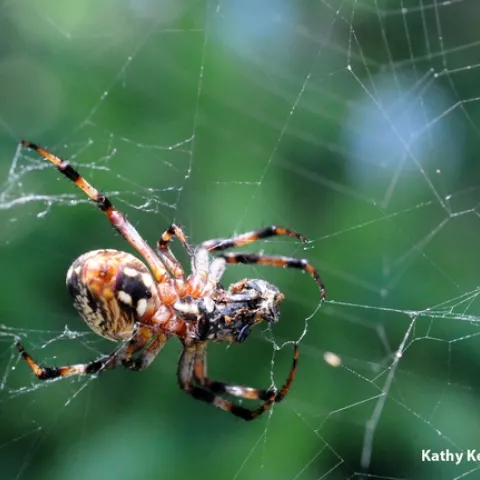
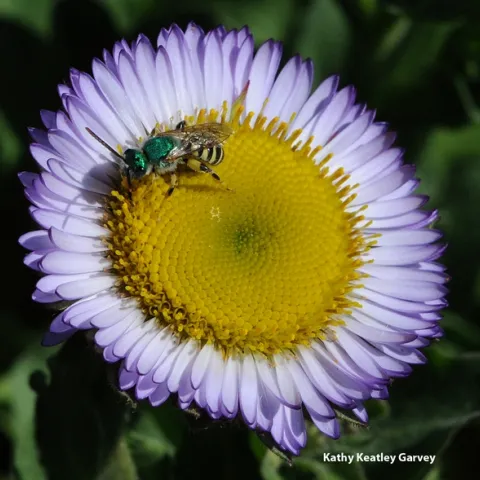
Bug banner at Briggs beckons. (Photo by Kathy Keatley Garvey)
Bug Squad: Article

Is There a Doctor in the House?

April 20, 2012
By Kathy Keatley Garvey
Is there a doctor in the house? If you head over to the UC Davis Department of Entomology's displays at Briggs Hall and at the Bohart Museum of Entomology on Saturday, April 21 during the campuswide UC Davis Picnic Day, you'll find them. Bug doctors. Lots of them. They'll be there from 10 a.m.
View Article
Primary Image
Malay Lacewing butterfly (Cethosia hypsea). Photographed by Richard Tenaza and identified by professor/butterfly expert Arthur Shapiro of UC Davis.
Bug Squad: Article

The Sounds of a Rainforest

April 19, 2012
By Kathy Keatley Garvey
When you listen to a rainforest, what do you hear? What does it tell you? Those who attend the free public event, Mentawai: Listening to the Rainforest, on Sunday, April 22 on the UC Davis campus will find out.
View Article
Primary Image
UC Davis honey ready to be extracted last fall. (Photo by Kathy Keatley Garvey)

Show Me the Honey! (And Taste It, Too!)

April 18, 2012
By Kathy Keatley Garvey
One of the six honey varieties that the UC Davis Department of Entomology will serve during the campuswide 98th annual UC Davis Picnic Day on Saturday, April 21 is...drum roll...cactus honey. Yes, you heard that right. Cactus honey.
View Article
Primary Image
Tea Shot Hole Borer (Euwallacea fornicatus). The pest is about the length of Lincoln’s nose on a penny. Photo by G. Arakelian.
Topics in Subtropics: Article

Fusarium dieback on California avocado trees

April 18, 2012
While the Asian citrus psyllid/HLB pest-disease complex has received a lot of press lately, another deadly pest-disease combination has been found in Los Angeles County. Tea Shot Hole Borer (Euwallacea fornicatus) is a vector for the Fusarium fungus. A native from Asia, this beetle is very small.
View Article
Primary Image
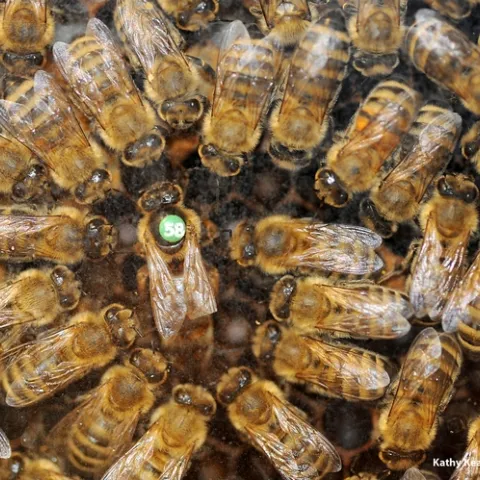
Honey bees ready to swarm at the Harry H. Laidlaw Jr. Honey Bee Research Facility at UC Davis. (Photo by Kathy Keatley Garvey)
Bug Squad: Article

Unhappy Ending

April 17, 2012
By Kathy Keatley Garvey
Bee swarms don't always have happy endings. Extension apiculturist Eric Mussen of the UC Davis Department of Entomology was quoted in a news story published today about a bee swarm on a Stockton ballfield.
View Article
Primary Image
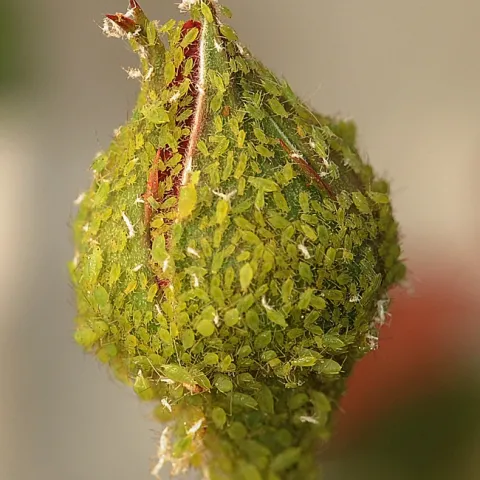
Pea aphids on a rose leaf. (Photo by Kathy Keatley Garvey)

Oh, Those Pestiferous Aphids!

April 16, 2012
By Kathy Keatley Garvey
By now, you're probably seen enough aphids to last you for the entire year. That's why we're looking forward to hearing Bryony Bonning speak on "Novel Toxin Delivery Strategies for Management of Pestiferous Aphids" at the next UC Davis Department of Entomology seminar, scheduled from 12:10 to 1 p.m.
View Article

Western Society of Weed Science news

April 16, 2012
By Brad Hanson
Weeders, I thought I'd make a quick post this morning to share some highlights from the Western Society of Weed Science. I've attached the Spring 2012 WSWS Newsletter that summarizes some of the things that happened at the 65 Annual WSWS meeting held in Reno NV last month.
View Article
Primary Image
Honey bee swarm on the Harry H. Laidlaw Jr. Honey Bee Facility grounds on Friday the 13th. (Photo by Kathy Keatley Garvey)
Bug Squad: Article

It Happened on Friday the 13th

April 13, 2012
By Kathy Keatley Garvey
It happened on Friday the 13th. It was the first swarm of the season at the Harry H. Laidlaw Jr. Honey Bee Research Facility on Bee Biology Road, University of California, Davis. The bees swirled, darkening the sky, and then swarmed from one of bee breeder-geneticist Susan Cobey's hives around 2 p.
View Article

Certified Weed Free Forage and Straw Available in California!

April 13, 2012
The most effective, economical, and ecologically sound method of managing invasive plants is to prevent their invasion in the first place. Resources can be spent most efficiently on proactive activities that focus on stopping the movement of plant seeds and other reproductive parts to new areas.
View Article