
You’ve already planted luscious tomatoes, probably purchased from our recent UC Marin Master Gardeners’ Tomato Market Sale. What other veggies should you plant to contribute to bountiful summer and fall harvests? Good choices are beans, cucumbers, peppers, summer squash, winter squash, and/or pumpkins. They are perfect to plant now, easy to grow, and thrive in our Marin climate.
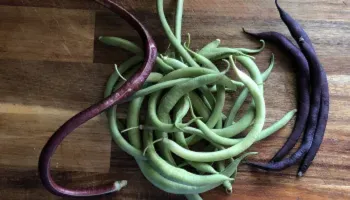
Beans are warm-season legumes native to Central or South America. Pole beans grow six to ten feet; bush beans grow two feet tall and wide. Plant now through the end of July in an area with at least four to six hours of sun a day. Beans prefer well-drained, sandy loam soil that has been amended with compost or other organic materials. Keep soil evenly moist, with consistent and adequate irrigation, preferably drip to keep leaves dry. Varieties that do well in Marin include Scarlet Runner, Romano, Blue Lake, and Kentucky Wonder.
Cucumbers are a warm-season crop from South Asia. Plant now through the end of June. Cucumbers prefer full sun, with six to eight hours a day. They don’t do well in foggy or windy locations. Consider trellising for straighter cucumbers and to save space. Cucumbers prefer organic, nitrogen-rich, and well-drained soil. Water regularly to keep the soil constantly moist, focusing on the base of the plant. Harvest cucumbers when they are about one to one and a half inches in diameter, six to seven inches long. Varieties for slicing include Dasher 11, Marketmore, Sweet Success, and Sweet Slice.
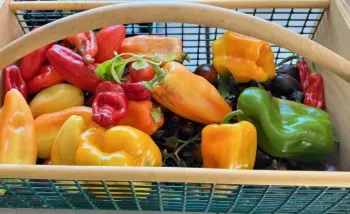
Photo: Jean Christofferson
Peppers are native perennials in Central and South America but are grown as annuals here. Plant now through the end of June in northern Marin, and through mid-June in southern Marin. Don’t plant where peppers, tomatoes, potatoes, or eggplants have been grown in the past three years (they share the same soil-borne diseases, like blight; rotating your crops helps prevent disease). Peppers prefer full sun. Before planting, amend the soil with a nitrogen-rich aged manure or compost. Peppers require moderate, even watering. Pick your peppers when they stop getting larger and cut the stems to avoid damaging the plant. Good varieties include California Wonder, Gypsy F1, Sweet Banana, and Minibell.
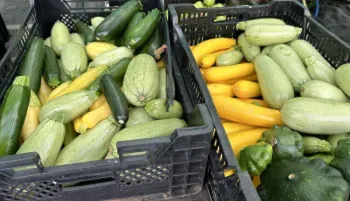
Photo: Jean Christofferson
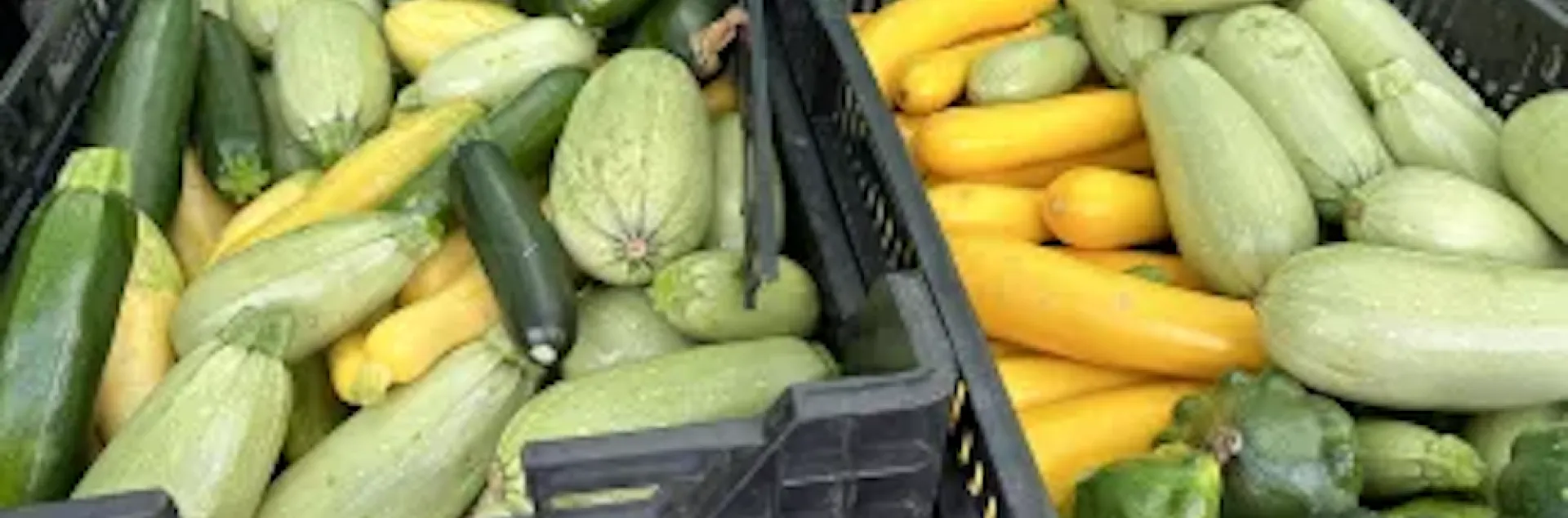
Summer squash, originating in the Americas, bears fruit until the weather cools in the fall. Depending on the variety, plant now until the end of July. Summer squash needs a minimum of six hours of full sun. They prefer well-drained soil rich in organic matter, so add plenty of compost before planting. Regular, even watering is key. Harvest when the skin is tender, and the seeds are small. Leaving the fruit on too long results in massive, tough squash and fewer fruits. Good varieties include Peter Pan Hybrid, Scallopini, Early White Bush, and Sundance.
Winter squash, also from the Americas, can be planted now until the middle of June in an area with at least six hours of sun a day, in well-drained soil, with consistent moisture. Leave winter squash on the vine until fully mature and cut to make a two-to-four-inch stem for longer storage life. Popular varieties include Butternut, Kabocha, Acorn, Delicata, and Spaghetti squash.
Pumpkins, originating in North America, are a winter squash that grows from a flower. They are a fruit, but usually prepared as a vegetable. Plant now through the end of June. Choose a sunny spot with at least six hours of full sun. Pumpkins prefer soil rich in organic matter, so add plenty of compost or composted manure before planting. They need lots of space and may be trellised. Even watering is key. In cooler microclimates, stop irrigation in mid-August to hasten ripening. Harvest pumpkins when the stems are no longer fleshy. Good varieties include Small Sugar, Howden, Connecticut Field Pumpkin, and Spirit.
Now is the perfect time to plant beans, cucumbers, peppers, summer squash, winter squash, and/or pumpkins to produce a bountiful harvest this summer and fall.
By Julie McMillan, April 25, 2026